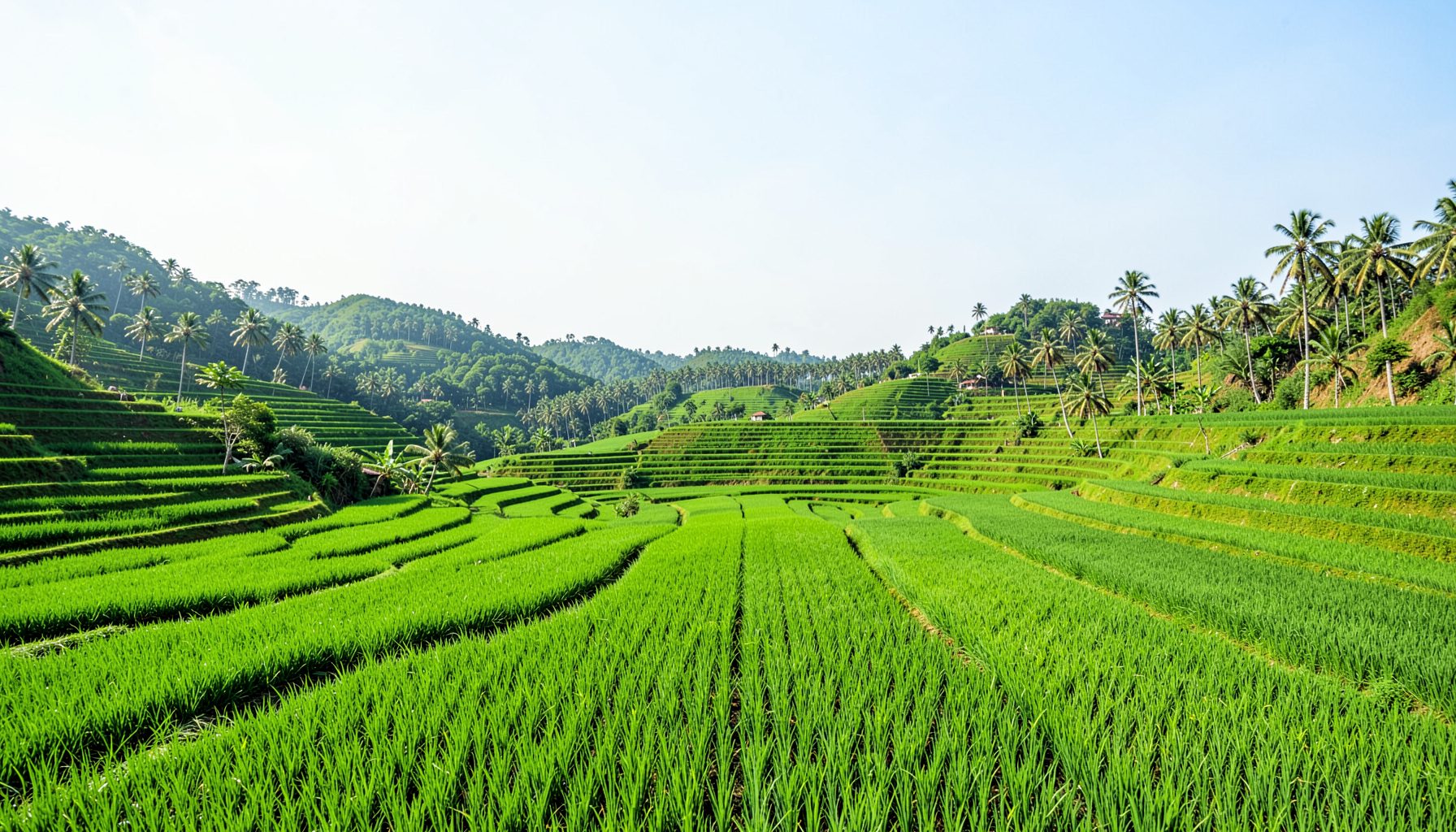
Growing Knowledge from the Ground Up
This section brings together articles on agricultural techniques, crop cultivation, and livestock farming relevant to village life across Indonesia. From root crops to fruit orchards, from honey bees to dairy goats — the topics reflect the diversity of rural farming practice.
Contributors have covered taro cultivation (talas bogor), dragon fruit, crystal guava, durian, and the tabulampot method for growing grapes in containers. Livestock topics include dairy goat breeds raised in Indonesia, Merino sheep farming, honey bee cultivation, and maggot farming for animal feed.
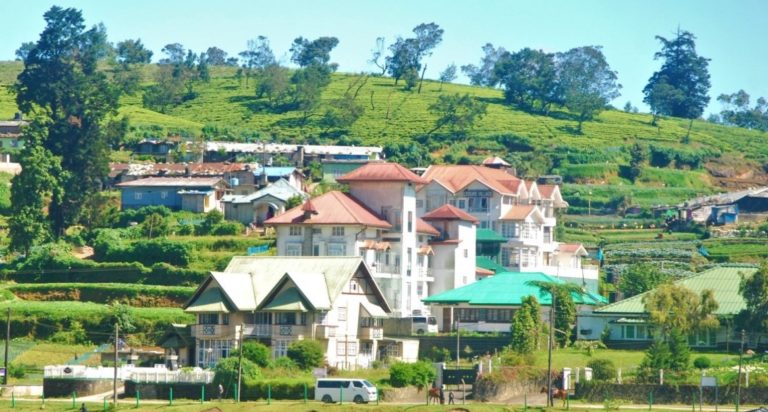
Fruits, Tubers & Field Crops

Taro Cultivation
Growing talas bogor and exploring processed food products made from taro tubers — a staple with strong market potential.

Dragon Fruit
Cultivation techniques for this striking tropical fruit, increasingly popular among smallholder farmers.
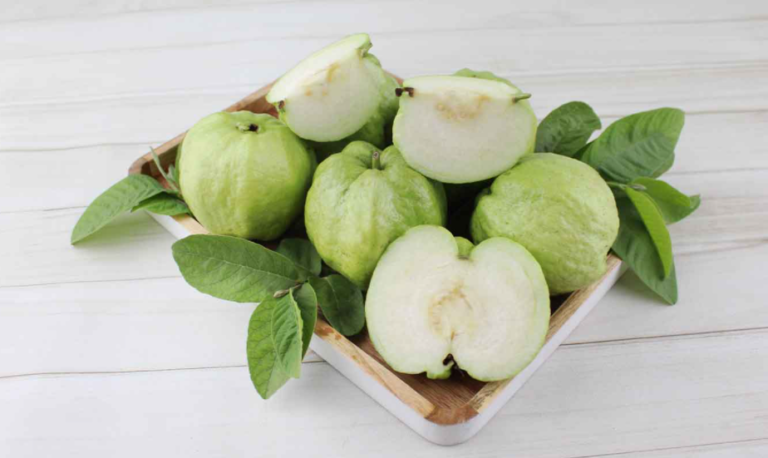
Crystal Guava
Insights into growing crystal guava, a variety prized for its crisp texture and commercial appeal.

Durian
Coverage of local durian-producing subdistricts and the economic potential of this beloved fruit.

Kopyor Coconut
The business potential of kelapa kopyor seedlings — a high-value coconut variety with strong demand.
Animals on the Farm

Dairy Goats in Indonesia
An overview of dairy goat breeds raised across Indonesia and their role in village economies.
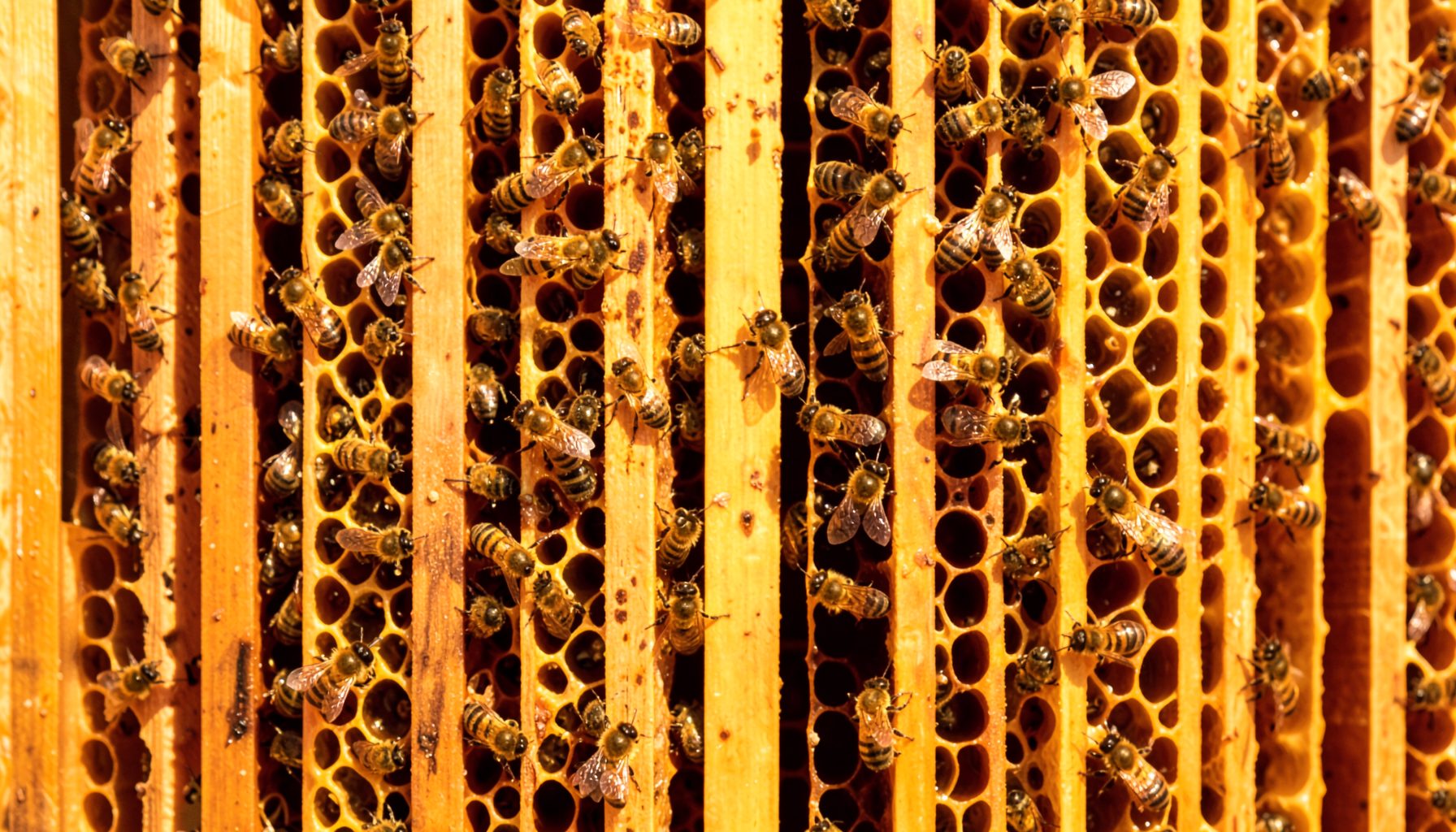
Honey Bee Cultivation
Types of honey-producing bees and practical guidance on starting beekeeping in rural settings.

Maggot Farming
Using black soldier fly larvae as a sustainable, low-cost animal feed solution for village farms.
Farming Methods & Approaches
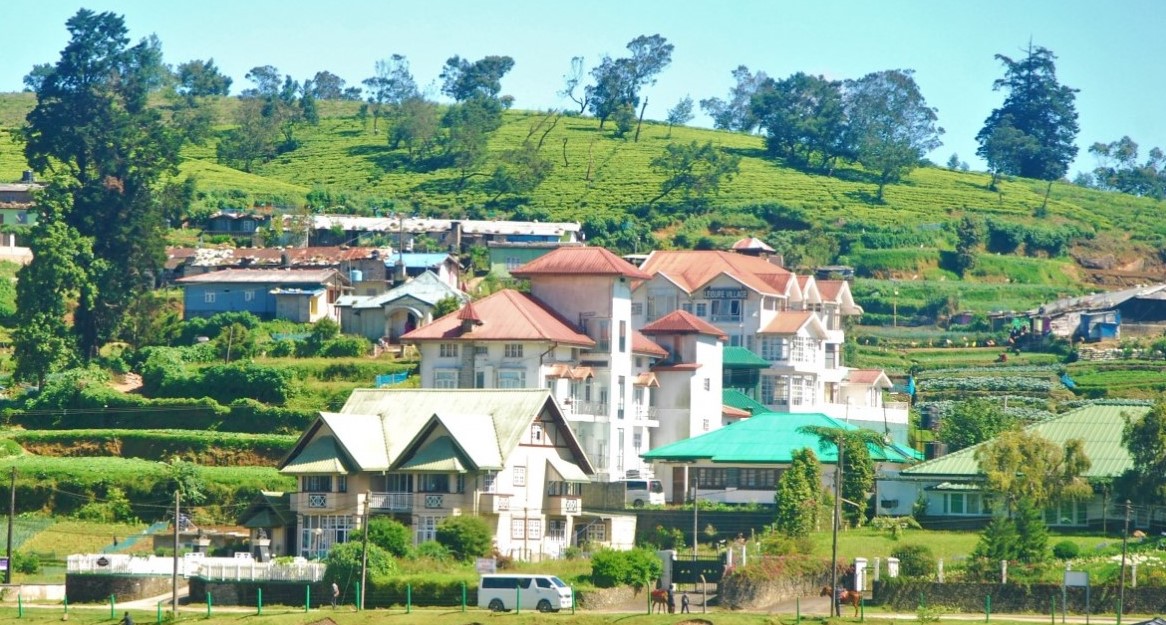
Tabulampot Grape Growing
Growing grapes in containers (tabulampot) — a space-saving technique suitable for village households with limited land.
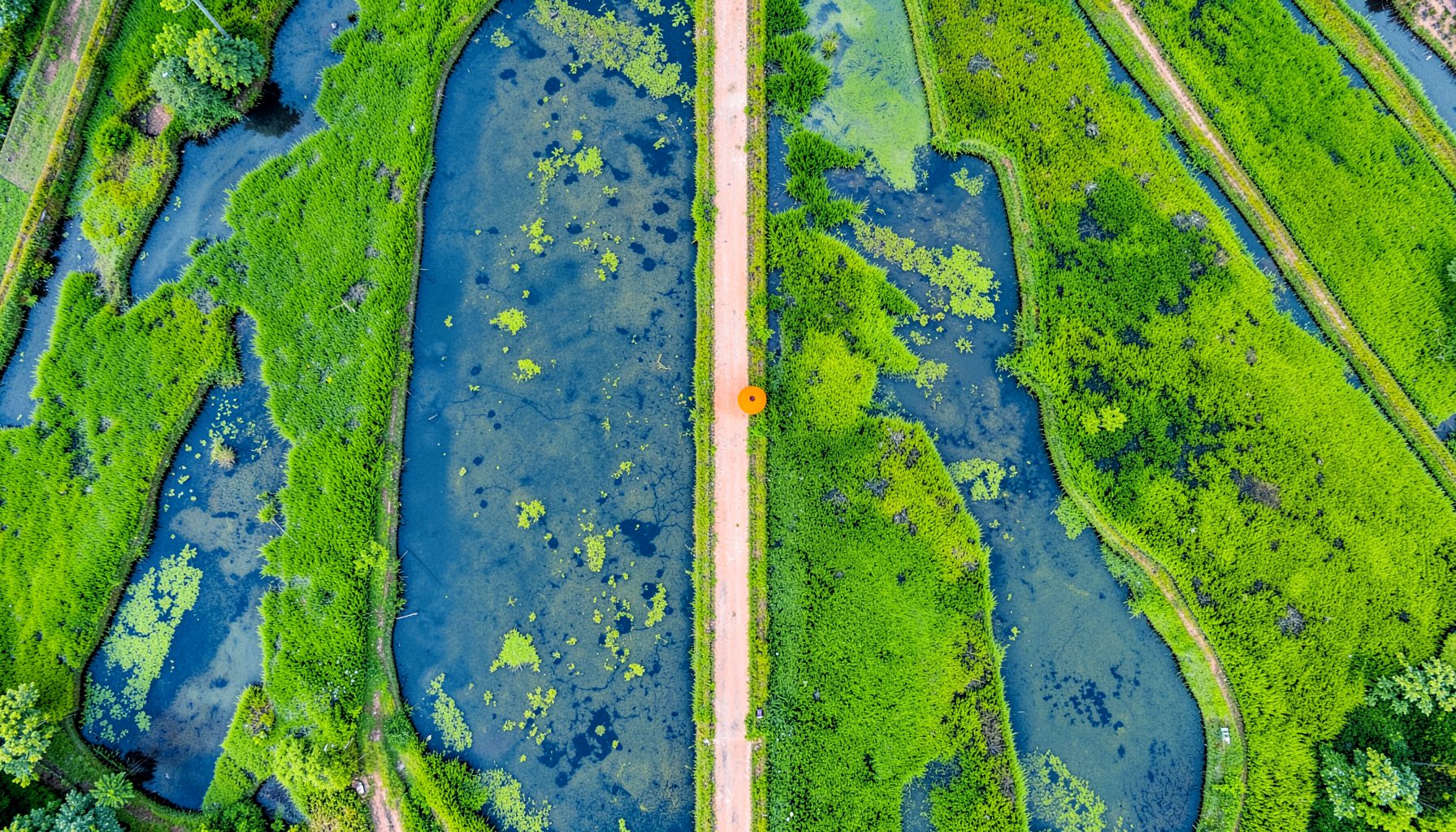
Mina Padi — Rice-Fish Farming
Integrating rice cultivation with fish farming for dual income from a single plot, as practiced in Desa Panembangan.
Explore Related Topics
Farming knowledge connects to business ideas, village news, and culinary traditions.
Indonesian village farming is as diverse as the archipelago itself, with each region cultivating crops suited to its soil, climate, and local traditions. Root crops like taro thrive in the wet lowlands, while fruit orchards producing dragon fruit, guava, and durian flourish in drier, sunnier areas. This variety means that practical knowledge must be shared community by community, adapted to local conditions rather than imposed from a single national template. Farmers who understand their own land, water availability, and seasonal rhythms can make far better decisions about what to plant and when, turning modest plots into reliable sources of food and income for their households.
Livestock husbandry forms a natural complement to crop farming in many Indonesian villages, with animals providing protein, manure for fertiliser, and an additional stream of income. Honey bees, dairy goats, and poultry each demand different levels of care and space, making them accessible to families with varying resources. A small apiary requires little land and can pollinate surrounding fruit trees, while a few goats can turn kitchen scraps and roadside grasses into milk and meat. Understanding the basics of animal health, feeding schedules, and breeding cycles helps rural families keep their herds productive without relying on costly external inputs.
Modern techniques such as tabulampot — the practice of growing fruit trees in pots or other containers — are opening new possibilities for farmers with limited land. This method allows grapes, citrus, and other fruits to be cultivated in tight spaces, on patios, or even on rooftops, making horticulture viable for households that might otherwise have no arable ground at all. Container planting also offers greater control over soil quality, watering, and pest management, which can lead to healthier plants and more consistent harvests. As land pressure increases across Java and beyond, such space-efficient approaches are becoming essential tools for sustainable rural livelihoods.
The knowledge shared across this section reflects a broader truth: that farming in Indonesia is a living practice, continuously shaped by experimentation, observation, and exchange between neighbours. When a farmer tries a new variety of taro or adopts a better way of protecting young fruit trees, that experience spreads through informal networks as readily as through formal training. By documenting these methods and making them accessible to rural communities, the goal is to strengthen local capacity from the ground up — helping farmers become more self-reliant, more resilient to changing conditions, and better equipped to feed their families while stewarding the land for generations to come.