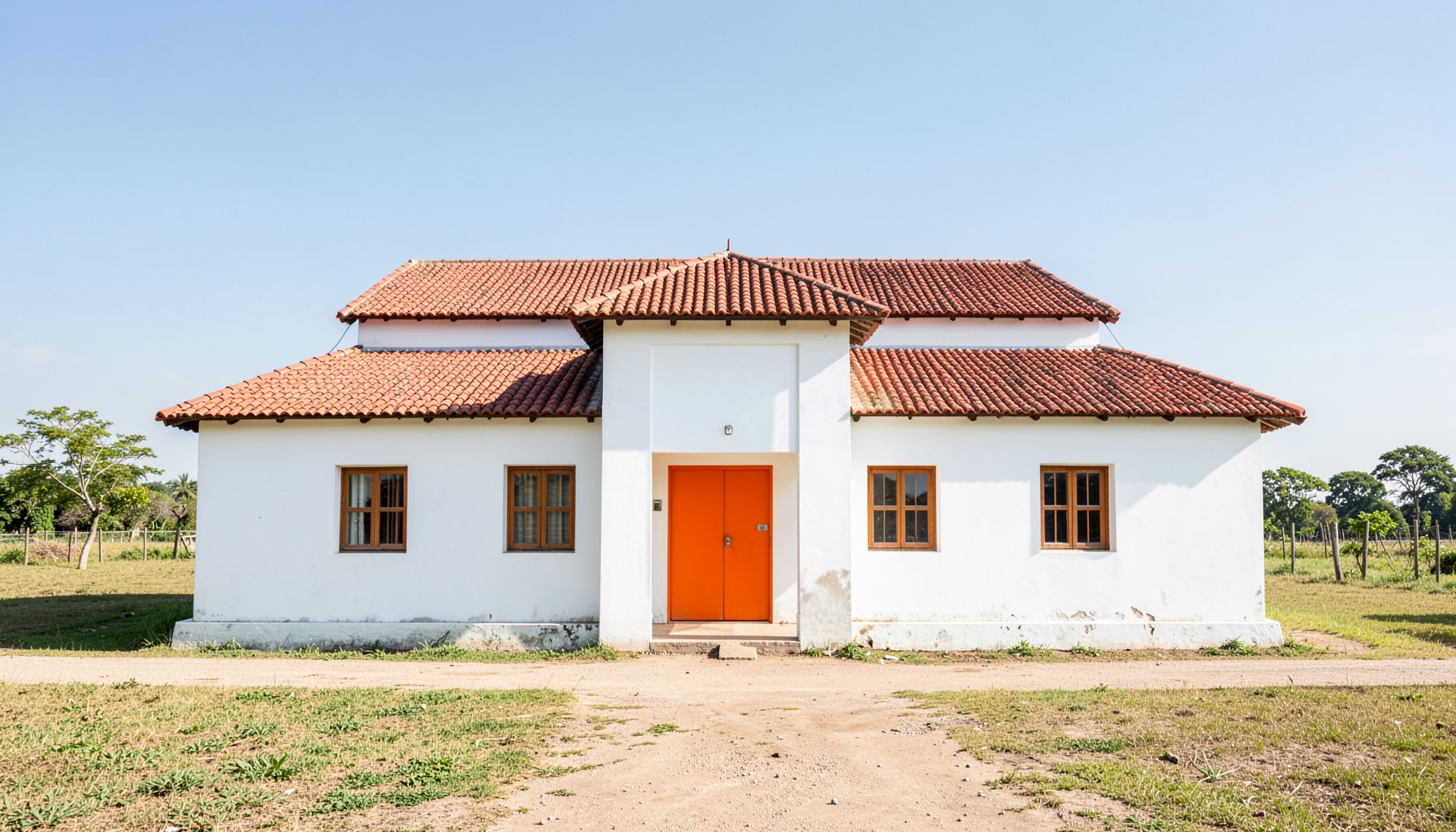
BUMDes — Village-Owned Enterprises
Badan Usaha Milik Desa (BUMDes) are village-owned enterprises that drive local economic growth. Learn what they are, how to establish one, and how they differ from cooperatives.
What Are BUMDes?
BUMDes — short for Badan Usaha Milik Desa — are business entities owned and managed by a village government and its community. They serve as engines for rural economic development, channeling local resources and potential into sustainable enterprises that benefit the entire village.
Unlike private businesses, BUMDes are collectively owned and their profits are reinvested into village development or distributed as village original income (PADes). They can operate across various sectors: agriculture, tourism, trade, services, and small-scale manufacturing.
How to Establish a BUMDes
Setting up a BUMDes requires careful planning and community consensus. The process typically involves:
- Village deliberation — the village head and community representatives discuss the proposed enterprise and agree on its formation.
- Village regulation — a formal village regulation (Peraturan Desa) is drafted to serve as the legal foundation.
- Organizational structure — a management team is appointed, including a director, secretary, and treasurer.
- Initial capital — funding comes from the village budget (APBDes), community contributions, or external grants.
- Business plan — the management team develops a clear plan outlining the type of business, target market, and financial projections.
BUMDes vs. Cooperatives: Key Differences
Although both are community-based economic institutions, BUMDes and cooperatives differ in important ways:
BUMDes
- Owned by the village government on behalf of the community
- Established through a village regulation
- Profits become village original income (PADes)
- Management appointed by the village head
- Serves the entire village population
Cooperative
- Owned by individual members who join voluntarily
- Established through a notarial deed and registered with the government
- Profits distributed to members as dividends
- Management elected by members
- Serves registered members only
Professional & Phased Management
For a BUMDes to succeed, professional management is essential. This means transparent bookkeeping, clear separation of duties, and regular reporting to the village community. A phased approach — starting small with one viable business unit before expanding — helps manage risk and build institutional capacity over time.
Village governance structure plays a supporting role: the village head provides oversight, while the Village Consultative Body (BPD) monitors performance and ensures accountability. When these roles function well, BUMDes can become a reliable source of village income and a model for rural economic self-sufficiency.
Explore Related Topics
Peluang Usaha
Discover income-generating ideas for rural communities — from taro cultivation and dried mushroom businesses to ecoprint crafting and bamboo crafts.
Berita Desa
Stay informed about village governance, social assistance programs like PKH, and stories of rural community development across Indonesia.
Farm
Learn about crop cultivation, livestock farming, honey bee cultivation, and maggot farming — practical knowledge for village entrepreneurs.