
FolderDesa brings together practical knowledge on farming, village-owned enterprises, culinary traditions, rural tourism, and small-business ideas — all rooted in the everyday life of Indonesian villages.
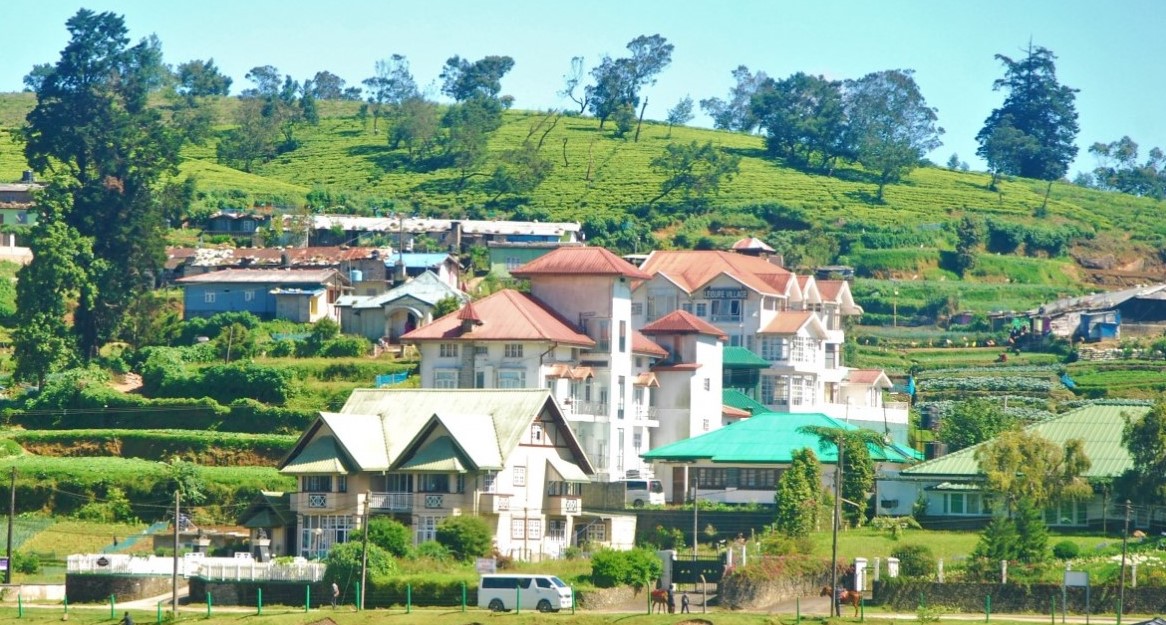
"From taro cultivation in Bogor to village tourism in Banyumas, every village has a story worth telling — and an opportunity worth sharing."
Seven areas of village knowledge
FolderDesa organizes its articles across these interconnected topics, each one grounded in real Indonesian village experience.
What you'll find on FolderDesa
Practical articles written by contributors who understand village life.
Agriculture & Cultivation
Articles on taro (talas bogor), dragon fruit, crystal guava, durian, oyster mushrooms, and tabulampot grapes — plus livestock such as dairy goats and Merino sheep.
Village-Owned Enterprises
Guides on establishing BUMDes, the differences from cooperatives, and why professional phased management matters for village economic growth.
Village Tourism
Coverage of destinations like Desa Karangkemiri in Banyumas, where outbound activities and a swimming pool helped tourism contribute Rp 50 million to village income in 2021.
Culinary Traditions
Indonesian village foods, Sundanese heritage dishes, spiced drinks, infused waters, seafood street-food ideas, and home-industry snack production.
Business Opportunities
From dried wood ear mushrooms and kopyor coconut seedlings to ecoprint crafting, bamboo crafts, and mina padi integrated rice-fish farming.
Village News & Community
Reports on social assistance programs like PKH, village governance structures, and practical tips such as safe homecoming travel during mudik season.
Planning A Village Waterfall Trail For Hiking Tourists
A waterfall trail can become a valuable village attraction when it is planned as a complete visitor experience rather than a path to a scenic photograph. Tourists need a route that feels safe, understandable, and worth the time required to reach it. Residents need an enterprise that protects water, forests, farmland, and customary access.
For an Indonesian village, the project may connect several local opportunities: guiding, parking, food stalls, homestays, transport, handicrafts, and a village-owned enterprise (BUMDes). The waterfall itself is only one part of the offer. The quality of management will determine whether tourism creates regular income or brings congestion and environmental damage.
Australian visitors often compare a rural Indonesian walk with experiences near Sydney, Melbourne, Cairns, or the Blue Mountains. They may be comfortable with long walks, but they expect clear trail grades, visible safety information, reliable prices, and sensible emergency arrangements. Everyday habits such as applying sunscreen, carrying a reusable water bottle, and checking a weather app should be supported by the destination.
The strongest plans begin with local knowledge. Farmers, youth groups, customary leaders, guides, and village officials can identify slippery ground, flash-flood channels, sacred places, seasonal water changes, and existing footpaths. Their involvement gives the trail a stronger social foundation and helps ensure that income remains in the community.
Read The Landscape Before Building
Start with a walking survey during both dry and wet conditions. Record the distance, elevation, steep sections, stream crossings, rest points, mobile signal, shade, toilets, and areas vulnerable to erosion. A route that appears easy in the dry season may become dangerous after heavy rain, while a quiet pool may turn into a fast-flowing channel.
Map land ownership and access rights before installing anything. The route may cross village land, private farms, forest areas, or land managed under conservation rules. Consult the relevant district agencies about permits, environmental requirements, water protection, construction limits, and insurance. A simple written agreement can prevent future disputes over ticket income and maintenance responsibilities.
Avoid treating every attractive viewpoint as a visitor zone. Keep a buffer around the waterfall pool and streambanks, protect tree roots, and direct foot traffic away from unstable slopes. Basic drainage, stone steps, and raised sections should be designed to manage rain rather than merely make the trail look attractive.
Design A Safe And Memorable Route
Give the hike a clear identity. A short family route, a moderate forest walk, and a longer ridge-and-waterfall route can serve different abilities without forcing every visitor onto one path. Use distance, estimated walking time, elevation, and difficulty labels that are honest. Australian bushwalkers are familiar with grading systems, so a similar explanation can reduce confusion.
Wayfinding should work without constant phone access. Place signs at the entrance, junctions, stream crossings, viewpoint areas, and return routes. Use simple Indonesian and English, with symbols for toilets, slippery surfaces, restricted swimming, emergency points, and rubbish rules. Paint marks or small trail posts can guide visitors while keeping the landscape natural.
Safety is part of hospitality. Provide a registration point, guide contact number, first-aid kit, drinking-water advice, and a procedure for missing or injured walkers. During intense rainfall, close the route rather than relying on warnings alone. Handrails should be installed only where they genuinely reduce risk, and they need regular inspection for rot, looseness, and sharp edges.
Build A Viable Village Business
A BUMDes can coordinate tickets, guides, parking, cleaning, equipment rental, and partnerships with homestays. However, the financial model should be visible to the community. Set aside a defined share for trail repairs, conservation, emergency equipment, and village facilities. Publish simple monthly or quarterly figures so residents can see where visitor payments go.
Calculate the cost per visitor before setting an entrance fee. Include staff wages, sign replacement, toilets, waste collection, insurance, training, transport, and seasonal closures. A low price may attract visitors but leave the village unable to maintain the route. Bundled packages can create better value: a guided hike, local breakfast, transport from the nearest town, and a meal after the walk.
Local food can make the visit more memorable and spread spending beyond the trailhead. A stall might serve rice, bananas, coffee, or a regional speciality prepared under good hygiene practices. Visitors who want to understand how food connects with village identity can also explore this account of cooking rendang, then experience local dishes directly from village cooks.
Practical Planning Priorities
The following measures give a waterfall project a workable starting point:
- Survey the route in dry and rainy seasons, recording hazards and alternative paths.
- Agree on land access, conservation duties, revenue sharing, and closure rules in writing.
- Train local guides in first aid, weather awareness, visitor communication, and basic English.
- Install clear signs, toilets, rubbish stations, handrails where needed, and emergency contact points.
- Offer transparent prices, card or mobile payment options, and receipts where practical.
- Create a maintenance calendar with named people responsible for inspections and repairs.
- Test the trail with local families and independent hikers before public promotion.
Australian travellers are used to comparing attractions online, reading recent reviews, and paying electronically. A village should therefore publish accurate information about access, trail length, opening hours, weather closures, guide costs, and transport. A simple mobile-friendly page can be more useful than an expensive campaign. Photos should show genuine conditions, including stairs, mud, crowds, and the final walk to the waterfall.
Operators should also understand the expectations created by Australian tourism regulations and business culture. An Indonesian destination is not automatically governed by Australian Consumer Law, but visitors will still expect the same practical standards: honest descriptions, clear cancellation terms, upfront fees, and prompt responses when an activity is cancelled. Use plain English and state what is included in every package.
Connect The Trail With Village Life
A waterfall visit becomes stronger when it supports a wider itinerary. Guests might begin with a market breakfast, walk with a village guide, visit a coffee garden, learn a traditional craft, and stay overnight. This spreads income and gives visitors reasons to spend more time in the area rather than arriving by car, taking a photograph, and leaving immediately.
Storytelling should come from residents rather than invented marketing language. Explain the origin of the waterfall’s name, local farming practices, customary rules, and changes in the forest. A village profile such as the story of a village can help organisers think about how landscape, people, and local history belong in the visitor experience.
Partnerships with travel agents, schools, trekking clubs, accommodation owners, and regional tourism offices can build demand. For Australian visitors, make travel logistics particularly clear: the nearest airport or city, transfer time, suitable footwear, luggage storage, mosquito protection, and whether guides can communicate in English. Mention that tropical rain can change conditions quickly, even when the morning begins bright.
Turn The Plan Into A Pilot
Begin with a limited opening rather than a large construction project. Invite residents, domestic hikers, and a small group of overseas visitors to test the route. Ask them to assess signage, toilets, pricing, guide performance, food, transport, and the accuracy of the advertised difficulty. Record incidents and complaints without hiding them; they are evidence for practical improvements.
Use simple indicators to judge the first season: visitor numbers, guide income, local food sales, waste collected, trail damage, accidents, and community satisfaction. A popular waterfall that produces erosion or conflict is not a successful tourism model. Review the results at a village meeting and adjust opening days, group sizes, or route access when the environment requires it.
The first concrete step is to appoint a small village planning team and complete a full route survey before any ticket sales or construction begin.

Questions or story ideas from your village?
FolderDesa welcomes readers who want to share village experiences or learn more about the topics covered on the site.
Visit the Contact Page