
FolderDesa brings together practical knowledge on farming, village-owned enterprises, culinary traditions, rural tourism, and small-business ideas — all rooted in the everyday life of Indonesian villages.
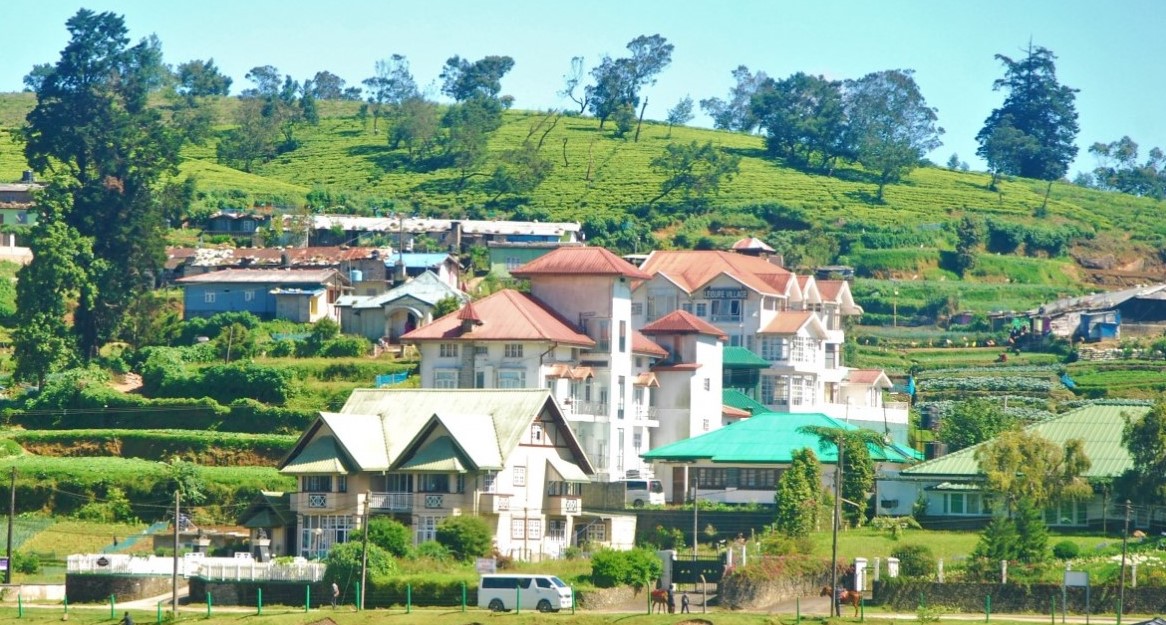
"From taro cultivation in Bogor to village tourism in Banyumas, every village has a story worth telling — and an opportunity worth sharing."
Seven areas of village knowledge
FolderDesa organizes its articles across these interconnected topics, each one grounded in real Indonesian village experience.
What you'll find on FolderDesa
Practical articles written by contributors who understand village life.
Agriculture & Cultivation
Articles on taro (talas bogor), dragon fruit, crystal guava, durian, oyster mushrooms, and tabulampot grapes — plus livestock such as dairy goats and Merino sheep.
Village-Owned Enterprises
Guides on establishing BUMDes, the differences from cooperatives, and why professional phased management matters for village economic growth.
Village Tourism
Coverage of destinations like Desa Karangkemiri in Banyumas, where outbound activities and a swimming pool helped tourism contribute Rp 50 million to village income in 2021.
Culinary Traditions
Indonesian village foods, Sundanese heritage dishes, spiced drinks, infused waters, seafood street-food ideas, and home-industry snack production.
Business Opportunities
From dried wood ear mushrooms and kopyor coconut seedlings to ecoprint crafting, bamboo crafts, and mina padi integrated rice-fish farming.
Village News & Community
Reports on social assistance programs like PKH, village governance structures, and practical tips such as safe homecoming travel during mudik season.
How to cook rendang the authentic village way
Rendang is more than a spicy beef dish. In many Indonesian villages, it is prepared for weddings, religious celebrations, family gatherings, and welcoming honored guests. The cooking process turns ordinary ingredients into a rich, dark, intensely fragrant meal through patience and careful attention.
The authentic village method begins with fresh coconut, aromatic herbs, and beef cut into generous pieces. The ingredients are cooked slowly until the coconut milk reduces, the spices cling to the meat, and the oil separates naturally. This requires time, but very little complicated equipment.
Regional recipes differ across West Sumatra and other parts of Indonesia. Some households use buffalo, chicken, eggs, or jackfruit, while others adjust the chilies and souring ingredients according to local taste. The method below follows the familiar Minangkabau-style approach while leaving room for village traditions.
Choosing the ingredients
Use beef with some connective tissue and fat, such as chuck, brisket, or shin. Lean steak can become dry during the long cooking process. Cut the meat into large cubes, around four to five centimeters wide, because smaller pieces may break apart before the sauce becomes thick.
Fresh coconut is central to village-style rendang. Grate mature coconut and squeeze it with warm water to make thick coconut milk, followed by thinner coconut milk for the early cooking stage. Canned coconut milk can work when fresh coconut is unavailable, but its flavor is usually less fragrant.
Prepare fresh red chilies, shallots, garlic, ginger, galangal, turmeric, lemongrass, kaffir lime leaves, turmeric leaves, and tamarind or asam kandis. Bay leaves and cinnamon may appear in some household versions. The balance should be savory, spicy, earthy, and slightly sour rather than sweet.
Grinding the spice paste
Traditional cooks use a stone mortar or a heavy pestle to crush the shallots, garlic, chilies, ginger, galangal, and turmeric. The paste does not need to be perfectly smooth. Small pieces of spice release their aroma gradually and give the sauce a more rustic texture.
A blender is practical, especially for a large batch, but add a little oil or coconut milk instead of too much water. Excess water makes the paste difficult to fry and can dilute the flavor. Bruise the lemongrass and tear the lime leaves so their oils spread through the sauce.
Before cooking, organize every ingredient beside the stove. Village cooks often measure by hand, but beginners can start with approximately one kilogram of beef, 1.5 liters of thin coconut milk, 500 milliliters of thick coconut milk, and a generous bowl of spice paste. Salt should be added gradually.
Building the flavor slowly
Heat a wide, heavy pot and add a small amount of oil. Fry the spice paste with lemongrass, lime leaves, turmeric leaves, and other whole spices until the mixture becomes darker and smells sweetly aromatic. This stage may take 10 to 15 minutes over medium heat. Rushing it can leave the finished rendang sharp and raw-tasting.
Add the beef and stir until each piece is coated. Pour in the thin coconut milk, then bring the mixture to a gentle simmer. Keep the pot uncovered or partly covered so steam can escape. Stir from the bottom at regular intervals, particularly as the sauce thickens.
The coconut milk should simmer rather than boil violently. A fierce boil can cause the coconut milk to split too early and make the sauce greasy. When cooked over a wood fire, the rounded heat of the embers gives the dish a subtle smoky character, but a gas or induction stove can produce excellent results with steady heat.
Reading the stages of rendang
Rendang changes appearance several times during cooking. At first, the sauce is pale and loose. It then becomes thicker and darker as the coconut reduces. The cook must recognize these stages instead of relying only on a timer.
| Cooking stage | Appearance | What to do |
|---|---|---|
| Simmering | Thin, reddish coconut sauce | Stir occasionally and keep the heat moderate |
| Kalio | Thick, glossy sauce with visible oil | Stir more often and adjust the salt |
| Rendang | Dark, dry coating clinging to the beef | Lower the heat and scrape the pot gently |
| Finished | Tender meat, dark spices, little moisture | Rest before serving |
Many families serve the dish at the kalio stage when the beef is tender and the sauce remains wet. A drier rendang is preferred for longer storage or travel because reduced moisture helps it keep longer when handled properly.
Finishing the long cook
After the thin coconut milk has reduced, add the thick coconut milk and continue cooking. Keep the heat low and stir every few minutes. As the sauce turns into a thick paste, stirring becomes essential because coconut solids can settle and scorch at the base of the pot.
The beef is ready when it can be pierced easily but still holds its shape. The spices should appear dark brown rather than burnt black, and the coconut oil should separate around the edges. If the meat is still firm while the sauce is already dry, add a small amount of hot water and continue cooking gently.
Salt, sourness, and heat become more concentrated as the liquid disappears. Taste near the end, then adjust carefully. A small amount of palm sugar may soften excessive bitterness, but traditional rendang generally depends on caramelized coconut and spices rather than a sweet sauce.
Serving it with a village meal
Allow the rendang to rest for at least 30 minutes before serving. The flavors settle as the beef cools slightly, and the spice coating becomes more cohesive. Many people find that the dish tastes even better the next day after the aromatics have had time to permeate the meat.
Serve it with steamed rice, sliced cucumber, cassava leaves, boiled vegetables, or a fresh sambal. Kerupuk and pickles provide contrast to the rich coconut flavor. For a broader Indonesian spread, homemade fermented foods can complement the meal; this making tempeh guide explains a traditional staple that can be prepared alongside village dishes.
Rendang is also useful for community kitchens, village celebrations, and small food businesses because it can be cooked in large quantities. Use a wide pot rather than overcrowding a narrow one, and keep the batch size manageable enough for consistent stirring and heat control.
Practical habits for better results
Small adjustments make the process easier without removing its traditional character:
- Choose a thick-bottomed pot to reduce scorching during the final stage.
- Fry the spice paste patiently until its raw smell disappears before adding coconut milk.
- Cut the beef evenly so all pieces finish cooking at roughly the same time.
- Stir more frequently as the liquid reduces, especially around the edges and base.
- Store cooled rendang in clean, sealed containers and refrigerate it promptly.
When preparing food for sale or a village gathering, keep raw beef separate from cooked ingredients and use clean utensils throughout. Cool large batches in shallow containers before refrigeration. Reheat only the portion needed for each meal to preserve texture and flavor.
Cook the dish with patience, taste it at every stage, and record the proportions that suit your family or community. With fresh ingredients, steady heat, and time, a simple pot of beef becomes a deeply aromatic expression of Indonesian village cooking.

Questions or story ideas from your village?
FolderDesa welcomes readers who want to share village experiences or learn more about the topics covered on the site.
Visit the Contact Page