
FolderDesa brings together practical knowledge on farming, village-owned enterprises, culinary traditions, rural tourism, and small-business ideas — all rooted in the everyday life of Indonesian villages.
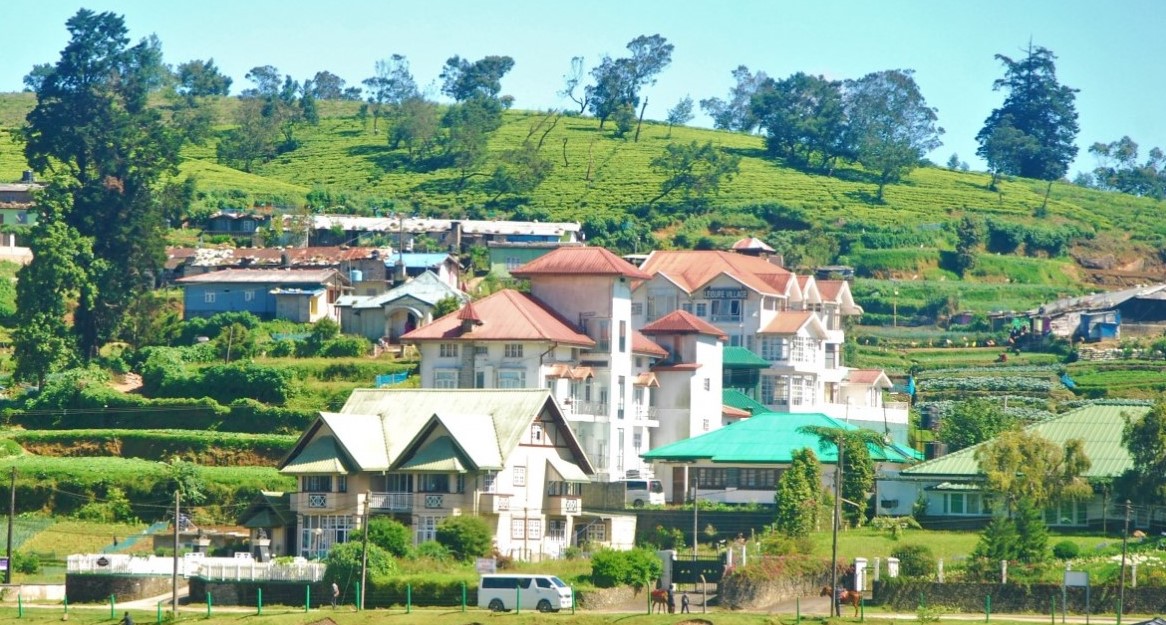
"From taro cultivation in Bogor to village tourism in Banyumas, every village has a story worth telling — and an opportunity worth sharing."
Seven areas of village knowledge
FolderDesa organizes its articles across these interconnected topics, each one grounded in real Indonesian village experience.
What you'll find on FolderDesa
Practical articles written by contributors who understand village life.
Agriculture & Cultivation
Articles on taro (talas bogor), dragon fruit, crystal guava, durian, oyster mushrooms, and tabulampot grapes — plus livestock such as dairy goats and Merino sheep.
Village-Owned Enterprises
Guides on establishing BUMDes, the differences from cooperatives, and why professional phased management matters for village economic growth.
Village Tourism
Coverage of destinations like Desa Karangkemiri in Banyumas, where outbound activities and a swimming pool helped tourism contribute Rp 50 million to village income in 2021.
Culinary Traditions
Indonesian village foods, Sundanese heritage dishes, spiced drinks, infused waters, seafood street-food ideas, and home-industry snack production.
Business Opportunities
From dried wood ear mushrooms and kopyor coconut seedlings to ecoprint crafting, bamboo crafts, and mina padi integrated rice-fish farming.
Village News & Community
Reports on social assistance programs like PKH, village governance structures, and practical tips such as safe homecoming travel during mudik season.
How One Indonesian Village Turned Plastic Waste Into Bricks
In Desa Suka Maju, plastic waste once gathered along irrigation channels, rice-field edges, and the small river crossing near the market. Collection trucks visited irregularly, while burning rubbish filled the air with smoke. The problem was familiar to many Indonesian villages: packaging waste arrived every day, but a dependable disposal system did not.
The change began with a simple observation from the village waste bank. Clean plastic bags, snack wrappers, and multilayer packaging had little resale value when sold to collectors. Yet the material was durable. With training from a local environmental group, residents began testing a mixture of processed plastic and sand for non-structural paving blocks.
The project did not solve every waste problem overnight. It created something more useful: a community system linking household sorting, small-scale manufacturing, public works, and local income. The bricks now line paths around the market and connect several homes to the village road.
From scattered waste to a village project
The first step was mapping where plastic accumulated. Youth volunteers weighed rubbish from households, food stalls, schools, and the weekly market for one month. They discovered that food packaging made up the largest share, while bottles and cardboard could already be sold through the existing waste bank.
The village government then provided a covered work area beside the waste bank. Residents supplied labor, the youth organization handled collection schedules, and the women’s group organized household education. Instead of treating plastic pollution as a clean-up issue alone, the village treated it as a shared production challenge.
Each participating household received two sacks: one for recyclable material and one for low-value plastic. Collection points were placed near the market and mosque. Small incentives, such as savings credits or basic household goods, encouraged regular sorting without making the program dependent on large cash payments.
How plastic becomes a paving block
Workers first remove food residue, soil, metal, and other materials from the plastic. The sorted material is dried and cut into smaller pieces. Some types of plastic are unsuitable for the process, so the village records what enters the workshop rather than accepting every item indiscriminately.
The plastic is then heated in a controlled machine and combined with measured sand. The warm mixture is placed into metal molds and compressed. After cooling, the blocks are removed and stored for curing and quality checks. These products are used for walkways, garden borders, drainage-side paths, and other places where they do not carry the load of a building.
Safety became a central lesson. Workers use gloves, masks, eye protection, ventilation, and temperature controls. The workshop never burns plastic in the open air. The village also works with a technical adviser to test strength, water absorption, and surface durability before installing blocks in public areas.
| Feature | Conventional concrete paving block | Plastic-sand paving block |
|---|---|---|
| Main materials | Cement, sand, and aggregate | Processed plastic and sand |
| Waste benefit | Limited | Uses selected low-value plastic |
| Typical village use | Roads, yards, paths | Paths, courtyards, borders |
| Main production concern | Cement cost and mixing quality | Heat control and material sorting |
| Maintenance priority | Check cracks and settlement | Check surface wear and heat effects |
| Best application | Areas requiring established standards | Light-duty, tested community spaces |
A small enterprise with local value
The workshop began with public orders rather than open commercial sales. The village bought blocks for a footpath near the market, allowing residents to observe their performance through the rainy season. Later, nearby schools and food stalls placed small orders for courtyards and seating areas.
Payment is divided among collection workers, workshop operators, maintenance costs, and a reserve fund. The waste bank earns from recyclable materials, while low-value plastic gains a second use. This arrangement makes the project more resilient than a program relying only on grants or occasional donations.
The enterprise also creates modest employment. Young people learn equipment maintenance and inventory recording, while older residents supervise sorting and quality control. BUMDes can support the next stage by managing procurement, packaging, customer records, and partnerships with contractors or neighboring villages.
Cleaner spaces and new village experiences
The visible results changed local attitudes. Before the project, residents often saw snack wrappers as worthless rubbish. Now children bring sorted plastic to collection points, and shop owners store clean packaging for scheduled pickup. Drainage channels require less frequent emergency cleaning during heavy rain.
The project has also become part of the village’s environmental education. Visitors can see the waste bank, learn how paving blocks are made, and walk along paths built from locally collected material. If the village develops this experience into a tourism package, officials should first review homestay registration steps and prepare clear visitor, sanitation, and safety procedures.
Tourism is a secondary opportunity, not the main justification. The village’s strongest benefit remains a cleaner public space and a practical way to organize residents. Visitors are more likely to value the story when the production system genuinely serves local needs.
What the village learned along the way
The first batches were uneven because the plastic was not sorted consistently and the sand ratio changed from one production day to another. Some blocks warped when cooling too quickly. Rather than hiding these failures, the team marked each batch and recorded its recipe, temperature, and curing time.
The village also learned that product claims must be careful. Plastic-sand blocks are not automatically stronger than concrete, and they should not be promoted for foundations, structural walls, or heavy traffic without proper engineering tests. Clear limits protect residents, buyers, and the reputation of the enterprise.
Long-term success depends on a reliable supply of sorted material. The workshop therefore continues to separate bottles, cardboard, metals, and plastics that can be sold through conventional recycling channels. Turning plastic into bricks is most useful for the portion that would otherwise have few buyers.
A practical starting point for other villages
Villages considering a similar program should begin with a waste audit and a small public demonstration. The equipment should match the available volume, electricity supply, operator skills, and budget. A large machine is not a solution if households do not sort waste or if the workshop lacks trained staff.
Useful priorities include:
- Measure the types and weekly volume of plastic waste before buying equipment.
- Establish household sorting rules and a dependable collection schedule.
- Start with light-duty paving applications and test each production batch.
- Provide ventilation, protective equipment, fire controls, and operator training.
- Assign BUMDes or another accountable group to manage costs, sales, and maintenance.
A village should also calculate the full cost of production, including electricity, sand, repairs, labor, transport, rejected batches, and testing. The selling price must be realistic. Environmental value is important, but a workshop that loses money on every block will struggle to continue after the first year.
Desa Suka Maju’s experience shows that a waste-to-brick project is less about a clever product than a disciplined local system. Sorting at home, transparent management, careful manufacturing, and appropriate public use turned a daily nuisance into a community asset.
For villages across Indonesia, the first action can be modest: weigh the plastic collected this week, gather the people already working on waste, and identify one safe path where a tested block could make a visible difference. Then build the enterprise step by step, with local hands and local accountability.

Questions or story ideas from your village?
FolderDesa welcomes readers who want to share village experiences or learn more about the topics covered on the site.
Visit the Contact Page