
FolderDesa brings together practical knowledge on farming, village-owned enterprises, culinary traditions, rural tourism, and small-business ideas — all rooted in the everyday life of Indonesian villages.
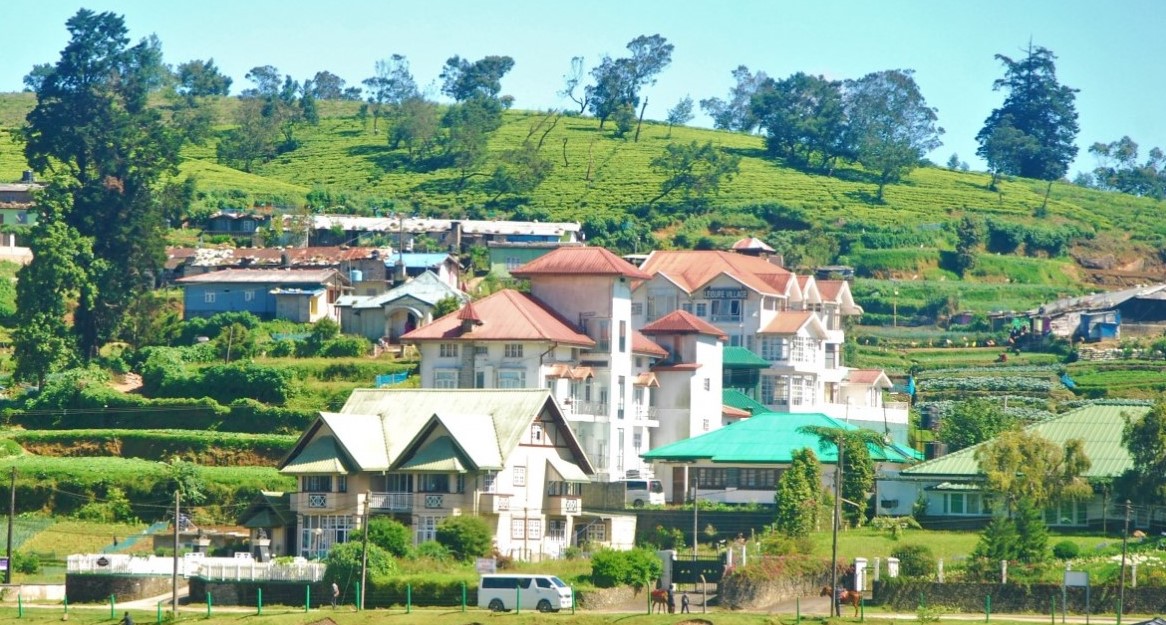
"From taro cultivation in Bogor to village tourism in Banyumas, every village has a story worth telling — and an opportunity worth sharing."
Seven areas of village knowledge
FolderDesa organizes its articles across these interconnected topics, each one grounded in real Indonesian village experience.
What you'll find on FolderDesa
Practical articles written by contributors who understand village life.
Agriculture & Cultivation
Articles on taro (talas bogor), dragon fruit, crystal guava, durian, oyster mushrooms, and tabulampot grapes — plus livestock such as dairy goats and Merino sheep.
Village-Owned Enterprises
Guides on establishing BUMDes, the differences from cooperatives, and why professional phased management matters for village economic growth.
Village Tourism
Coverage of destinations like Desa Karangkemiri in Banyumas, where outbound activities and a swimming pool helped tourism contribute Rp 50 million to village income in 2021.
Culinary Traditions
Indonesian village foods, Sundanese heritage dishes, spiced drinks, infused waters, seafood street-food ideas, and home-industry snack production.
Business Opportunities
From dried wood ear mushrooms and kopyor coconut seedlings to ecoprint crafting, bamboo crafts, and mina padi integrated rice-fish farming.
Village News & Community
Reports on social assistance programs like PKH, village governance structures, and practical tips such as safe homecoming travel during mudik season.
How to host a village cooking class for tourists
A village cooking class can turn an everyday skill into a memorable cultural experience. Visitors do not come only to learn a recipe; they want to understand where the ingredients grow, how families eat, and why a dish belongs to a particular place. For an Indonesian village, this creates income for cooks, farmers, guides, transport providers, and small shops.
The strongest classes feel personal rather than highly polished. A guest may remember grinding spices with a stone mortar, picking herbs beside a home, or sharing lunch with a local family longer than they remember a decorative venue. The activity should therefore be planned around real village life, while still providing clear timing, comfort, safety, and communication.
Australian visitors often appreciate practical, hands-on travel. Travellers from Melbourne, Sydney, Perth, or Brisbane may be familiar with weekend farmers’ markets and cooking workshops, yet Indonesian ingredients, equipment, and communal dining offer something genuinely different. A well-organised experience can appeal to couples, families, food enthusiasts, and visitors seeking responsible rural tourism.
Start with a clear village concept
Begin by choosing one food story that the village can explain with confidence. It might be a sambal made from local chillies, banana-leaf parcels prepared for a ceremony, freshwater fish cooked with village herbs, or a traditional cake sold at the morning market. Avoid trying to teach a complete regional menu in one short session. Two or three dishes allow enough time for preparation, conversation, and eating.
The class should connect the recipe with its source. Guests might visit a garden, meet a grower, see how coconut is processed, or walk through a traditional market before cooking. Explain which ingredients are seasonal, how households preserve food, and when the dish is commonly served. This turns a recipe demonstration into a practical lesson in village agriculture and culture.
Set the group size according to the available space and teaching ability. Six to twelve guests is often manageable for a first programme. A BUMDes can coordinate bookings, collect payments, arrange transport, and distribute earnings, while local cooks and farmers provide the experience. A written agreement should clarify fees, working hours, equipment ownership, and how income supports the wider community.
Build the lesson with community knowledge
Invite residents to shape the class rather than treating them as performers. Older cooks may explain traditional techniques, young people can translate or manage digital bookings, and farmers can describe planting and harvesting. This reflects the gotong royong tradition, where shared work strengthens community outcomes and gives the activity a broader local benefit.
Create a simple running order. Welcome guests with a drink, introduce the ingredients, demonstrate one technique, and let participants work in pairs or small groups. Leave time for questions and informal conversation. A recipe card with Indonesian and English names, measurements, substitutions, and serving advice helps visitors recreate the dish after returning home.
Australian guests may be accustomed to an early breakfast, a morning coffee, and clearly timed activities, so state the start time and duration when selling the class. Include water, a shaded resting area, handwashing facilities, and a place to store bags. Families may need a child-friendly task, while older travellers may prefer seated preparation rather than extended standing.
Prepare the kitchen and food safeguards
Inspect the venue before advertising. The cooking area needs clean water, washable surfaces, safe fuel or electrical connections, adequate ventilation, rubbish bins, and enough knives, boards, pans, and serving utensils. Keep raw meat, seafood, and ready-to-eat food separate. If the class takes place in a home, agree on which rooms are private and which areas guests may enter.
Food safety deserves the same attention as cultural storytelling. Record ingredient sources, check storage temperatures, wash produce properly, and prepare a response for cuts, burns, allergic reactions, or illness. Ask for dietary information at booking. Peanuts, shellfish, eggs, soy, gluten, and coconut can matter to visitors, and vegetarian or halal requirements should be handled honestly rather than promised casually.
Australian travellers are used to prominent allergen communication under Food Standards Australia New Zealand, although an Indonesian operator must also check the rules and permits that apply locally. Clear signs such as “contains peanuts” or “prepared with shrimp paste” are useful in any country. Staff should never guess about ingredients, and separate utensils may be needed for guests with serious allergies.
Set a fair price and reach the right market
Calculate the full cost before choosing a ticket price. Include ingredients, cook and guide payments, fuel, cleaning, transport, translation, booking administration, equipment replacement, and a contribution to community projects. A low price can damage quality and hide unpaid labour. A transparent model might allocate fixed payments to workers, a reserve for maintenance, and a village share for agreed development priorities.
Promote the class through hotels, homestays, local guides, travel platforms, social media, and the village website. Use photographs of real preparation rather than staged luxury. Explain the meeting point, total duration, physical demands, language support, menu, inclusions, cancellation terms, and whether children can participate. A short video showing the market visit or spice grinding can help overseas visitors understand the experience.
Rural destinations near Yogyakarta, Bali, Bandung, or Lombok can attract travellers already searching for rural travel experiences, while more remote villages may need partnerships with regional tour operators. Encourage guests to arrive by shared transport where possible and use local accommodation, food stalls, and craft sellers as part of the visitor economy.
Host carefully and improve the programme
On the day, appoint one person to welcome guests and manage time, one lead cook to teach, and one helper to watch safety and translation. Begin with expectations about footwear, handwashing, photography, hot surfaces, and respectful behaviour. Ask permission before photographing residents, homes, religious spaces, or ceremonies. Good hosting protects dignity as well as comfort.
After the meal, invite simple feedback about taste, pacing, clarity, cleanliness, and value. Track which dishes work for different seasons and groups. If guests struggle with a mortar, seating, spice levels, or translation, adjust the format without removing its local character. A pilot class with nearby hotel staff or domestic visitors can reveal problems before international promotion begins.
The programme should also avoid turning culture into a costume. Pay contributors fairly, credit family recipes where appropriate, and do not disclose knowledge that a community considers private. Keep menus flexible when harvests change, and explain substitutions as part of village food knowledge. Authenticity is strongest when the class reflects the way people actually cook while making reasonable arrangements for visitors.
A successful village cooking class is a small economic ecosystem: ingredients come from local producers, knowledge comes from residents, and revenue is shared through organised community work. For Australian visitors, reliable timing, food information, hygiene, and comfortable facilities make the experience easier to trust. What they should remember is the taste of the dish, the people who taught it, and the living village culture behind every ingredient.

Questions or story ideas from your village?
FolderDesa welcomes readers who want to share village experiences or learn more about the topics covered on the site.
Visit the Contact Page