
FolderDesa brings together practical knowledge on farming, village-owned enterprises, culinary traditions, rural tourism, and small-business ideas — all rooted in the everyday life of Indonesian villages.
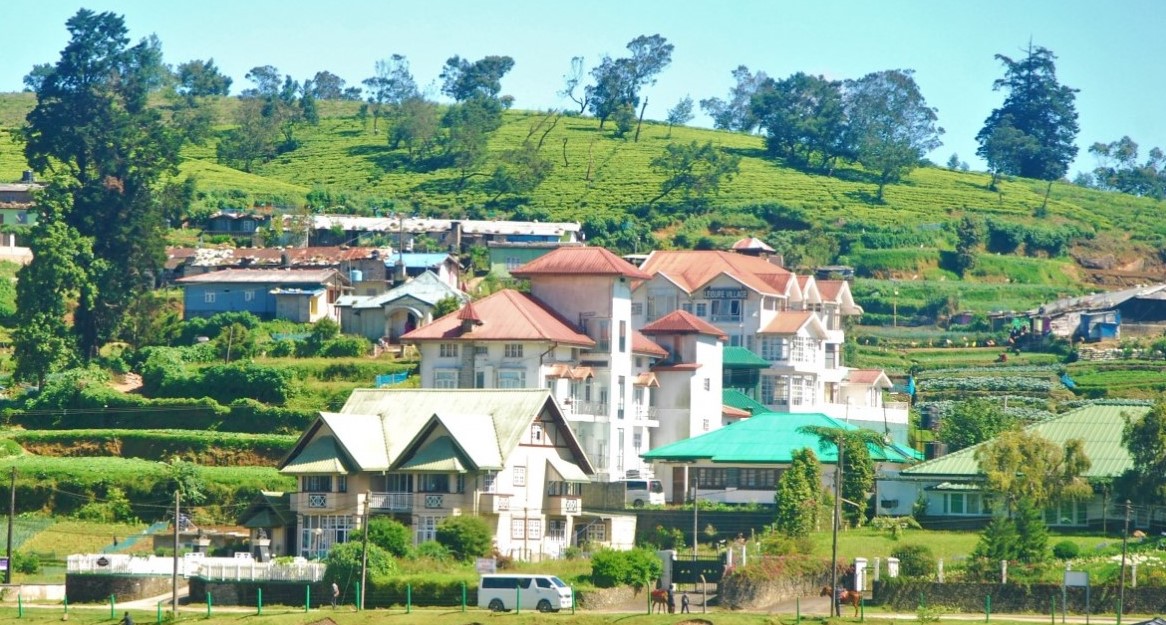
"From taro cultivation in Bogor to village tourism in Banyumas, every village has a story worth telling — and an opportunity worth sharing."
Seven areas of village knowledge
FolderDesa organizes its articles across these interconnected topics, each one grounded in real Indonesian village experience.
What you'll find on FolderDesa
Practical articles written by contributors who understand village life.
Agriculture & Cultivation
Articles on taro (talas bogor), dragon fruit, crystal guava, durian, oyster mushrooms, and tabulampot grapes — plus livestock such as dairy goats and Merino sheep.
Village-Owned Enterprises
Guides on establishing BUMDes, the differences from cooperatives, and why professional phased management matters for village economic growth.
Village Tourism
Coverage of destinations like Desa Karangkemiri in Banyumas, where outbound activities and a swimming pool helped tourism contribute Rp 50 million to village income in 2021.
Culinary Traditions
Indonesian village foods, Sundanese heritage dishes, spiced drinks, infused waters, seafood street-food ideas, and home-industry snack production.
Business Opportunities
From dried wood ear mushrooms and kopyor coconut seedlings to ecoprint crafting, bamboo crafts, and mina padi integrated rice-fish farming.
Village News & Community
Reports on social assistance programs like PKH, village governance structures, and practical tips such as safe homecoming travel during mudik season.
Gotong Royong And The Future Of Indonesian Villages
Gotong royong, the Indonesian tradition of working together for a shared purpose, remains a powerful force in village life. It can be seen in communal clean-ups, irrigation maintenance, harvest support, disaster response, and celebrations that bring households together. While its forms have changed, the underlying principle is still relevant: village progress becomes stronger when residents contribute according to their abilities.
Modern village development requires more than physical labor. Communities must manage funds, create employment, protect natural resources, improve public services, and respond to changing markets. Cooperation helps villagers combine skills, local knowledge, time, and resources so that development does not depend entirely on outside institutions.
For village officials, farmers, entrepreneurs, and residents, collective action offers a practical way to turn local potential into shared opportunity. It can support BUMDes, rural tourism, agricultural production, traditional food businesses, and community-led infrastructure.
A Living Tradition In A Changing Village
In the past, gotong royong was commonly associated with building houses, repairing roads, or preparing communal events. Today, the same spirit can support digital administration, waste management, business training, environmental conservation, and village planning meetings.
The tradition works because it is based on trust and reciprocity. People understand that a contribution made today may return as help, access, protection, or opportunity in the future. This social connection can be especially valuable in areas where formal services and private investment remain limited.
Modern cooperation should still respect local customs, but it also needs clear responsibilities. A community project becomes more effective when residents know its purpose, schedule, budget, and expected results. Transparency protects mutual trust and prevents participation from becoming symbolic.
Strengthening Local Economic Opportunities
Collective work can reduce the cost of starting and operating village businesses. Farmers may share equipment, transport, storage facilities, or access to buyers. Small food producers can purchase raw materials together and develop common packaging. Tourism groups can coordinate homestays, guides, culinary services, and cultural performances.
Village-owned enterprises can provide an institutional structure for these efforts. A BUMDes may manage a market, clean water service, tourism destination, agricultural supply center, or village credit program. Its success depends on professional management, yet community involvement helps ensure that the enterprise reflects real local needs. Practical guidance on managing village credit can help leaders connect financial services with responsible community development.
Gotong royong also supports household resilience. When villagers cooperate to develop beekeeping, livestock, fisheries, or home industries, they can share training and market information. For communities interested in honey production, rural beekeeping basics offer a useful starting point for building a small enterprise based on local ecosystems.
Cooperation In Agriculture And Food Security
Agriculture depends on shared systems. Irrigation channels, farm roads, seed access, pest control, and post-harvest facilities often serve many households at once. Maintaining these resources through community work can improve productivity while reducing the burden on individual farmers.
Collective planning also helps villages respond to climate and market risks. Farmers can compare planting schedules, coordinate crop choices, establish emergency funds, and explore processing rather than selling all produce immediately. A village that turns cassava into flour, fruit into preserves, or milk into packaged products keeps more value within the local economy.
Traditional cuisine provides another opportunity. Community groups can document recipes, improve hygiene standards, and market local foods to visitors or urban consumers. When older residents share knowledge with younger entrepreneurs, economic development can preserve cultural identity rather than replacing it.
Building Fair And Accountable Governance
Gotong royong is most effective when participation is inclusive. Women, young people, older residents, persons with disabilities, migrant families, and poorer households should have meaningful opportunities to join planning and decision-making. Their experiences often reveal practical problems that are missed by formal leaders.
Village meetings should therefore be more than ceremonial gatherings. Residents need access to understandable information about budgets, development priorities, procurement, and project outcomes. Simple tools such as public noticeboards, community discussions, and digital updates can make accountability visible.
Leaders must also distinguish voluntary cooperation from unpaid obligations. Residents should not be pressured into labor that benefits a private party or excludes vulnerable households. Fair contribution may take different forms, including skills, materials, ideas, monitoring, or agreed financial support.
Measuring Shared Progress
Community spirit is important, but development projects still require evidence. Villages can track participation, costs, service quality, income, environmental results, and benefits received by different groups. These measures help residents identify what is working and adjust projects before resources are wasted.
| Area of cooperation | Practical activity | Possible result |
|---|---|---|
| Agriculture | Shared irrigation and equipment maintenance | Lower costs and more reliable harvests |
| Local enterprise | Joint production, packaging, and marketing | Stronger products and wider market access |
| Environment | River clean-ups and waste sorting | Healthier surroundings and better tourism appeal |
| Governance | Open planning and budget monitoring | Higher trust and fewer disputes |
| Social welfare | Emergency funds and mutual support | Faster help for vulnerable households |
Evaluation should be discussed publicly and in plain language. If a project fails to meet its targets, the community can examine whether the problem came from weak planning, limited skills, poor management, or unrealistic expectations. Honest review turns setbacks into shared learning.
Practical Priorities For Village Leaders
A village does not need a large program to revive collective action. One well-managed project can demonstrate the value of cooperation and encourage participation in larger initiatives. Leaders should begin with a need that residents recognize and a result they can observe.
The following priorities can help turn a traditional value into a dependable development practice:
- Map local skills, resources, groups, and existing informal cooperation.
- Choose projects with clear benefits, transparent costs, and shared ownership.
- Give young people practical roles in technology, promotion, and administration.
- Record agreements, responsibilities, progress, and financial decisions.
- Review outcomes regularly and adapt activities based on resident feedback.
These steps create a bridge between customary mutual help and modern village management. They also reduce the risk that gotong royong is used only as a slogan during ceremonies or official campaigns.
Sustaining Participation Across Generations
Young villagers may be less familiar with older forms of communal work, yet they often bring valuable abilities in design, online promotion, mapping, finance, and digital communication. Inviting them to lead selected parts of a project can make cooperation relevant to their ambitions.
Schools, farmer groups, religious organizations, women’s associations, and youth communities can each contribute to a broader culture of participation. Activities such as village gardens, cultural festivals, recycling programs, and business incubators provide practical spaces where different generations work together.
The future of village development will depend on combining social trust with professional standards. When residents cooperate, leaders remain accountable, and local enterprises create fair opportunities, gotong royong becomes more than heritage. It becomes a working foundation for resilient and prosperous communities.
Choose one achievable shared project in your village, gather the people who will benefit from it, and turn mutual support into a clear plan with measurable results.

Questions or story ideas from your village?
FolderDesa welcomes readers who want to share village experiences or learn more about the topics covered on the site.
Visit the Contact Page