
FolderDesa brings together practical knowledge on farming, village-owned enterprises, culinary traditions, rural tourism, and small-business ideas — all rooted in the everyday life of Indonesian villages.
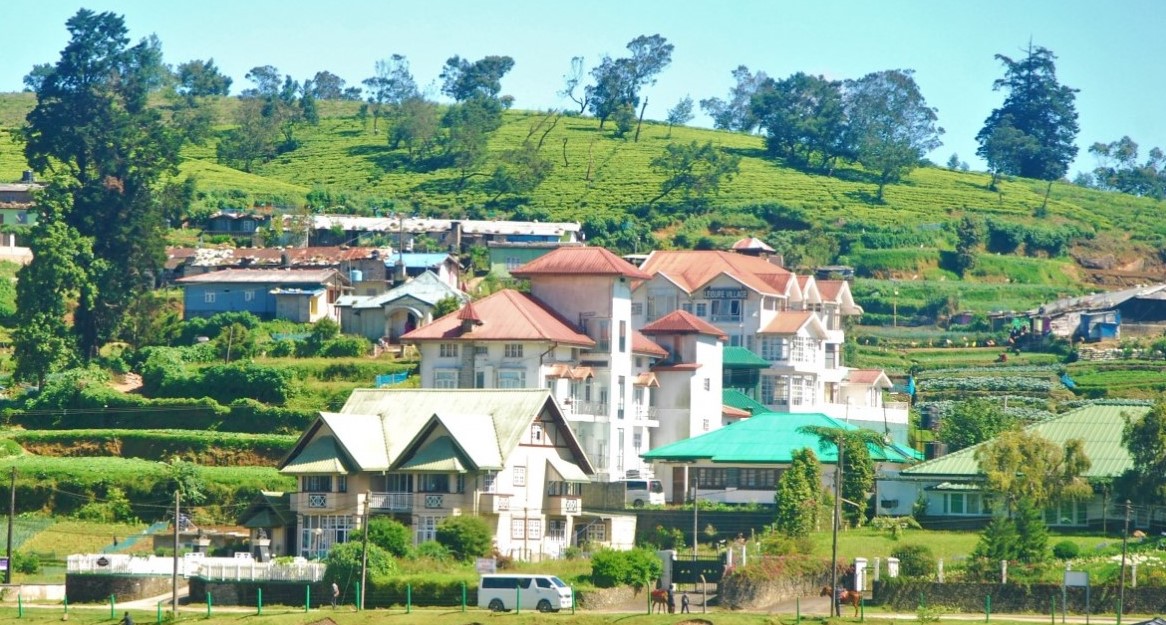
"From taro cultivation in Bogor to village tourism in Banyumas, every village has a story worth telling — and an opportunity worth sharing."
Seven areas of village knowledge
FolderDesa organizes its articles across these interconnected topics, each one grounded in real Indonesian village experience.
What you'll find on FolderDesa
Practical articles written by contributors who understand village life.
Agriculture & Cultivation
Articles on taro (talas bogor), dragon fruit, crystal guava, durian, oyster mushrooms, and tabulampot grapes — plus livestock such as dairy goats and Merino sheep.
Village-Owned Enterprises
Guides on establishing BUMDes, the differences from cooperatives, and why professional phased management matters for village economic growth.
Village Tourism
Coverage of destinations like Desa Karangkemiri in Banyumas, where outbound activities and a swimming pool helped tourism contribute Rp 50 million to village income in 2021.
Culinary Traditions
Indonesian village foods, Sundanese heritage dishes, spiced drinks, infused waters, seafood street-food ideas, and home-industry snack production.
Business Opportunities
From dried wood ear mushrooms and kopyor coconut seedlings to ecoprint crafting, bamboo crafts, and mina padi integrated rice-fish farming.
Village News & Community
Reports on social assistance programs like PKH, village governance structures, and practical tips such as safe homecoming travel during mudik season.
Starting a village rabbit farm for meat and fur in rural Indonesia
Across the Indonesian archipelago, smallholders are reinventing what a village livestock enterprise can look like. Rabbits, often overlooked in favour of cattle or goats, have become a compelling option for families with limited land. The animals breed quickly, consume kitchen scraps, and produce two income streams from a single carcass.
For Australian readers, the contrast is striking. In a country where rabbits are famously classified as an invasive species, the Indonesian approach treats them as a valuable domestic animal. A smallholder in Java faces very different conditions to a grazier near Wagga Wagga or a hobby farmer outside Hobart.
The economics also differ. A whole farmed rabbit in a Melbourne butcher can cost between AUD 25 and AUD 40, while in rural Indonesia the same animal might sell for the equivalent of a few dollars. Both markets value lean meat and soft pelts, but entry costs are far lower on the Indonesian side.
This article walks through the practical steps of establishing a small village rabbit operation, from selecting stock and building housing, through feeding, health care, processing, and connecting with buyers. It draws on routines proven in Indonesian villages and points to opportunities that could translate into Australian contexts with adaptation.
Choosing the right breed for meat and fur
Not every rabbit suits a village enterprise. The most common meat breeds in Indonesian smallholdings are New Zealand White, Californian, and a local cross called Rex Lokal. These animals grow quickly, dress out at 2 to 2.5 kilograms, and produce pelts dense enough to be tanned.
For Australians thinking about backyard production, the same breeds are sold through specialist breeders in Brisbane, Adelaide, and Perth, often advertised at agricultural shows like the Royal Melbourne Show. A single breeding trio, one buck and two does from unrelated lines, is enough to launch most operations. Buyers should check breeder records for temperament and litter size.
Breeds suited to village conditions
- New Zealand White for fast growth and a calm temperament
- Californian for uniform carcass quality and strong maternal instincts
- Rex Lokal, a hardy Indonesian cross favoured for pelt density
- Flemish Giant cross where space and feed allow, for heavier fryers
Building low-cost housing from local materials
Housing does not need to be expensive, but it must protect animals from rain, dogs, and rodents. In many Indonesian villages, the standard design is a raised bamboo hutch with a sloped roof of salvaged tiles or palm thatch. Each cage should be at least 60 centimetres wide, 80 centimetres deep, and 50 centimetres high.
Clean water is essential, especially during the dry season. Many village rabbitries install simple gravity-fed lines or hand-filled containers refreshed twice daily. A practical guide to setting up community-scale water infrastructure, similar to village-owned water supply systems documented across the archipelago, applies just as well to livestock needs.
Wire mesh should prevent young kits from escaping while allowing airflow. Hutches benefit from placement under a shade tree, since rabbits suffer badly above 30 degrees. A reflective roof or wet hessian can lower temperatures during the hottest part of the day.
Feeding and daily care routines
Rabbits are herbivores that thrive on a mix of forage, greens, and a small amount of concentrate. In a village setting, the daily ration often includes freshly cut grass, banana leaves, cassava tops, and vegetable trimmings from the household or market. Supplementing with rice bran or commercial pellets, around 60 to 80 grams per adult per day, supports faster growth in fryers.
Fresh water must be available at all times. A doe nursing a litter can drink more than half a litre in a single day, and dehydration quickly reduces milk output. Daily chores fit easily into a village routine: morning greens and water, midday shade check, late afternoon forage top-up and a quick health check on each animal.
Feed options easily sourced in villages
- Napier grass, banana leaves, and cassava tops cut fresh each morning
- Vegetable trimmings collected from households and market stalls
- Rice bran or copra meal as a low-cost concentrate supplement
- Commercial pellets, used sparingly when affordable, to balance the ration
Health management in tropical climates
Disease pressure is one of the bigger challenges for village rabbit keepers. The most common problems include coccidiosis, snuffles caused by Pasteurella, ear mites, and fly strike during humid months. None of these is difficult to manage if caught early, but a smallholder who checks animals daily will spot trouble long before it becomes serious.
Clean housing is the foundation of prevention. Droppings should be cleared every couple of days, and the entire hutch disinfected between batches of weaners. Quarantine any new arrivals for at least ten days before mixing them with the main herd, and keep sick animals isolated until they recover. Partnerships with neighbouring villages and shared access to a trained paravet can help where veterinary services are limited.
Processing meat and fur for local markets
Slaughtering and dressing is a skill best learned from an experienced neighbour. The usual approach is to stun the animal cleanly, hang it briefly to drain, then skin the pelt carefully so it remains intact. Meat is washed, chilled quickly, and either sold fresh the same day or kept in a cool room packed with ice.
Pelts require a separate workflow. After fleshing and salting, they are stretched on frames and dried in the shade for several days, then sold raw or sent for further processing. Some cooperatives have started cottage tanning that turns pelts into slippers, hats, and small leather goods, adding value otherwise lost. Pricing depends on the buyer, with quality, size, and seasonality all influencing returns.
Connecting with buyers and village cooperatives
Going it alone is rarely the best route for a new rabbit keeper. The most successful village enterprises in Indonesia operate under a BUMDes or a village cooperative, which pools production from several households, negotiates with buyers, and arranges shared transport. This structure is especially useful when supplying restaurants, hotels, or urban markets that require consistent volumes.
A small cooperative might begin by selling direct to nearby markets and homestays, then gradually build relationships with restaurants in larger cities. Some have started exporting pelts through regional traders, though this requires investment in grading and consistent quality control.
For Australian readers, parallels with grower cooperatives in regional centres such as Geelong, Ballarat, or Toowoomba are worth noting. Lessons about collective bargaining, shared infrastructure, and joint marketing translate across two very different farming environments.
Common pitfalls and how to avoid them
The most frequent mistake made by new rabbit keepers is buying too many animals before housing and routines are in place. A second is feeding only kitchen scraps, which lacks the protein needed for fast growth. A third is failing to keep breeding records.
Heat stress is another pitfall in lowland villages, where midday temperatures regularly exceed 32 degrees. Hutches in full sun can kill an entire batch of weaners in a single afternoon. Equally damaging is keeping sick animals in the main herd, where respiratory illness spreads. Be wary of buyers who promise unrealistic prices, since wholesale prices are modest.
Keep simple records from the start, noting breeding dates, litter sizes, weaning weights, and health issues. These numbers become the basis of every management decision and build credibility with any cooperative or government program that might support the enterprise.
The first year is best treated as a training period. A practical starting point is a single breeding trio, a small hutch, and a clear plan for who will buy the first fryers, with expansion through a village cooperative coming once the daily routines are second nature.

Questions or story ideas from your village?
FolderDesa welcomes readers who want to share village experiences or learn more about the topics covered on the site.
Visit the Contact Page