
FolderDesa brings together practical knowledge on farming, village-owned enterprises, culinary traditions, rural tourism, and small-business ideas — all rooted in the everyday life of Indonesian villages.
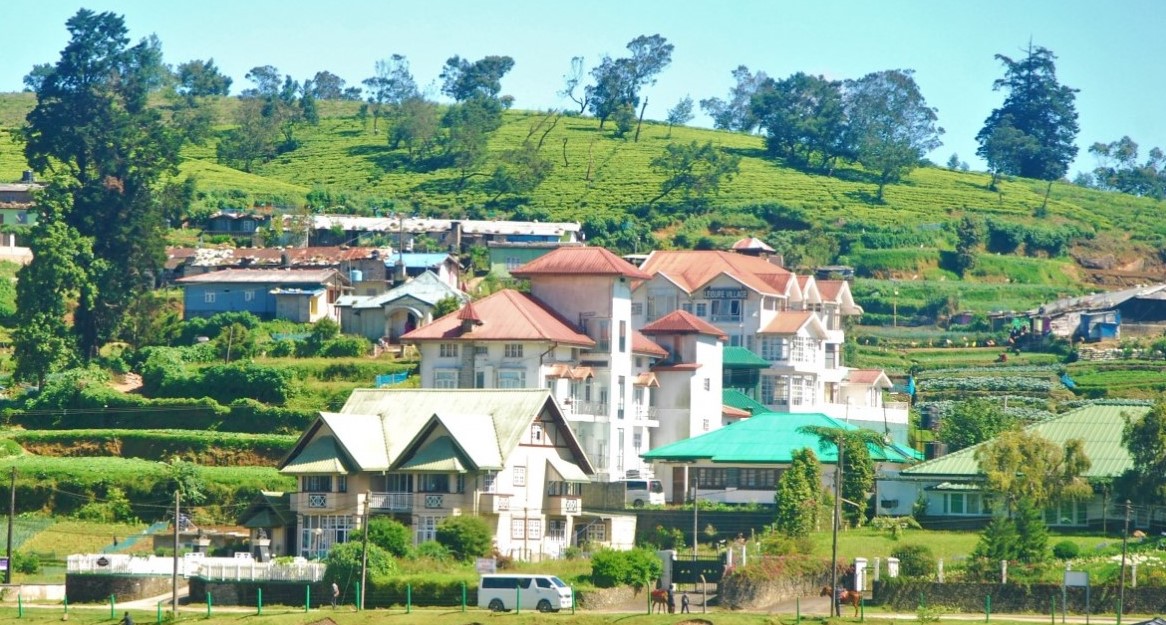
"From taro cultivation in Bogor to village tourism in Banyumas, every village has a story worth telling — and an opportunity worth sharing."
Seven areas of village knowledge
FolderDesa organizes its articles across these interconnected topics, each one grounded in real Indonesian village experience.
What you'll find on FolderDesa
Practical articles written by contributors who understand village life.
Agriculture & Cultivation
Articles on taro (talas bogor), dragon fruit, crystal guava, durian, oyster mushrooms, and tabulampot grapes — plus livestock such as dairy goats and Merino sheep.
Village-Owned Enterprises
Guides on establishing BUMDes, the differences from cooperatives, and why professional phased management matters for village economic growth.
Village Tourism
Coverage of destinations like Desa Karangkemiri in Banyumas, where outbound activities and a swimming pool helped tourism contribute Rp 50 million to village income in 2021.
Culinary Traditions
Indonesian village foods, Sundanese heritage dishes, spiced drinks, infused waters, seafood street-food ideas, and home-industry snack production.
Business Opportunities
From dried wood ear mushrooms and kopyor coconut seedlings to ecoprint crafting, bamboo crafts, and mina padi integrated rice-fish farming.
Village News & Community
Reports on social assistance programs like PKH, village governance structures, and practical tips such as safe homecoming travel during mudik season.
Village-Owned Water Supply Systems That Last
Reliable water access supports household health, food production, schools, small businesses, and village tourism. In many parts of Indonesia, a village-owned water supply system becomes the most practical way to serve residents when the state network does not reach every hamlet. Its success, however, depends on daily management rather than construction alone.
A village may develop a spring-fed network, a drilled well, a gravity-flow pipeline, or a treatment facility supplied by a river or reservoir. Each model has different costs and risks. Clear responsibilities, realistic tariffs, routine inspections, and transparent financial records help keep the service working after the initial project is completed.
Water management also connects with other village economic activities. Farmers need dependable water for nurseries and livestock, while food producers and guesthouses require safe supplies throughout the year. Practical information about village farming can help communities consider water demand alongside agricultural planning.
Building the right management structure
The village government should decide who owns the infrastructure, who operates it, and how major repairs are approved. Management may sit within a BUMDes, a dedicated water unit, or a community association such as HIPPAM. The chosen structure should be recognized in village regulations and supported by written operating procedures.
A small management team commonly includes an administrator, technician, billing officer, and customer service contact. Their duties should be visible to residents. When users know whom to call about a leaking pipe or an inaccurate meter, problems are reported earlier and conflicts are easier to resolve.
A supervisory group can review monthly income, expenses, service interruptions, and water quality results. Public reporting at village meetings or through an information board builds trust. It also reduces the risk that water fees become mixed with unrelated village spending.
Setting tariffs that protect the service
Water fees should cover routine operation, electricity, treatment chemicals, meter reading, staff allowances, and a reserve for replacement parts. A tariff based only on political pressure may appear affordable, but it can leave the system unable to repair a broken pump or damaged main pipe.
A useful approach is a basic monthly charge combined with a volume-based fee. Households using a modest amount pay less than businesses, livestock operations, or accommodation providers with higher consumption. Poor households can receive a clearly defined subsidy funded through the village budget rather than hidden discounts that weaken the operator.
Billing records should be simple and verifiable. Meter readings, invoices, payments, arrears, and expenses can be managed in a spreadsheet or a basic digital application. Receipts and payment channels should be available through the village office, local collection points, or authorized digital services.
Protecting sources and checking water quality
The safest and least expensive treatment is often protection at the water source. Villages should identify the spring, well, intake, storage tank, and drainage area on a simple map. Activities that introduce contamination, such as waste disposal, intensive livestock keeping, or excessive fertilizer use, should be controlled near the intake.
For spring systems, the collection box needs a secure cover, proper drainage, and a fence where necessary. Wells require sanitary protection around the opening, while river intakes need screens and regular removal of sediment and debris. Vegetation around catchment areas can reduce erosion and help maintain dry-season flow.
Water should be tested at intervals suited to local risks. Basic checks may include turbidity, odor, color, pH, and residual chlorine, while laboratory testing should examine microbiological safety and other hazards identified by local health officials. Results should be explained in plain language so residents understand whether boiling, chlorination, or other precautions are required.
Comparing system choices
No single design suits every village. Gravity systems usually have lower energy costs but depend on elevation and a reliable source. Pumped networks can serve flatter areas but expose the operator to electricity price increases and mechanical failures. Treatment requirements also vary with raw water quality.
| System type | Main advantage | Common risk | Maintenance priority |
|---|---|---|---|
| Spring-fed gravity network | Low energy cost and simple operation | Reduced flow during drought | Protect the catchment and inspect tanks |
| Deep-well system | More stable supply in some locations | Pump failure and declining groundwater | Service pumps and monitor water levels |
| River intake with treatment | Can serve a large population | Sediment and contamination after rain | Clean intake screens and control treatment |
| Rainwater storage | Useful for remote households | Seasonal shortage and limited volume | Clean roofs, gutters, and storage tanks |
| Pumped distribution network | Flexible service coverage | High electricity and repair costs | Check pumps, valves, meters, and controls |
Before expanding a network, managers should calculate peak demand, storage capacity, pipe pressure, and source yield during the driest months. A system that works during the rainy season may fail when every household draws water at the same time in August or September.
Making maintenance a daily habit
Preventive maintenance costs less than emergency replacement. Operators should walk the pipeline route, inspect valves, check tank levels, record pump hours, and look for wet soil that may indicate a leak. Simple logs help identify recurring failures and show whether repairs are improving performance.
Storage tanks should be cleaned according to a written schedule, with access covers kept locked and ventilation protected. Meters need testing and replacement when readings become unreliable. Spare washers, pipe connectors, valves, fuses, and basic tools should be kept locally so a minor fault does not stop service for several days.
Residents are part of the maintenance system. They can report leaks, illegal connections, broken public taps, and unusual changes in water color. A designated phone number or messaging group is useful, but reports should be recorded and followed by a clear response rather than disappearing into an informal chat.
Preparing for growth and dry seasons
Population growth, new houses, tourism, and small industries can increase demand faster than expected. Village leaders should review the service area annually and reserve land for additional tanks, pump houses, or treatment facilities. New connections should follow technical rules so that one cluster does not reduce pressure for older customers.
Water-saving measures can delay expensive expansion. Public buildings can repair leaking toilets, install low-flow fixtures, reuse suitable non-potable water for gardens, and collect rainwater for cleaning. Farmers and livestock owners should avoid drawing from the domestic network when a separate source is available.
A village water operator can also become part of the local economy by supplying refill stations, public facilities, or businesses under fair agreements. Related rural business opportunities should be assessed carefully, since commercial use must never compromise household access or water safety.
Practical priorities for village operators
A reliable program becomes easier when responsibilities are translated into a short annual work plan. The village government, operator, health workers, and user representatives can agree on targets for service hours, water quality, leak reduction, collection rates, and emergency response.
The following actions provide a workable starting point:
- Register all pipes, tanks, pumps, meters, valves, and customer connections in an updated asset record.
- Set tariffs from documented operating costs and publish monthly income and expenditure summaries.
- Schedule source inspections, tank cleaning, meter checks, and pump servicing before failures occur.
- Create a complaint and repair log with response deadlines for urgent and routine problems.
- Establish a dry-season plan covering rationing, alternative sources, water delivery, and public communication.
Training should continue after the system is built. Operators need practical instruction in leak detection, electrical safety, chlorination, bookkeeping, and customer service. When trained staff leave, their procedures and records should make it possible for replacements to continue the work without starting again.
A village-owned water supply system is a long-term public service asset. Its durability rests on protected sources, competent operators, fair payment, accurate records, and residents who treat the network as shared infrastructure. Village governments and community managers can begin by auditing their assets, publishing a maintenance calendar, and allocating funds for the next repair before the next breakdown occurs.

Questions or story ideas from your village?
FolderDesa welcomes readers who want to share village experiences or learn more about the topics covered on the site.
Visit the Contact Page