
FolderDesa brings together practical knowledge on farming, village-owned enterprises, culinary traditions, rural tourism, and small-business ideas — all rooted in the everyday life of Indonesian villages.
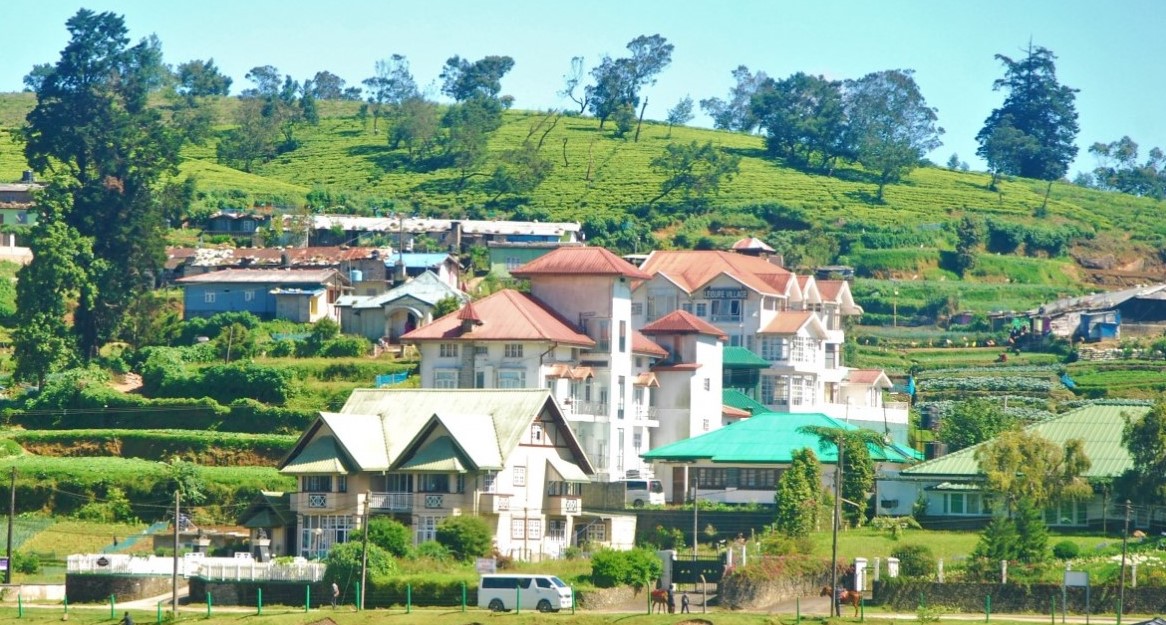
"From taro cultivation in Bogor to village tourism in Banyumas, every village has a story worth telling — and an opportunity worth sharing."
Seven areas of village knowledge
FolderDesa organizes its articles across these interconnected topics, each one grounded in real Indonesian village experience.
What you'll find on FolderDesa
Practical articles written by contributors who understand village life.
Agriculture & Cultivation
Articles on taro (talas bogor), dragon fruit, crystal guava, durian, oyster mushrooms, and tabulampot grapes — plus livestock such as dairy goats and Merino sheep.
Village-Owned Enterprises
Guides on establishing BUMDes, the differences from cooperatives, and why professional phased management matters for village economic growth.
Village Tourism
Coverage of destinations like Desa Karangkemiri in Banyumas, where outbound activities and a swimming pool helped tourism contribute Rp 50 million to village income in 2021.
Culinary Traditions
Indonesian village foods, Sundanese heritage dishes, spiced drinks, infused waters, seafood street-food ideas, and home-industry snack production.
Business Opportunities
From dried wood ear mushrooms and kopyor coconut seedlings to ecoprint crafting, bamboo crafts, and mina padi integrated rice-fish farming.
Village News & Community
Reports on social assistance programs like PKH, village governance structures, and practical tips such as safe homecoming travel during mudik season.
Building a village weather station for smarter farming
Small-scale agriculture in Australia often runs on gut feel, but a simple village weather station can turn guesswork into grounded decisions. Across the Murray-Darling Basin, growers know a 5 mm swing in rainfall can shift a sowing window, and a sudden heat spike can torch a stone-fruit crop overnight. When neighbours share instruments and readings, the community gains a clearer picture of what the sky is doing.
A shared station does more than log numbers. It builds a local knowledge base that agronomists, school students, and emergency volunteers can draw on. In a town like Wagga Wagga or a coastal hamlet near Busselton, the data can feed into spray-decision tools, frost warnings, and bushfire readiness plans run with the local Rural Fire Service.
Modern hardware is approachable. Sensors cost less than a decent pair of work boots, and a Raspberry Pi can store years of readings without a subscription. Many growers use the Bureau of Meteorology's public datasets, but a hyper-local station fills the gaps between official sites, especially in valleys where conditions vary block to block.
For a few hundred dollars, a community can install gear that would have cost thousands a decade ago. The trick is treating it as shared infrastructure with clear roles for setup, calibration, and upkeep. Done well, the station becomes a quiet workhorse that pays back every time the forecast gets it wrong.
Why hyper-local readings beat distant forecasts
A forecast from Sydney's coastal bureau might say "isolated showers," but on a property 40 kilometres inland the sky can stay stubbornly clear. Microclimates matter enormously in Australian farming, where elevation, aspect, and tree lines create sharp swings over short distances. A personal rain gauge tells you what fell on your patch, but a properly sited village station tells you what fell across the whole catchment.
This kind of data also supports insurance and compliance, where many Australian crop-insurance products now require verified local readings rather than interpolated regional data. It lines up neatly with the Australian Carbon Credit Units (ACCU) program, where microclimate data validates soil-carbon projects.
Picking sensors that suit your conditions
Not every sensor handles Australian conditions equally. UV-rated plastics are a must in Queensland, while coastal Tasmania needs corrosion-resistant fittings for salt spray. A typical starter kit includes a tipping-bucket rain gauge, an air-temperature and humidity probe, a soil-moisture sensor at 10 and 30 cm depths, and a wind anemometer at the standard 10-metre height.
Solar radiation sensors help market gardeners and orchardists track heat-load hours, which drive flowering decisions. For graziers, a leaf-wetness sensor can cut unnecessary fungicide sprays. The table below compares common component choices for different farm sizes and budgets.
| Component | Basic kit | Mid-range kit | Research kit |
|---|---|---|---|
| Rain gauge | Tipping bucket, 0.2 mm | Tipping bucket with filter | Weighing gauge with shield |
| Temp/humidity | Digital probe, ±0.5 °C | Shielded probe with fan | Calibrated platinum RTD |
| Wind speed | Cup anemometer at 3 m | Sonic at 10 m standard | Heated sonic, full directional |
| Soil moisture | Single-depth probe | Multi-depth (10, 30, 60 cm) | TDR array with telemetry |
| Data logger | SD card download | Wi-Fi or 4G push | Cellular telemetry, cloud backup |
| Cost (AUD) | $250–$500 | $900–$2,200 | $4,500+ |
Siting and installation the right way
Placement matters more than the brand on the box. The World Meteorological Organization recommends a clearing at least four times the height of nearby obstacles. In a village setting, that means steering clear of water tanks, sheds, and tall eucalyptus trees that throw wind shadows. A grassy surface reduces reflected heat errors and keeps dust down.
Mount the rain gauge perfectly level, since even a small tilt under-reads heavy falls. Run cables through UV-stable conduit and leave a service loop to lower the mast for cleaning. In frost-prone hollows near Canberra or the New England Tablelands, add an aspirated radiation shield rather than a passive one.
Calibrate each sensor against a known reference before going live. The Bureau of Meteorology publishes comparison datasets from its partner stations, and a two-week overlap with a nearby official gauge will flag any offsets early.
Power, connectivity, and sharing the data
Most stations run on solar and battery, sized for the shortest winter day at your latitude. A 20-watt panel with a 12-amp-hour lithium battery keeps a typical logger alive through the cloudiest stretch in southern Victoria or the Bega Valley. Cellular telemetry is now cheap and reliable, since modern 4G modules fall back to older networks gracefully.
Data should flow somewhere useful. Open formats like CSV and APIs that talk to platforms such as the national SILO climate database keep you flexible. Landcare groups in the Goulburn Broken catchment host screens so neighbours can glance at readings before starting the spray rig.
Privacy and ownership are worth deciding upfront. A village-owned network is more sustainable when readings are openly shared, but you might prefer to anonymise individual paddock data. Document who can see what, and how the data can be used.
Training people and linking to village enterprise
Hardware is only half the story. Someone needs to clean the funnel, swap the desiccant, and replace the bird spikes. A short rotation of trained operators keeps the system honest, and the same skills can feed into a wider community-education role.
Linking the station to a village-owned enterprise gives it a financial backbone. A small levy on participating farms, or a fee from agronomists and event organisers, covers maintenance. Many rural communities now operate their weather services through a village enterprise model, reinvesting profits into shared equipment.
Local schools often jump at the chance to use live data in science lessons, building the next generation of operators. Pairing the station with a community noticeboard and a simple SMS alert for frost or fire days keeps the project visible.
Keeping the station accurate year after year
Annual maintenance is the difference between a trusted dataset and a useless one. Clean the rain funnel monthly during autumn in southern Australia, where leaf drop clogs the mesh. Check anemometer bearings for wear before each summer storm season, and recalibrate soil probes after any site disturbance.
Keep a written log of every service, update, and battery swap. When a reading looks wrong, the log helps you trace the cause rather than guess. A well-kept archive becomes a community asset, useful for planning plantings, designing drainage, and applying for drought-support programs. Passing those habits to the next crew is easier when training local guides is already part of village life.
A village weather station is ultimately a tool for shared decision-making. Start small, choose gear that matches your climate and budget, and build the human routine around it. Within a season or two, the data pays for itself in smarter sowing, sharper spraying, and steadier conversations at the pub.

Questions or story ideas from your village?
FolderDesa welcomes readers who want to share village experiences or learn more about the topics covered on the site.
Visit the Contact Page