
FolderDesa brings together practical knowledge on farming, village-owned enterprises, culinary traditions, rural tourism, and small-business ideas — all rooted in the everyday life of Indonesian villages.
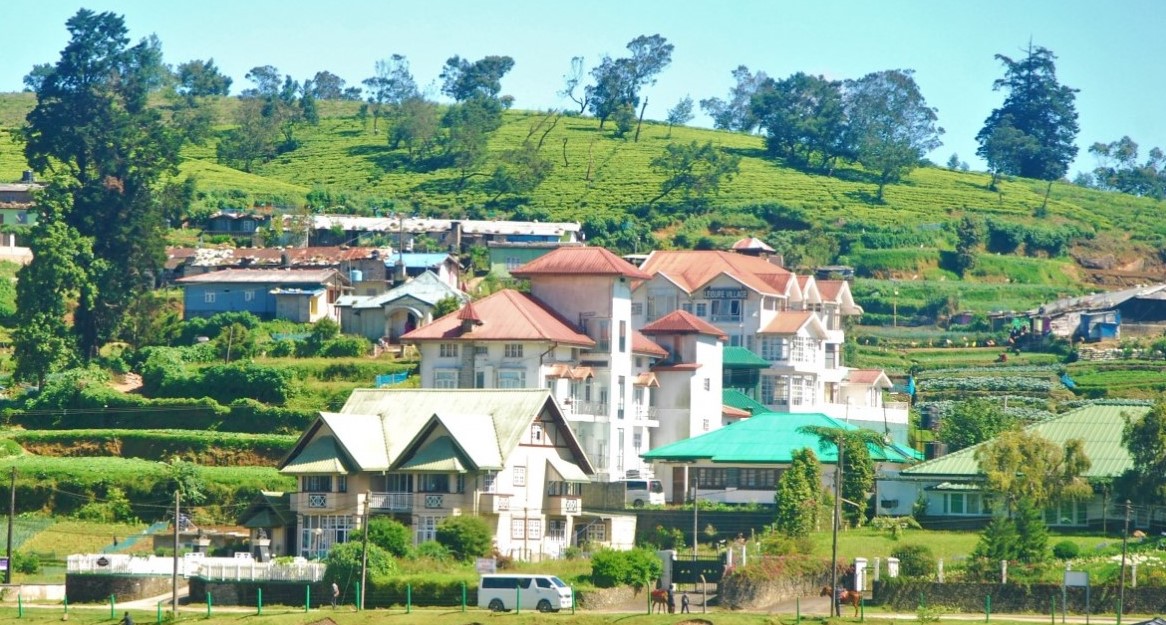
"From taro cultivation in Bogor to village tourism in Banyumas, every village has a story worth telling — and an opportunity worth sharing."
Seven areas of village knowledge
FolderDesa organizes its articles across these interconnected topics, each one grounded in real Indonesian village experience.
What you'll find on FolderDesa
Practical articles written by contributors who understand village life.
Agriculture & Cultivation
Articles on taro (talas bogor), dragon fruit, crystal guava, durian, oyster mushrooms, and tabulampot grapes — plus livestock such as dairy goats and Merino sheep.
Village-Owned Enterprises
Guides on establishing BUMDes, the differences from cooperatives, and why professional phased management matters for village economic growth.
Village Tourism
Coverage of destinations like Desa Karangkemiri in Banyumas, where outbound activities and a swimming pool helped tourism contribute Rp 50 million to village income in 2021.
Culinary Traditions
Indonesian village foods, Sundanese heritage dishes, spiced drinks, infused waters, seafood street-food ideas, and home-industry snack production.
Business Opportunities
From dried wood ear mushrooms and kopyor coconut seedlings to ecoprint crafting, bamboo crafts, and mina padi integrated rice-fish farming.
Village News & Community
Reports on social assistance programs like PKH, village governance structures, and practical tips such as safe homecoming travel during mudik season.
Building confident and safe village guides
A village guide does much more than lead visitors from one destination to another. They interpret landscapes, explain local customs, introduce village enterprises, and help guests understand daily life without turning the community into a performance. Good training therefore needs to combine communication skills with careful risk management.
In rural Indonesia, guides may work around rice fields, rivers, forests, historic sites, home industries, and traditional ceremonies. Each setting brings different stories and hazards. A guide who can speak warmly but cannot assess a slippery path may put visitors at risk; a guide who knows every safety rule but tells no meaningful story may fail to create a memorable experience.
The strongest village guide programs are practical, locally grounded, and repeated regularly. Training should use real routes, community knowledge, simple emergency procedures, and feedback from residents and visitors.
Start with local knowledge and purpose
Before teaching presentation techniques, village organizers should identify what the community wants visitors to understand. A farming village may focus on irrigation, crop cycles, food traditions, or forest conservation. A coastal community may highlight fishing practices, mangrove protection, and changes in shoreline livelihoods.
Guides should learn which stories are appropriate to share and which information requires permission. Family histories, sacred places, community disputes, and ceremonies may need respectful boundaries. This protects residents from unwanted exposure while helping guides speak with confidence about approved topics.
A simple village story bank can support the training. It may include the origin of a place name, the history of a BUMDes activity, a farmer’s innovation, a traditional recipe, or the meaning of a local craft. Each story should identify its source, key message, suitable audience, and any cultural restrictions.
Teach a clear storytelling structure
Visitors remember stories more easily when they have a beginning, a human experience, and a clear meaning. Guides can practice a simple structure: describe the place, introduce the people connected to it, explain a change or challenge, and end with why the story matters today.
Specific details make rural interpretation vivid. Instead of saying that a village grows rice, a guide might explain how farmers read the condition of the soil, coordinate irrigation, or protect seedlings from pests. A short account of one farmer’s routine can communicate more than a long list of agricultural facts.
Training should also cover voice, pace, posture, and listening. Guides need to pause for translation, watch visitors’ reactions, and invite observation without turning every moment into a quiz. Stories should be adapted for children, domestic tourists, international visitors, older guests, and people with limited mobility.
Practice responsible interpretation
Storytelling must respect the people and environment that make a destination attractive. Guides should ask before photographing residents, avoid exaggerated claims, and never present poverty or private hardship as entertainment. Visitors can learn about village challenges through accurate explanations that preserve dignity.
Environmental interpretation should lead to responsible behavior. A guide can explain why guests should stay on a marked path, avoid touching coral, reduce plastic waste, or keep noise low near livestock and homes. The explanation works better when connected to local consequences, such as damaged crops, disturbed birds, or extra waste for residents to manage.
Village tourism groups can coordinate with homestays, food producers, and community organizations so that messages remain consistent. Information about local businesses and BUMDes activities should be accurate, current, and transparent about prices, schedules, and how visitor spending supports the community.
Build safety into every route
Safety training begins with a route assessment. Guides should walk each itinerary and record steep sections, loose stones, deep water, narrow bridges, aggressive animals, poor lighting, mobile signal gaps, and locations where help can be requested. The assessment should be updated during the rainy season and after construction or land changes.
A basic risk matrix helps guides prioritize action. They can rate hazards by likelihood and potential impact, then decide whether to remove a stop, add protective equipment, change the route, or give a stronger briefing. Risks should be explained calmly, without frightening guests or hiding important information.
| Area | Guide practice | Useful preparation |
|---|---|---|
| Walking routes | Check footing, shade, distance, and rest points | Suitable footwear advice, water, first-aid kit |
| Rivers and waterfalls | Set boundaries and monitor weather | Life jackets where needed, no-entry zones |
| Food activities | Explain allergens, heat, knives, and hygiene | Clean tools, ingredient information, handwashing |
| Cultural visits | Follow dress, photography, and conduct rules | Permission from hosts, briefing before arrival |
| Emergencies | Keep the group together and communicate clearly | Contact list, meeting point, transport plan |
Guides should know how to respond to common incidents such as minor cuts, dehydration, heat exhaustion, falls, lost visitors, and sudden heavy rain. First-aid training from a qualified provider is valuable, but the operational basics matter too: who calls emergency services, who stays with the injured person, who manages the group, and who contacts local authorities or family members.
Use briefings and check-ins
A safety briefing should happen before the activity starts, using language visitors can understand. It can cover walking conditions, weather, clothing, prohibited actions, meeting points, and what to do if someone becomes separated. The guide should ask guests to repeat or demonstrate important instructions when the risk is significant.
Head counts are simple but essential. Guides can count participants before departure, at transitions, after rest breaks, and when returning to the village. A buddy system works well for school groups and larger tours. For walking activities, the guide should position themselves where the whole group remains visible or appoint a trained assistant at the rear.
Weather monitoring deserves special attention in villages near hills, rivers, and coastlines. A guide should have authority to delay or cancel an activity when conditions become unsafe. Clear cancellation rules prevent pressure from visitors or tour operators from influencing a decision that should protect people.
Train through simulation and feedback
Classroom lessons are useful, but guides improve fastest through practice. Each trainee can lead a short route while another participant acts as a visitor, asks unexpected questions, or reports a minor problem. Trainers then review both storytelling and safety behavior.
Scenarios should include a guest who walks away from the group, a child who becomes tired, rain beginning during a farm visit, a visitor with a food allergy, and a guest who ignores a cultural rule. Role-play helps guides remain calm and follow procedures rather than improvising under stress.
A practical assessment can combine several measures:
- Accuracy and respect in explaining local history
- Clear voice, pacing, translation, and visitor engagement
- Correct use of route checks, briefings, and head counts
- Ability to identify hazards and make safe decisions
- Calm communication during an emergency simulation
After every tour, guides should record what went well, what confused visitors, and which hazards appeared. Monthly review meetings can turn these observations into route improvements, updated scripts, and refresher sessions. Experienced farmers, health workers, elders, and rescue personnel can all contribute useful knowledge.
A well-trained village guide becomes a bridge between visitors and the community. By combining authentic stories with disciplined safety habits, villages can create tourism experiences that are welcoming, educational, and dependable. Begin with one route, document its risks, gather local stories, and run a supervised practice tour before expanding the program.

Questions or story ideas from your village?
FolderDesa welcomes readers who want to share village experiences or learn more about the topics covered on the site.
Visit the Contact Page