
FolderDesa brings together practical knowledge on farming, village-owned enterprises, culinary traditions, rural tourism, and small-business ideas — all rooted in the everyday life of Indonesian villages.
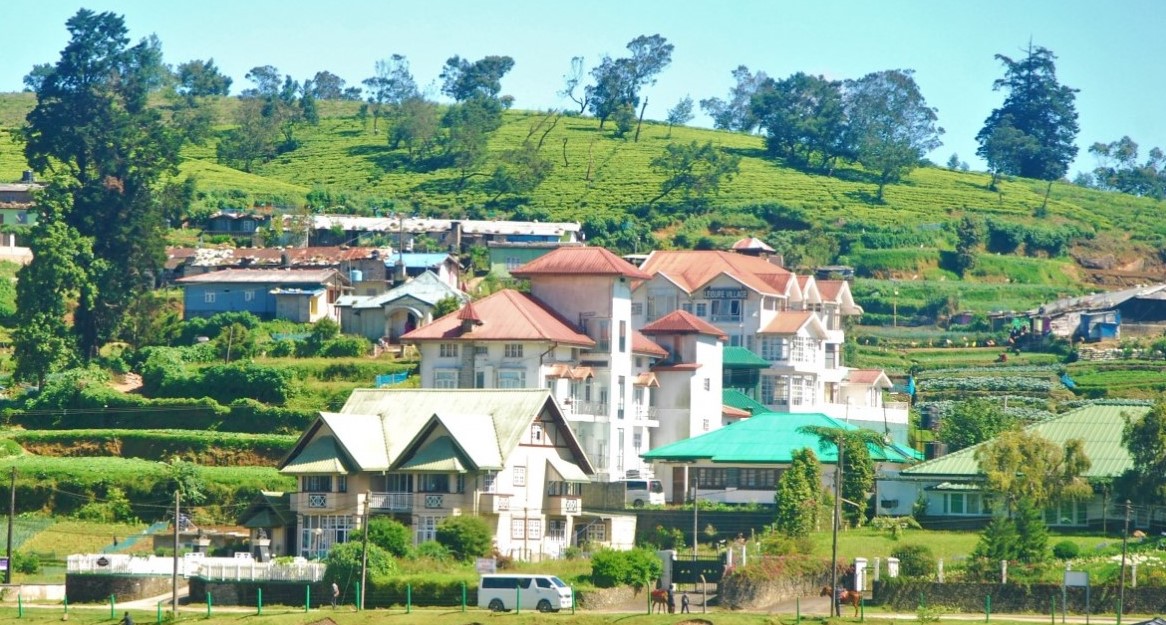
"From taro cultivation in Bogor to village tourism in Banyumas, every village has a story worth telling — and an opportunity worth sharing."
Seven areas of village knowledge
FolderDesa organizes its articles across these interconnected topics, each one grounded in real Indonesian village experience.
What you'll find on FolderDesa
Practical articles written by contributors who understand village life.
Agriculture & Cultivation
Articles on taro (talas bogor), dragon fruit, crystal guava, durian, oyster mushrooms, and tabulampot grapes — plus livestock such as dairy goats and Merino sheep.
Village-Owned Enterprises
Guides on establishing BUMDes, the differences from cooperatives, and why professional phased management matters for village economic growth.
Village Tourism
Coverage of destinations like Desa Karangkemiri in Banyumas, where outbound activities and a swimming pool helped tourism contribute Rp 50 million to village income in 2021.
Culinary Traditions
Indonesian village foods, Sundanese heritage dishes, spiced drinks, infused waters, seafood street-food ideas, and home-industry snack production.
Business Opportunities
From dried wood ear mushrooms and kopyor coconut seedlings to ecoprint crafting, bamboo crafts, and mina padi integrated rice-fish farming.
Village News & Community
Reports on social assistance programs like PKH, village governance structures, and practical tips such as safe homecoming travel during mudik season.
Setting up a village coconut shell charcoal briquette business
Indonesia produces millions of tonnes of coconuts each year, and the hard shells are often burned as waste in the villages where the palms grow. Across Java, Sumatra, and Sulawesi, community groups have begun turning that shell into high-heat charcoal briquettes for shisha, barbecue, and industrial use. The product burns longer than wood charcoal, produces less smoke, and fits neatly into the circular economy model that many rural enterprises are chasing.
For Australian buyers, the timing is favourable. Demand for natural lump charcoal and briquettes has climbed in Melbourne, Sydney, and Brisbane as backyard cooking and Middle Eastern-style cafes expand. Importers in Fremantle have started searching for steady suppliers in Indonesia who can meet volume, moisture, and ash content standards. A well-organised village operation can step into this gap, especially one connected to the wider network of rural enterprises featured on FolderDesa.
Understanding the raw material base
A reliable supply of dry coconut shell is the foundation of any briquette venture. Shells should ideally be collected within 48 hours of dehusking, then spread on raised platforms to sun-dry until the moisture content drops below 15 percent. Villages in Lampung, North Sulawesi, and East Java already have collection networks tied to copra processors, which makes them strong starting points. Buying wet shell lowers cost but extends the drying cycle, so the budget should reflect either extra floor space or a covered dryer.
Storage matters as much as drying. Mouldy or insect-infested shell lowers fixed carbon and turns away premium buyers. A simple concrete shed with airflow on three sides keeps the stockpile usable for up to six months. Many Australian importers now ask for traceability paperwork that lists the village origin, harvest month, and drying method, so keeping a written log from day one saves paperwork later.
Choosing equipment and production scale
The technology choice defines both the budget and the type of buyer you can serve. A manual setup using hand presses suits a producer making pillow-shaped briquettes for local markets and a few regional traders. A semi-automatic line with a hammer mill, mixer, and hydraulic press handles half a tonne per day and meets the specs of export brokers in Perth. A fully automatic extruder line with a continuous carbonisation furnace targets larger container loads bound for distributors in Sydney.
| Feature | Manual setup | Semi-automatic line | Fully automatic line |
|---|---|---|---|
| Daily output | 100–200 kg | 400–700 kg | 1.5–3 tonnes |
| Initial investment | AUD 2,000–5,000 | AUD 15,000–30,000 | AUD 80,000+ |
| Labour needed | 4–6 workers | 6–10 workers | 8–12 workers |
| Typical buyer | Local markets | Regional exporters | International distributors |
| Briquette shape | Pillow, egg | Pillow, hexagon | Stick, hexagon, custom |
Most Indonesian villages begin with the manual tier, then upgrade once a steady order book is in hand. Whatever the scale, a calibrated moisture meter, a digital scale, and a basic calorimeter test kit should be in the workspace from the first batch.
Production workflow and quality control
The production sequence has six clear steps. First, shells are carbonised in a kiln or retort at around 400 to 700 degrees Celsius. Second, the charcoal is crushed and sieved into a uniform powder. Third, a binder such as cassava starch or natural tapioca is mixed in at roughly five to ten percent by weight. Fourth, the mixture is fed into a press to form briquettes. Fifth, the pressed pieces are sun-dried or oven-dried to under eight percent moisture. Sixth, the finished briquettes are packed into kraft bags or shrink-wrapped blocks for shipping.
Quality control should focus on four numbers: fixed carbon above 75 percent, ash below six percent, moisture under eight percent, and burning time above two hours per kilo. Indonesia's national standard SNI 06-3730 covers briquettes and is recognised by halal certifiers. A small lab at a polytechnic or agricultural office can run the tests for a modest fee, and the results become part of your sales kit.
Reaching Australian buyers
Australia treats coconut charcoal as a regular commercial import, and the entry points are well known. Direct-to-consumer sales work through online platforms, but volume comes from wholesalers in Melbourne and Brisbane who supply barbecue chains, hookah lounges, and the Asian grocery network. Trade events and Indonesian trade offices in Perth run buyer-matching programs that have placed several village cooperatives in steady contracts.
Logistics usually route through the ports of Tanjung Priok or Surabaya to either Fremantle or Sydney, with a transit time of 14 to 21 days. Phytosanitary certificates, a certificate of origin, and lab test results are the three documents Australian customs routinely check.
- Pick a target buyer profile before investing in machinery.
- Register your brand with the Indonesian Ministry of Law and Human Rights.
- Prepare bilingual labels listing origin, moisture, and burning time.
- Reserve a 20-foot container slot at the nearest port to lock in shipping rates.
Financing through village cooperatives
Briquette machinery rarely fits the cash flow of a single farming household, so pooled finance is the practical path. A BUMDes or village-owned enterprise can absorb the equipment cost, then lease the press to the producer group at a fixed rate. Where a credit union already exists, members can borrow against future harvest income rather than land titles, which keeps collateral simple and family land untouched. Guidance on organising such a fund is available in the article on managing a village credit union, which walks through share capital, lending rules, and oversight committees.
A realistic first-year plan might look like this:
- Form a producer cooperative of 10 to 15 farmers with at least 30 tonnes of annual shell supply.
- Apply for a matched grant through the village fund (Dana Desa) for equipment purchase.
- Set aside ten percent of monthly revenue for kiln repairs and spare parts.
- Reinvest profits into a second press before raising prices on existing buyers.
Once the first two containers have shipped and cleared customs without rejection, the cooperative is ready to negotiate long-term contracts with Australian distributors. The most useful next step is to visit the nearest agricultural extension office and book a feasibility study appointment, which will map local shell supply, equipment options, and cooperative partners in a single written report.

Questions or story ideas from your village?
FolderDesa welcomes readers who want to share village experiences or learn more about the topics covered on the site.
Visit the Contact Page