
FolderDesa brings together practical knowledge on farming, village-owned enterprises, culinary traditions, rural tourism, and small-business ideas — all rooted in the everyday life of Indonesian villages.
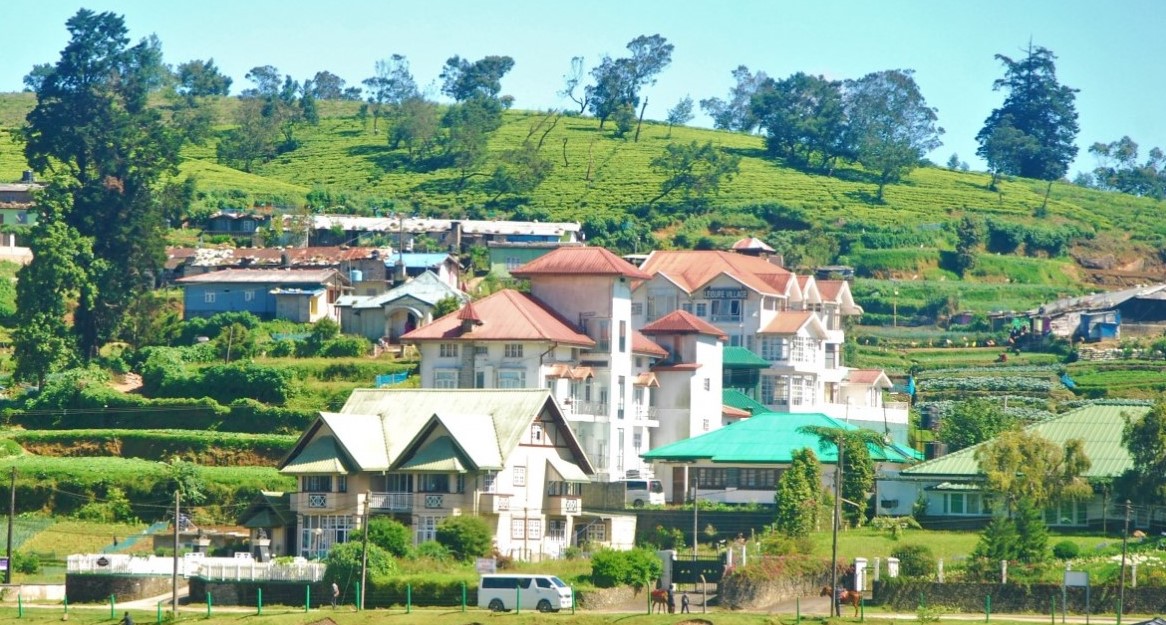
"From taro cultivation in Bogor to village tourism in Banyumas, every village has a story worth telling — and an opportunity worth sharing."
Seven areas of village knowledge
FolderDesa organizes its articles across these interconnected topics, each one grounded in real Indonesian village experience.
What you'll find on FolderDesa
Practical articles written by contributors who understand village life.
Agriculture & Cultivation
Articles on taro (talas bogor), dragon fruit, crystal guava, durian, oyster mushrooms, and tabulampot grapes — plus livestock such as dairy goats and Merino sheep.
Village-Owned Enterprises
Guides on establishing BUMDes, the differences from cooperatives, and why professional phased management matters for village economic growth.
Village Tourism
Coverage of destinations like Desa Karangkemiri in Banyumas, where outbound activities and a swimming pool helped tourism contribute Rp 50 million to village income in 2021.
Culinary Traditions
Indonesian village foods, Sundanese heritage dishes, spiced drinks, infused waters, seafood street-food ideas, and home-industry snack production.
Business Opportunities
From dried wood ear mushrooms and kopyor coconut seedlings to ecoprint crafting, bamboo crafts, and mina padi integrated rice-fish farming.
Village News & Community
Reports on social assistance programs like PKH, village governance structures, and practical tips such as safe homecoming travel during mudik season.
Septic Tank Cleaning as a Village Enterprise in Indonesia
Across thousands of Indonesian villages, septic tanks are pumped by informal operators using borrowed trucks, or simply left to overflow. A village-owned enterprise (BUMDes) running a proper cleaning service can replace that chaos with a reliable business and healthier neighbourhoods.
Australia offers a useful mirror. In regional New South Wales and rural Queensland, onsite sewage systems are the only option outside town sewerage. Small family operators have built sound businesses around scheduled pump-outs in towns like Dubbo, Ballina, and on the rural fringes of Hobart. A formal, regulated service can be both a community utility and a paying enterprise.
Setting one up takes more than a truck and a pump. It needs an organisational structure the village trusts, trained staff, clear pricing, a route plan, and an ongoing relationship with the local health authority.
This article walks through how to start and run such a service, drawing on experience from Indonesian rural cooperatives and the waste-service models that work in Australian country towns.
Why Septic Services Matter
Rural statistics put the share of Indonesians relying on onsite sanitation well above 80 percent. In many villages, tanks were never properly sited, are undersized, and have never been emptied. When a tank leaks into a well, the consequences fall hardest on children and the elderly.
The economic case is also strong. Households pay for irregular pump-outs, sometimes to operators from the next regency who may or may not return. A local service can charge a fair price, schedule visits twice a year per household, and build recurring revenue. Around fifty scheduled customers a week keeps a small truck, two workers, and a manager steadily employed.
Australian operators in places like the Huon Valley often run on roughly this density. A BUMDes can do something similar at slightly larger scale, with shared equipment and shared accountability. A village enterprise that takes care to document and preserve its work — every visit logged, every household receipted, every disposal site recorded — becomes the natural partner for regency subsidy programmes that reward regular desludging.
Legal Setup and Organisational Structure
A septic tank cleaning service cannot legally operate as an informal side business in most regencies. It must sit within a recognised body, almost always a BUMDes or a village cooperative (koperasi). The cooperative form is preferable because households using the service can become members and share in any surplus.
The shareholders' meeting needs to approve the service as a new unit, appoint a manager, and allocate initial capital. Realistic startup costs run from Rp180 to Rp280 million for a used vacuum truck, hoses, PPE, a small office, and around six months of operating cash. Many Australian operators dispose of waste at a council-run facility; the Indonesian equivalent is usually a regency-owned

Questions or story ideas from your village?
FolderDesa welcomes readers who want to share village experiences or learn more about the topics covered on the site.
Visit the Contact Page