
FolderDesa brings together practical knowledge on farming, village-owned enterprises, culinary traditions, rural tourism, and small-business ideas — all rooted in the everyday life of Indonesian villages.
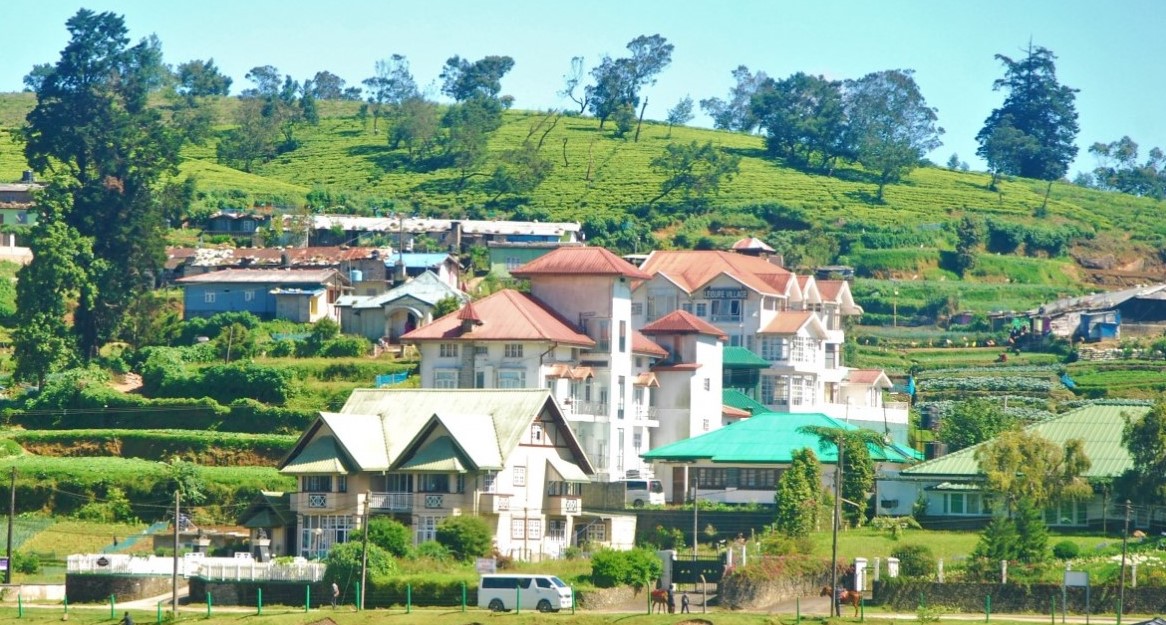
"From taro cultivation in Bogor to village tourism in Banyumas, every village has a story worth telling — and an opportunity worth sharing."
Seven areas of village knowledge
FolderDesa organizes its articles across these interconnected topics, each one grounded in real Indonesian village experience.
What you'll find on FolderDesa
Practical articles written by contributors who understand village life.
Agriculture & Cultivation
Articles on taro (talas bogor), dragon fruit, crystal guava, durian, oyster mushrooms, and tabulampot grapes — plus livestock such as dairy goats and Merino sheep.
Village-Owned Enterprises
Guides on establishing BUMDes, the differences from cooperatives, and why professional phased management matters for village economic growth.
Village Tourism
Coverage of destinations like Desa Karangkemiri in Banyumas, where outbound activities and a swimming pool helped tourism contribute Rp 50 million to village income in 2021.
Culinary Traditions
Indonesian village foods, Sundanese heritage dishes, spiced drinks, infused waters, seafood street-food ideas, and home-industry snack production.
Business Opportunities
From dried wood ear mushrooms and kopyor coconut seedlings to ecoprint crafting, bamboo crafts, and mina padi integrated rice-fish farming.
Village News & Community
Reports on social assistance programs like PKH, village governance structures, and practical tips such as safe homecoming travel during mudik season.
How to preserve your village’s oral history for the future
Every village carries a living record of its past in the memories of elders, farmers, artisans, traders, religious leaders, and families. These stories explain how land was opened, customs developed, disasters were survived, and local businesses grew. When they remain only in personal memory, they can disappear quickly as generations change.
Documenting and preserving oral histories in your village creates a community archive that reflects local voices. It can support education, cultural tourism, village planning, traditional craft promotion, and a stronger sense of identity. The process does not require expensive equipment, but it does require patience, respect, and careful organization.
A successful project should make residents feel that their experiences are valued rather than extracted. The best village history collection combines recorded interviews with photographs, letters, maps, recipes, songs, objects, and written notes that provide context.
Why oral history matters
Official records often focus on government decisions, infrastructure, and major events. Oral history adds the perspective of people who planted the first crops, managed irrigation, built community halls, preserved ceremonies, or operated informal markets. It shows how development affected daily life and how residents responded to change.
These accounts can also reveal practical knowledge. An elder may remember traditional planting calendars, methods for protecting wells, or local signs of changing weather. A former village official may explain how a cooperative was established. A cook may preserve the original meaning of a ceremonial dish. Such knowledge can support current programs and prevent valuable experience from being lost.
For young residents, recorded memories create a bridge between generations. Listening to familiar people describe the village before roads, mobile phones, or electricity can make local history more relevant than a distant textbook.
Build a trustworthy project
Begin with a small team of two to five people. Include a village youth representative, someone comfortable with audio or video, a person familiar with local customs, and, where possible, a teacher, librarian, or village official. Agree on the project’s purpose, target communities, recording schedule, and storage method before the first interview.
Create a simple list of potential narrators. Look beyond prominent figures to include farmers, women managing household enterprises, traditional healers, migrant workers, craftspeople, fishermen, and residents from different hamlets. A balanced archive should include varied ages, occupations, genders, and social experiences.
Meet each narrator before recording. Explain the project in plain language, how the material may be used, and whether the interview will be public or restricted. Written consent is useful, but verbal consent recorded at the beginning can also help when literacy or paperwork is a concern.
Prepare questions that invite memories
Good oral history questions are open-ended and specific. Ask, “What was this place like when you were young?” rather than, “Was the village poor at that time?” Follow up with prompts about people, locations, tools, seasons, sounds, and emotions. Avoid correcting a narrator during the interview, even if another source tells the story differently.
Useful themes include migration, agriculture, traditional ceremonies, village markets, food, education, conflict resolution, natural disasters, religious life, local leadership, and changes in land use. Ask narrators to identify people and places in old photographs. If they mention a song, recipe, proverb, or craft technique, ask whether they are willing to demonstrate or explain it.
Use a quiet room and test the recording device first. A smartphone can produce good results when placed close to the speaker, with airplane mode enabled and a backup power source nearby. Record the date, location, narrator’s full name, preferred spelling, language or dialect, and interviewer’s name at the start.
Organize recordings and protect consent
A village archive needs consistent files and clear permissions. Save the original recording without editing, then create a working copy for trimming or transcription. Use filenames that include the date, narrator, and topic. Keep at least two backups in separate locations, such as an external drive and a trusted cloud account.
| Archive item | Recommended practice | Common risk |
|---|---|---|
| Audio or video | Keep the original file and a clear edited copy | Accidental deletion or poor sound |
| Transcript | Add speaker names, dates, places, and local terms | Meaning lost through careless translation |
| Photographs | Scan at high quality and record captions | People or locations become unidentified |
| Consent record | Note public, educational, commercial, or restricted use | Disputes over future publication |
| Storage log | Review files regularly and keep duplicate backups | Archive becomes impossible to search |
Transcription should preserve the narrator’s meaning and distinctive expressions. If the interview uses a local language, keep the original-language version and add an Indonesian or English translation when appropriate. Mark uncertain words rather than guessing. Ask another local speaker to check names, place references, and cultural terms.
Privacy deserves special attention. A narrator may discuss family conflict, land disputes, political events, or painful memories. Offer choices such as immediate publication, delayed release, community-only access, or complete restriction. If a person changes their mind before publication, discuss the request respectfully and follow the consent agreement.
Connect memory with village development
Oral history becomes more useful when it is connected to places and current community work. Create a simple village memory map showing old wells, former market sites, sacred trees, irrigation routes, traditional homes, or areas affected by flooding. Each location can link to an interview, photograph, or short written explanation.
The archive can support village tourism without turning residents’ experiences into entertainment. Visitors may learn about traditional cuisine through recorded family recipes, understand the history behind a harvest ceremony, or meet artisans who explain their techniques. Any tourism use should credit narrators and return benefits to the community.
It can also complement practical development programs. Memories about cleanliness, shared labor, and river management may enrich a village waste bank guide, especially when residents recall older systems of reuse and neighborhood cooperation. The archive should inform present action while respecting the differences between past and current conditions.
Make the archive accessible and active
Do not leave recordings on a single computer. Prepare short transcripts, captioned clips, photo exhibits, school activity sheets, or a small website section. A village hall, library, school, or BUMDes office can host listening sessions where residents review materials and correct mistakes.
Invite narrators and their families to a public presentation before publishing widely. This gives the community a chance to add names, clarify dates, and identify sensitive content. It also demonstrates that the archive belongs to the village rather than only to the project team.
Practical steps for a lasting collection
- Set a realistic first target, such as ten interviews from different generations and occupations.
- Use a consent form that explains storage, translation, publication, and withdrawal procedures.
- Record a short metadata sheet for every file, including names, places, dates, keywords, and restrictions.
- Train young volunteers in interviewing, audio recording, transcription, file naming, and respectful conduct.
- Schedule an annual archive day to review backups, add new stories, and return copies to participating families.
A preservation project should have a custodian after the initial enthusiasm fades. The village government, school, library, cultural group, or BUMDes can share responsibility for maintaining files and permissions. A written handover record will help future volunteers understand the archive’s structure.
Every interview is a relationship as much as a research activity. Thank narrators, provide them with copies, correct errors openly, and acknowledge their contribution whenever their stories are used. With careful consent, reliable storage, and community participation, everyday memories can become a durable resource for village identity and development.
Start with one recorder, a small team, and a few trusted elders. Set a date for the first conversation, preserve the original files, and invite the wider community to help build an archive that future generations can hear, read, and recognize as their own.

Questions or story ideas from your village?
FolderDesa welcomes readers who want to share village experiences or learn more about the topics covered on the site.
Visit the Contact Page