
FolderDesa brings together practical knowledge on farming, village-owned enterprises, culinary traditions, rural tourism, and small-business ideas — all rooted in the everyday life of Indonesian villages.
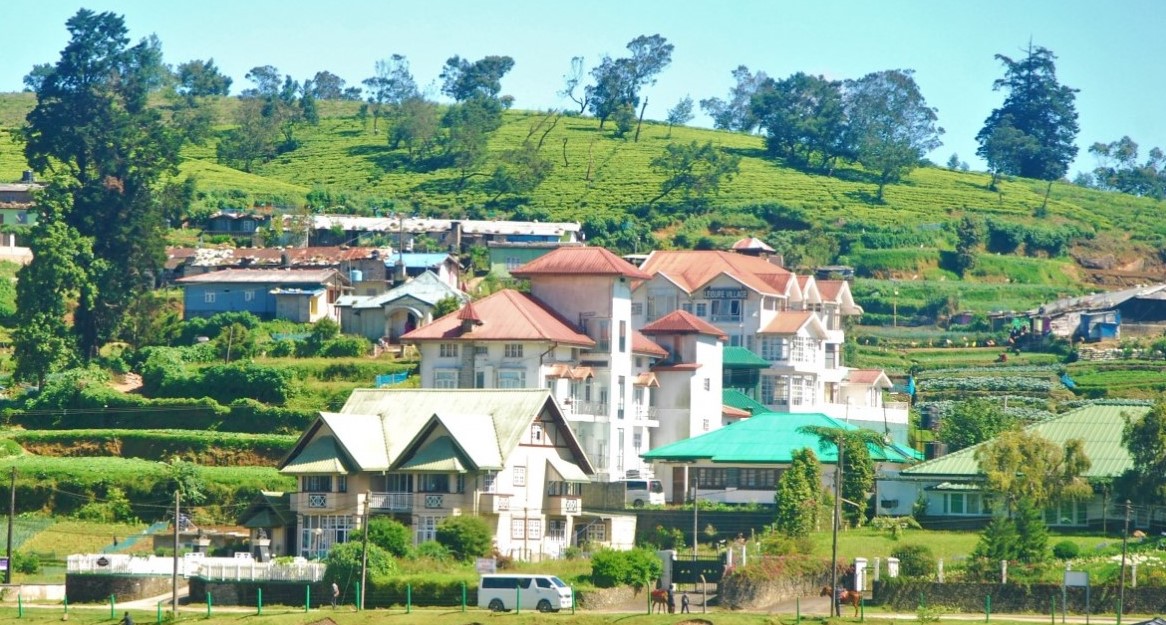
"From taro cultivation in Bogor to village tourism in Banyumas, every village has a story worth telling — and an opportunity worth sharing."
Seven areas of village knowledge
FolderDesa organizes its articles across these interconnected topics, each one grounded in real Indonesian village experience.
What you'll find on FolderDesa
Practical articles written by contributors who understand village life.
Agriculture & Cultivation
Articles on taro (talas bogor), dragon fruit, crystal guava, durian, oyster mushrooms, and tabulampot grapes — plus livestock such as dairy goats and Merino sheep.
Village-Owned Enterprises
Guides on establishing BUMDes, the differences from cooperatives, and why professional phased management matters for village economic growth.
Village Tourism
Coverage of destinations like Desa Karangkemiri in Banyumas, where outbound activities and a swimming pool helped tourism contribute Rp 50 million to village income in 2021.
Culinary Traditions
Indonesian village foods, Sundanese heritage dishes, spiced drinks, infused waters, seafood street-food ideas, and home-industry snack production.
Business Opportunities
From dried wood ear mushrooms and kopyor coconut seedlings to ecoprint crafting, bamboo crafts, and mina padi integrated rice-fish farming.
Village News & Community
Reports on social assistance programs like PKH, village governance structures, and practical tips such as safe homecoming travel during mudik season.
Building a village homestay network for rural tourism
A handful of well-kept rooms in a coastal Javanese village, a family kitchen serving nasi uduk at sunrise, a guide who knows every rice paddy track — these small pieces, stitched together, can become a serious drawcard. Across Indonesia, village governments and BUMDes are starting to see homestays not as side income but as the backbone of community-based tourism. The shift is partly practical: travellers from Sydney and Melbourne are already booking weekends away through platforms that flag authentic, family-run lodging, and they are willing to pay for the story behind the door.
What separates a scattered set of guesthouses from a proper rural hospitality network is shared standards, shared bookings, and a shared sense of what the village wants to be. Done well, a homestay cluster turns underused family homes into reliable income, keeps tourist dollars inside the community, and gives farmers, batik makers, and warung owners a steady stream of visitors. Done badly, it ends in mismatched bookings, inconsistent service, and disappointed guests who never return.
Why a network outperforms a single homestay
One homestay is a cottage industry. A network of ten, twenty, or thirty properties becomes a product. Travellers planning a Bali-to-East-Java loop, or a long weekend from Brisbane, want to know that every night of their trip will meet a baseline of comfort. They book with confidence when a single brand or cooperative stands behind each home, even if the rooms differ in size or style.
A network also spreads demand. When one village hits peak season — perhaps around a traditional harvest festival — neighbouring hosts can take overflow bookings. In slow weeks, the group can run shared experiences: cooking classes, river walks, or batik workshops, that pull in visitors regardless of which house they sleep in. The economics improve when households cooperate rather than compete for the same handful of tourists.
Setting standards without killing character
Standardisation is the word most homestay owners fear, and rightly so. Guests do not travel to a Bugis fishing village or a Toraja highland settlement to find the same towels they left at home. Standards should cover the things that matter to safety and comfort: clean linen, working bathrooms, secure doors, mosquito screens, hot water where possible, and a printed house manual.
Everything else can stay local. Handwoven bed runners, family photos on the wall, a veranda used for drying coffee beans — these are features, not flaws. Australian farm-stay operators in Margaret River and the Barossa have learnt the same lesson: the rough edges of rural life are often the reason people book. Train hosts to keep a checklist of essentials, then step back and let personality do the selling.
Pricing, bookings, and the Australian market
Pricing a village homestay is partly arithmetic and partly nerve. Look at what comparable guesthouses in places like Ubud, Lombok, or Flores charge, then adjust for what your network offers: meals, guided walks, transport. Many village networks land between AUD 35 and AUD 70 per night for a double room with breakfast, which sits comfortably below what a similar stay in Yarra Valley or the Hunter Valley would cost.
Bookings now arrive through many doors: walk-in travellers, WhatsApp messages, Indonesian platforms like Traveloka and Tiket, and overseas channels such as Airbnb and Booking.com. A small booking manager, often a youth from the village with a laptop and decent English, can hold the system together. Keep a single shared calendar so two hosts never double-book the same guest, and agree on a fair split of commission between the network and the individual home.
Training hosts and welcoming international guests
Most village hosts are warm, generous, and deeply hospitable. What they sometimes lack is the small, repeatable habits that international travellers quietly expect. A short training programme — eight to twelve hours, spread over a few weekends — covers the basics: greeting, breakfast timing, laundry handling, and how to explain local customs without sounding rehearsed.
Pair new hosts with experienced ones for the first season. Encourage simple English phrases, a folder of menus with photos, and a printed one-pager covering nearby clinics, mosques, and transport options. Travellers from Adelaide or Perth often arrive in rural Indonesia with little Indonesian, so visual menus and patient pointing go a long way. A quick briefing on footwear customs at temples, modest dress in conservative villages, and water safety can save a host from awkward moments.
Marketing the village, not just the room
A homestay network should not market itself as a hotel. The story is the village: the morning call to prayer, the rice harvest in March, the walk to a waterfall, the grandmother who still weaves. Encourage each host to share short videos of daily life on a shared Instagram or TikTok account, tagged with the village name and key activities. Pitch travel writers in Melbourne and Sydney who specialise in slow or regenerative travel; they are always looking for off-grid stories.
Local tourism boards, the Ministry of Tourism's village programmes, and regional creative-economy offices can help with brochures, signage, and listings on international platforms. Cross-promote with homestays in nearby villages so a traveller staying three nights in one place is gently nudged toward the next network down the road. A printable trail map, with each host marked and a short note about the family, becomes a quiet salesperson sitting in every guest room.
Managing risk through the seasons
Rural Indonesia has its own rhythm of risk. Wet season floods, dry-season fires, dengue outbreaks, and the occasional volcanic alert can disrupt bookings overnight. A mature network writes a simple risk plan before the first guest arrives: who calls whom, which host can shift bookings, what to do if a road washes out. The principles are not so different from how South Australian grape growers plan for bushfire season — assume disruption, plan alternate routes, communicate early.
Climate-linked disruptions are becoming a regular feature rather than a rare shock, so it helps to study local approaches to community flood preparedness and adapt them to tourism. Carry traveller insurance details on file, register every guest with the local warung owner or village security post, and keep an emergency cash float for last-minute evacuations or medical referrals. A short SMS template in English reassures worried families back home and protects the network's reputation.
Funding, cooperatives, and long-term viability
Money is rarely the first problem; sustaining it is. Start small, with three to five trusted hosts, and grow only when occupancy stays above sixty percent for two consecutive seasons. A BUMDes or village cooperative is a natural home for the network because it can hold the brand, manage the bank account, and reinvest profits in shared facilities such as a guest lounge, a parking area, or a small craft shop.
Tap into grant schemes for creative economy, sustainable tourism, and rural women's enterprises. Some Australian NGOs running Asia-Pacific programmes — including those based in Darwin and Sydney — fund village tourism pilots that meet clear social and environmental goals. Match their criteria early so the application work does not eat into the season, and keep receipts, guest numbers, and impact stories ready to share.
Pick one host this week and walk through their home with a fresh traveller's eye. Note three small fixes — a better pillow, a clearer house manual, a brighter entrance light — and make them before the next booking arrives.

Questions or story ideas from your village?
FolderDesa welcomes readers who want to share village experiences or learn more about the topics covered on the site.
Visit the Contact Page