
FolderDesa brings together practical knowledge on farming, village-owned enterprises, culinary traditions, rural tourism, and small-business ideas — all rooted in the everyday life of Indonesian villages.
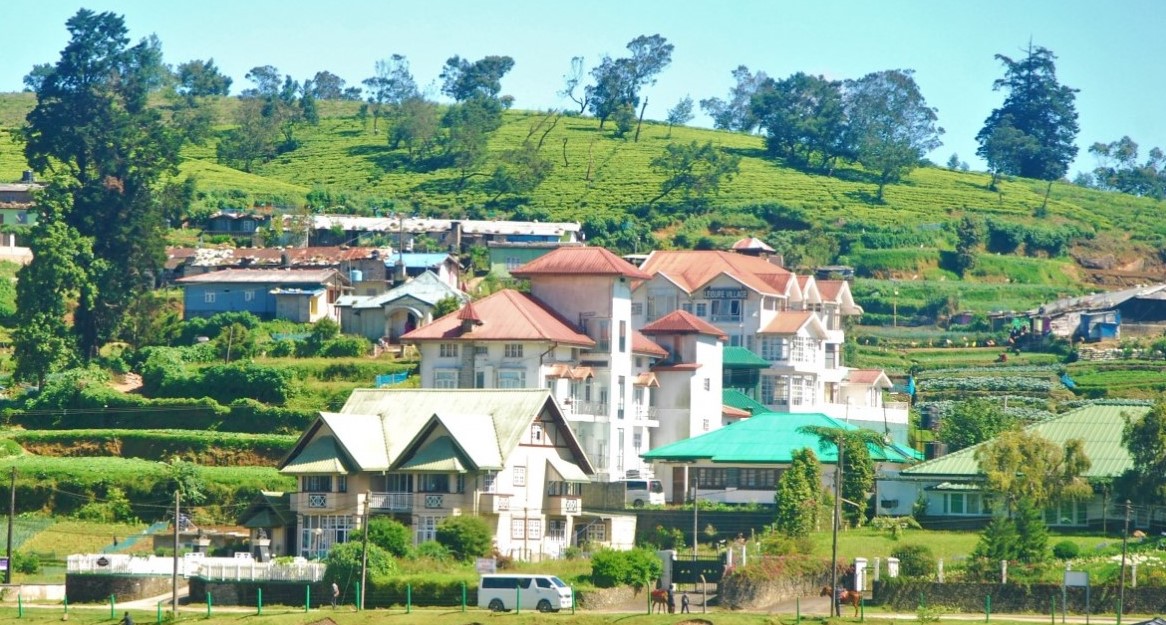
"From taro cultivation in Bogor to village tourism in Banyumas, every village has a story worth telling — and an opportunity worth sharing."
Seven areas of village knowledge
FolderDesa organizes its articles across these interconnected topics, each one grounded in real Indonesian village experience.
What you'll find on FolderDesa
Practical articles written by contributors who understand village life.
Agriculture & Cultivation
Articles on taro (talas bogor), dragon fruit, crystal guava, durian, oyster mushrooms, and tabulampot grapes — plus livestock such as dairy goats and Merino sheep.
Village-Owned Enterprises
Guides on establishing BUMDes, the differences from cooperatives, and why professional phased management matters for village economic growth.
Village Tourism
Coverage of destinations like Desa Karangkemiri in Banyumas, where outbound activities and a swimming pool helped tourism contribute Rp 50 million to village income in 2021.
Culinary Traditions
Indonesian village foods, Sundanese heritage dishes, spiced drinks, infused waters, seafood street-food ideas, and home-industry snack production.
Business Opportunities
From dried wood ear mushrooms and kopyor coconut seedlings to ecoprint crafting, bamboo crafts, and mina padi integrated rice-fish farming.
Village News & Community
Reports on social assistance programs like PKH, village governance structures, and practical tips such as safe homecoming travel during mudik season.
Managing Seasonal Floods Through Village Preparedness
Seasonal flooding is a recurring reality for many Indonesian villages, especially during intense monsoon rainfall, river overflow, coastal tides, and blocked drainage. The effects reach far beyond submerged roads. Floodwater can damage rice fields, livestock shelters, wells, bridges, schools, small shops, and village tourism facilities.
A practical preparedness plan helps residents act before water levels become dangerous. It connects village officials, farmers, youth groups, health workers, business owners, and disaster-response volunteers around clear responsibilities. The plan should use local knowledge while adding simple tools such as rainfall monitoring, evacuation maps, emergency supplies, and communication channels.
Preparedness also protects the village economy. When communities understand which assets are most exposed and how quickly they can recover, they can reduce losses and maintain essential services during the rainy season.
Understand local flood risks
The first step is to record how flooding has affected the village in previous years. Residents can identify locations where water rises first, roads that become inaccessible, houses near riverbanks, low-lying farmland, and drainage channels that frequently overflow. Older residents often provide valuable information about flood depth, duration, and unusual water movement.
Village officials should combine this experience with current observations. Changes in land use, new housing, reduced vegetation, sediment-filled waterways, and damaged irrigation structures can alter the pattern of flood risk. A short annual review before the rainy season makes the plan more accurate than relying on old assumptions.
Flooding should be classified by severity. Minor inundation may affect fields for several hours, while a major event may require evacuation, temporary shelters, and outside assistance. Clear categories help residents understand when to monitor conditions and when to take immediate action.
Create a community hazard map
A hand-drawn map can be useful if it clearly marks rivers, canals, bridges, hills, evacuation routes, shelters, health posts, schools, wells, livestock areas, and homes occupied by older people or residents with disabilities. The map should also show safe gathering points that remain accessible when roads are wet.
Mapping works best as a participatory activity. Farmers can mark vulnerable crops, fishermen can identify tidal or river changes, and local drivers can explain which roads remain passable. Youth groups can turn the information into a digital map or share simplified versions through village messaging groups.
Place printed maps at the village office, community halls, schools, markets, and worship facilities. Each map should include emergency contact numbers and a date showing when it was last updated. A map is useful only when people can find it and understand its symbols.
Prepare homes, farms, and livestock
Households should keep important documents, medicines, phone chargers, flashlights, clean water, dry food, and basic clothing in waterproof containers. Families need an agreed meeting point in case members become separated. They should also know how to turn off electricity and gas safely when floodwater enters a home.
Farmers can reduce losses by moving seed, fertilizer, tools, and animal feed to raised storage areas. Livestock may need temporary pens on higher ground, while poultry and smaller animals require secure transport crates. Harvesting mature crops early can sometimes prevent total loss, especially when weather forecasts indicate prolonged rain.
Village-owned equipment such as boats, pumps, generators, tractors, and chainsaws should be listed and checked before the wet season. Assigning operators in advance prevents delays when everyone is trying to find tools at the same time.
Organize an emergency response system
A village response team should have defined roles for early warning, evacuation, first aid, transport, shelter management, cooking, communications, and security. The team does not need complex technology. A loudspeaker, phone tree, handheld radios, and designated messengers can provide reliable alerts when mobile networks fail.
Warning messages should be short and specific. They need to state the location, expected danger, action required, and place to seek help. For example, residents near a river may be told to move documents and livestock immediately, while families in a safer area are asked to prepare food and blankets for an evacuation center.
Conducting a drill before the rainy season reveals practical problems. A route may be blocked by parked vehicles, a shelter may lack toilets, or volunteers may not know who holds the emergency keys. Correcting these issues during a drill is safer and less expensive than discovering them during a real flood.
| Preparedness area | Essential village action | Responsible groups |
|---|---|---|
| Early warning | Monitor rainfall, river levels, and tidal conditions | Officials, volunteers, residents |
| Evacuation | Mark routes, gathering points, and transport options | Response team, drivers, youth groups |
| Shelter | Prepare water, sanitation, food, bedding, and lighting | Health workers, women’s groups |
| Agriculture | Move inputs, protect livestock, and assess crop exposure | Farmer groups, livestock owners |
| Communication | Maintain contact lists and backup alert methods | Village office, neighborhood leaders |
| Recovery | Record damage and prioritize urgent repairs | Officials, BUMDes, community leaders |
Protect health and village livelihoods
Floodwater can carry sewage, chemicals, sharp debris, and disease-causing organisms. Residents should avoid drinking untreated water and should protect food from contact with floodwater. Health workers can prepare oral rehydration supplies, basic medicines, disinfectant, and information about diarrhea, skin infections, leptospirosis, and mosquito-borne illnesses.
Businesses and BUMDes should create simple continuity plans. A village shop may move stock to a higher shelf, while a food producer can protect packaging, cooking equipment, and raw materials. Digital records of suppliers, customers, inventory, and financial transactions reduce confusion if paper documents are damaged. Communities seeking ways to strengthen local income can also review village business opportunities that are suitable for post-flood recovery.
Local tourism operators need special care when trails, homestays, cultural sites, and access roads are exposed. Temporary closure is appropriate when visitor safety is uncertain. Clear updates protect the village reputation and help operators reopen responsibly after inspections.
Plan recovery before water recedes
Recovery begins with a rapid damage assessment. Village teams should record damaged houses, roads, bridges, irrigation channels, public buildings, crops, livestock, and business equipment. Photographs, location details, and short written descriptions support requests for government assistance and guide the use of village funds.
Priorities should focus first on life safety, clean water, sanitation, access roads, and essential communication. Repairs to irrigation systems and farm access routes can then help residents restart production. Transparent criteria are important when resources are limited, particularly for households with severe losses or limited ability to rebuild.
Economic recovery can also support community morale. Once sites are safe, local groups may organize small activities that bring residents together and restore visitor interest. Guidance on hosting a cultural festival can help village organizers plan events with attention to safety, local income, waste management, and cultural respect.
Priorities for the next rainy season
A preparedness plan becomes effective when it is simple enough to maintain throughout the year. Village officials should review it after every flood, update contact lists, inspect equipment, and include residents who may be overlooked during emergencies.
Set aside a modest preparedness budget for maintenance, training, warning tools, and essential supplies. The following actions provide a practical starting point:
- Clean drainage channels, culverts, and small bridges before peak rainfall.
- Update the hazard map and household contact list every year.
- Hold one evacuation and first-aid drill with residents, schools, and businesses.
- Store emergency supplies in a dry, accessible location above expected flood levels.
- Record flood damage and lessons learned within one week after each event.
A village that prepares together can respond faster, protect its most vulnerable residents, and restore farming and local businesses with fewer delays. Begin by gathering neighborhood leaders, farmers, health workers, youth representatives, and BUMDes managers to review local risks and assign the first practical tasks before the next heavy rain arrives.

Questions or story ideas from your village?
FolderDesa welcomes readers who want to share village experiences or learn more about the topics covered on the site.
Visit the Contact Page