
FolderDesa brings together practical knowledge on farming, village-owned enterprises, culinary traditions, rural tourism, and small-business ideas — all rooted in the everyday life of Indonesian villages.
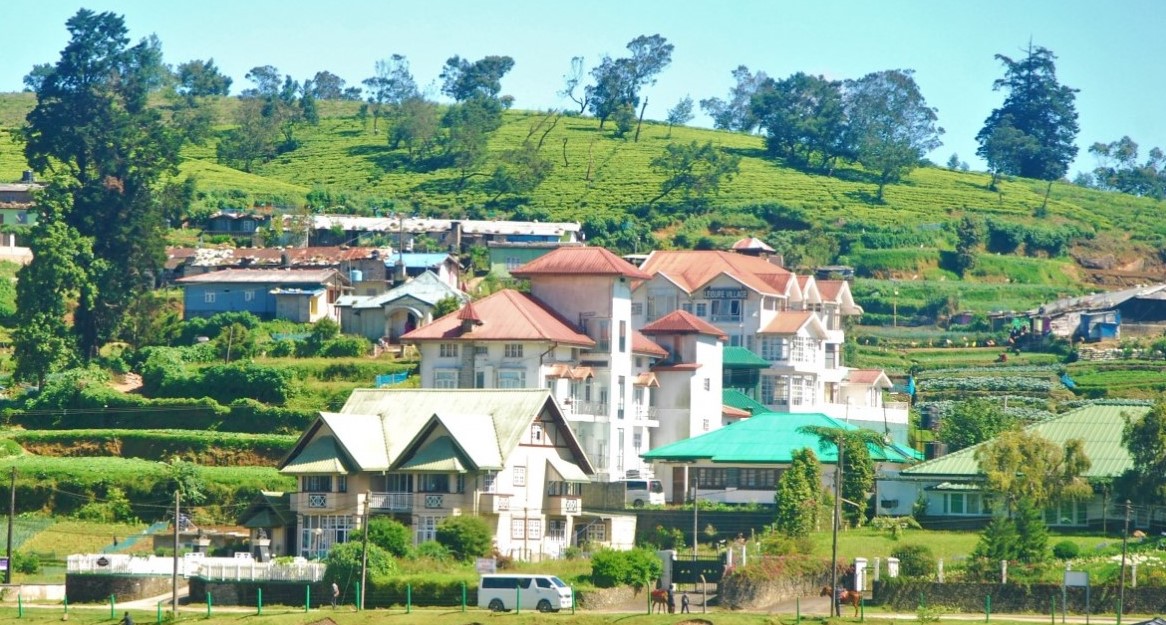
"From taro cultivation in Bogor to village tourism in Banyumas, every village has a story worth telling — and an opportunity worth sharing."
Seven areas of village knowledge
FolderDesa organizes its articles across these interconnected topics, each one grounded in real Indonesian village experience.
What you'll find on FolderDesa
Practical articles written by contributors who understand village life.
Agriculture & Cultivation
Articles on taro (talas bogor), dragon fruit, crystal guava, durian, oyster mushrooms, and tabulampot grapes — plus livestock such as dairy goats and Merino sheep.
Village-Owned Enterprises
Guides on establishing BUMDes, the differences from cooperatives, and why professional phased management matters for village economic growth.
Village Tourism
Coverage of destinations like Desa Karangkemiri in Banyumas, where outbound activities and a swimming pool helped tourism contribute Rp 50 million to village income in 2021.
Culinary Traditions
Indonesian village foods, Sundanese heritage dishes, spiced drinks, infused waters, seafood street-food ideas, and home-industry snack production.
Business Opportunities
From dried wood ear mushrooms and kopyor coconut seedlings to ecoprint crafting, bamboo crafts, and mina padi integrated rice-fish farming.
Village News & Community
Reports on social assistance programs like PKH, village governance structures, and practical tips such as safe homecoming travel during mudik season.
Running a village goat fattening program for Eid al-Adha
Across Java, Sumatra and the smaller islands, the weeks before Eid al-Adha turn quiet farming hamlets into busy livestock hubs. Families pool savings, borrow pens, and watch goats grow heavier by the day. For Australian readers with Indonesian family ties, or those who follow the country's halal meat trade from Perth offices and Sydney trading floors, the rhythm of this season is both familiar and surprisingly intricate.
The holiday, locally known as Hari Raya Haji, falls on the tenth of Dzulhijjah and marks the willingness of Prophet Ibrahim to sacrifice his son. Indonesian families buy a goat, cow or sheep, then distribute the meat to relatives and the poor. Demand peaks sharply in the two weeks before the celebration, and well-fed animals can climb twenty to thirty per cent above their ordinary value.
For village governments and BUMDes, goat fattening has become one of the most reliable seasonal enterprises. A well-managed program with thirty animals can return a modest profit within a single cycle. For Australian halal importers who source from Surabaya, understanding this back-end production helps explain why prices fluctuate so visibly in Lakemba and Sunshine West markets each year.
What follows is a practical walkthrough drawn from working village programs, covering planning, animal selection, feed, health, financing, pricing and the final sale.
Mapping the fattening cycle to the Islamic calendar
The first decision is timing. Most programs begin their cycle roughly four months before the holiday, giving young goats between ninety and 120 days to reach sale weight. Planners work backwards from the new moon, marking key dates on a shared chart: stock purchase, deworming, vaccination, weight checks and the last collection day.
In the dry season across Nusa Tenggara, forage becomes scarce and feed costs rise. Coordinators in Lombok or Flores often shift their buying window earlier, then hold animals on cut-and-carry grass until the day arrives. Australian readers who track live exports from Darwin will recognise the same sensitivity to seasonal feed availability.
Choosing breeds and designing the ration
Local Kacang and Etawa crosses remain the backbone of village fattening because they tolerate tropical conditions and adapt to mixed forage. In highland areas, farmers lean toward larger Boer-cross kids, which add muscle faster but need more careful feeding. For communities supplying Muslim buyers in cities such as Melbourne, the Kacang remains a safe choice; for heavier family gatherings in Surakarta markets, the Etawa cross fetches a clear premium.
A balanced ration combines cut grass, banana stems, rice bran, tofu dregs and a small amount of concentrate such as copra meal or ground corn. Salt licks and clean water should be available at all times. Some villages add fermented palm sugar syrup, a trick borrowed from cattle fatteners who believe the energy boost lifts final weight. Producers interested in the broader smallholder economy can read more about palm sugar craft as a parallel village enterprise. Feeding twice a day at consistent hours reduces stress and improves digestion.
Feed components for a village fattening pen:
- Fresh cut grass or legume leaves offered morning and afternoon
- Rice bran mixed with a small portion of copra or corn concentrate
- Clean water refreshed at least twice daily, with a mineral lick nearby
- Tofu or tempe dregs as a protein boost when budget allows
Housing, hygiene and animal health
Pens should be raised off bare earth to keep hooves dry and make cleaning easier. A bamboo slat floor with a thatched or zinc roof works well, and shaded sides keep animals cool during the long midday heat. Crowding is the most common mistake; each adult goat needs at least 1.2 square metres, otherwise respiratory disease spreads quickly through the herd.
Vaccination against peste des petits ruminants and enterotoxaemia is essential, and provincial agriculture offices supply the doses at low cost. Farmers should also drench animals for parasites at intake and again four weeks later, since worms are the largest cause of stalled weight gain in village flocks. Daily observation matters most: a goat that stands apart, stops chewing cud or develops a runny nose should be reported to the village paraveterinarian immediately.
Financing through a cooperative model
Few families can finance a full pen alone, so most programs pool capital through a village cooperative or the BUMDes itself. Members contribute a set amount per share, the cooperative buys kids in bulk at a lower price, and profits are distributed after sales. Transparent record-keeping is non-negotiable, and a treasurer gives a public report at the weekly pengajian.
Where banks are reluctant to lend to small farmers, Islamic microfinance or rotating savings groups have filled the gap. In Australian-supported pilots across Sulawesi and Aceh, returned migrants from Sydney have acted as informal guarantors, helping relatives access halal-compliant credit on fair terms.
Pricing, marketing and the final sale
The market for sacrificial animals begins to heat up about a month before the holiday, with prices climbing steadily in the final two weeks. Successful sellers track live weight, take clear photographs, and post them to village WhatsApp groups and local Facebook communities. Buyers, including Indonesian-Australian families placing orders for relatives abroad, often request video calls to inspect the animal before committing.
Pricing should reflect weight, breed, condition and local competition. Many programs add a small handling fee to cover transport and the cost of distributing a portion of meat to the poor after slaughter, a religious obligation that doubles as a mark of quality.
Factors that shape the final sale price:
- Live weight measured on a calibrated scale rather than estimated
- Visible health markers such as glossy coat, bright eyes and steady appetite
- Breed reputation in the local market and among returning diaspora buyers
- Trust signals including vaccination records and transparent ownership documents
Logistics, transport and welfare at sale time
The last week is the riskiest. Animals must be loaded gently, transported in covered vehicles to avoid heat stress, and unloaded into shaded holding pens near the mosque. Some villages coordinate with local police to manage traffic, while others rely on youth volunteers from the local Karang Taruna.
After sale, animals should be kept on clean straw with water available until slaughter, in line with Indonesian veterinary standards and the halal requirements followed by Muslim communities in suburban Perth or the Lakemba precinct. Buyers who treat animals well during this final stretch often return the following year and recommend the program to their wider family network, which is the most valuable form of marketing a village enterprise can earn.
A successful program rests on three habits: a feeding calendar aligned with the Islamic months, honest records shared openly with the community, and steady care for the animals from intake to the day of sale. A village that follows these habits will earn the trust of buyers at home and across the seas, and will be ready, year after year, when the new moon brings the next Eid al-Adha.

Questions or story ideas from your village?
FolderDesa welcomes readers who want to share village experiences or learn more about the topics covered on the site.
Visit the Contact Page