
FolderDesa brings together practical knowledge on farming, village-owned enterprises, culinary traditions, rural tourism, and small-business ideas — all rooted in the everyday life of Indonesian villages.
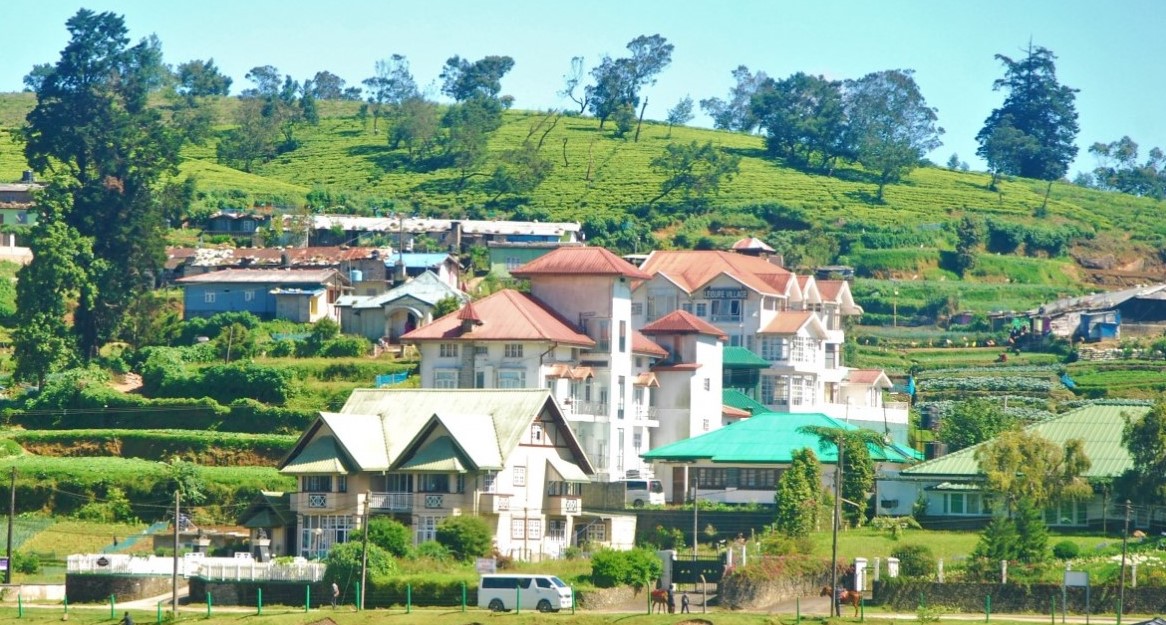
"From taro cultivation in Bogor to village tourism in Banyumas, every village has a story worth telling — and an opportunity worth sharing."
Seven areas of village knowledge
FolderDesa organizes its articles across these interconnected topics, each one grounded in real Indonesian village experience.
What you'll find on FolderDesa
Practical articles written by contributors who understand village life.
Agriculture & Cultivation
Articles on taro (talas bogor), dragon fruit, crystal guava, durian, oyster mushrooms, and tabulampot grapes — plus livestock such as dairy goats and Merino sheep.
Village-Owned Enterprises
Guides on establishing BUMDes, the differences from cooperatives, and why professional phased management matters for village economic growth.
Village Tourism
Coverage of destinations like Desa Karangkemiri in Banyumas, where outbound activities and a swimming pool helped tourism contribute Rp 50 million to village income in 2021.
Culinary Traditions
Indonesian village foods, Sundanese heritage dishes, spiced drinks, infused waters, seafood street-food ideas, and home-industry snack production.
Business Opportunities
From dried wood ear mushrooms and kopyor coconut seedlings to ecoprint crafting, bamboo crafts, and mina padi integrated rice-fish farming.
Village News & Community
Reports on social assistance programs like PKH, village governance structures, and practical tips such as safe homecoming travel during mudik season.
The Art of Making Palm Sugar in Indonesian Villages
In many Indonesian villages, palm sugar is more than a sweetener. It is the result of patient work, seasonal knowledge, and a close relationship between households and the trees growing around them. Known locally as gula aren when made from sugar palm sap, this traditional product appears in drinks, cakes, sauces, and everyday dishes.
The craft begins before sunrise, when a tapper climbs an aren palm to collect fresh sap called nira. Every stage matters: choosing a healthy flower stalk, keeping collection containers clean, controlling the fire, and shaping the finished sugar. Small differences in timing and technique can affect color, aroma, texture, and shelf life.
For rural communities, palm sugar can provide an important source of household income. It also offers opportunities for village-owned enterprises, food processors, and tourism businesses that want to connect visitors with authentic local products.
Where the sweetness begins
Sugar palms thrive in humid tropical environments and can grow on slopes or mixed forest edges where intensive crops may be difficult to establish. A mature tree produces sap from its flower stalk, not directly from the fruit. Skilled tappers carefully prepare the stalk by cleaning, bending, and gently striking it over several days to encourage sap flow.
A collection container is then attached beneath the cut end. The sap is usually gathered twice a day, often in the morning and late afternoon. Because fresh nira ferments quickly in warm weather, it must be processed soon after collection. Some producers place natural preservatives, such as pieces of wood traditionally used in the area, inside the container to slow fermentation.
Palm trees are valuable long-term assets. A single tree may produce for years when managed carefully, while its leaves, fibers, and fruit can also support household needs. Protecting young palms and avoiding destructive tapping helps maintain the resource for future generations.
From nira to a concentrated syrup
Once collected, the sap is filtered to remove insects, bark, or other debris. It is poured into a wide metal pan and heated over a wood-fired stove. The broad pan allows water to evaporate efficiently, while steady stirring prevents the thickening liquid from burning at the edges.
Boiling can take several hours, depending on the volume of sap and the strength of the fire. The liquid gradually changes from pale and foamy to golden brown and dense. Experienced makers judge readiness by observing bubbles, color, aroma, and the way the syrup falls from a stirring paddle.
The process requires attention because the sugar can become smoky or bitter if the heat is too high. If it is removed too early, the final product may remain soft and spoil quickly. This practical knowledge is often learned through family instruction rather than written measurement.
Shaping, drying, and storing the sugar
When the syrup reaches the correct consistency, it is transferred into coconut-shell molds, bamboo forms, or small round containers. Some producers stir it while cooling to create granulated palm sugar, while others pour it into molds to make solid cakes. Modern workshops may use stainless-steel equipment, but the essential technique remains familiar.
Good palm sugar has a warm caramel fragrance, a clean sweetness, and a firm yet breakable texture. Its color can range from light amber to deep brown depending on the tree, season, heating method, and length of boiling. Natural variation is part of its identity, although excessive moisture, ash, or smoke can reduce quality.
Finished sugar should be cooled completely before being wrapped. Airtight packaging protects it from humidity, insects, and mold. Producers who sell beyond their village often use food-grade plastic, paper boxes, or sealed pouches with labels that identify ingredients, production dates, and the place of origin.
| Production stage | Main task | Quality concern |
|---|---|---|
| Sap collection | Tap the flower stalk and gather fresh nira | Fermentation and contamination |
| Filtering | Remove debris before cooking | Cleanliness of the raw material |
| Boiling | Evaporate water over controlled heat | Burning, smoke, or undercooking |
| Concentrating | Stir until the syrup thickens | Uneven texture and excess moisture |
| Molding | Shape the hot sugar into cakes or granules | Cracks, sticking, and inconsistent size |
| Packaging | Cool, wrap, and seal the product | Humidity, insects, and shortened shelf life |
Knowledge carried through families
Palm sugar production reflects a form of rural expertise that combines observation, physical skill, and environmental awareness. Tappers understand which trees are ready, how much pressure a stalk can tolerate, and when weather conditions may affect sap flow. These decisions cannot be separated from local landscapes and seasonal rhythms.
The work is also divided among family members and neighbors. One person may climb and collect sap, another may tend the stove, and others may mold, package, or sell the sugar. In some villages, women play a central role in cooking and quality control, while younger residents help with branding, online sales, or visitor demonstrations.
Stories about food traditions can help place palm sugar within a wider cultural setting. Readers interested in regional ingredients and village cooking can explore this Minangkabau culinary heritage, where local products also carry memories of landscape, family, and community identity.
Building a stronger village business
Demand for natural sweeteners creates room for small producers to earn more than they would from selling unprocessed sap. Palm sugar can be packaged as cooking sugar, drink syrup, gift products, or an ingredient for cafés and traditional snack makers. Consistent weight, hygiene, and labeling are essential when entering wider markets.
A BUMDes can support producers by purchasing shared equipment, organizing training, developing packaging, and connecting village makers with restaurants or retailers. Collective action may also make it easier to meet food safety requirements and maintain a stable supply during periods of changing production.
Tourism offers another route. Visitors may join a short tapping demonstration, watch the boiling process, taste fresh syrup, and buy products directly from households. Such experiences should respect the workers’ time and safety rather than turning the craft into a staged performance. Updates about local initiatives can be followed through village news reports that document community projects and rural economic activity.
Keeping the craft sustainable
Sustainability begins with the trees. Producers need to protect regeneration areas, plant new palms, and avoid relying only on mature trees already growing near homes. Forest-edge management should prevent erosion and preserve the mixed vegetation that supports soil health and biodiversity.
Fuel use is another concern. Efficient stoves can reduce firewood consumption and shorten cooking time. Clean collection containers, raised processing floors, and safe storage areas improve both product quality and working conditions without removing the traditional character of the craft.
Local institutions can help by recording production knowledge, supporting apprenticeships, and creating fair purchasing arrangements. When young people see that palm sugar can offer dependable income and meaningful cultural work, the knowledge is more likely to remain in the village.
Practical steps for producers and village groups
A careful approach can improve both product quality and household earnings:
- Set a fixed collection and cooking schedule so fresh nira is processed before excessive fermentation.
- Use clean containers, filtered sap, and covered cooling areas to reduce contamination.
- Test improved stoves that use less firewood while maintaining steady heat.
- Create consistent product sizes and clear packaging for shops, markets, and online buyers.
- Record tree locations, production volume, and planting efforts to support long-term management.
Every block of palm sugar represents a chain of decisions made by people who understand their trees and their surroundings. Supporting these producers means valuing agricultural skill, traditional food knowledge, and the economic future of Indonesian villages. Share the story of local palm sugar, visit a village producer when possible, and choose products that keep this living craft in community hands.

Questions or story ideas from your village?
FolderDesa welcomes readers who want to share village experiences or learn more about the topics covered on the site.
Visit the Contact Page