
FolderDesa brings together practical knowledge on farming, village-owned enterprises, culinary traditions, rural tourism, and small-business ideas — all rooted in the everyday life of Indonesian villages.
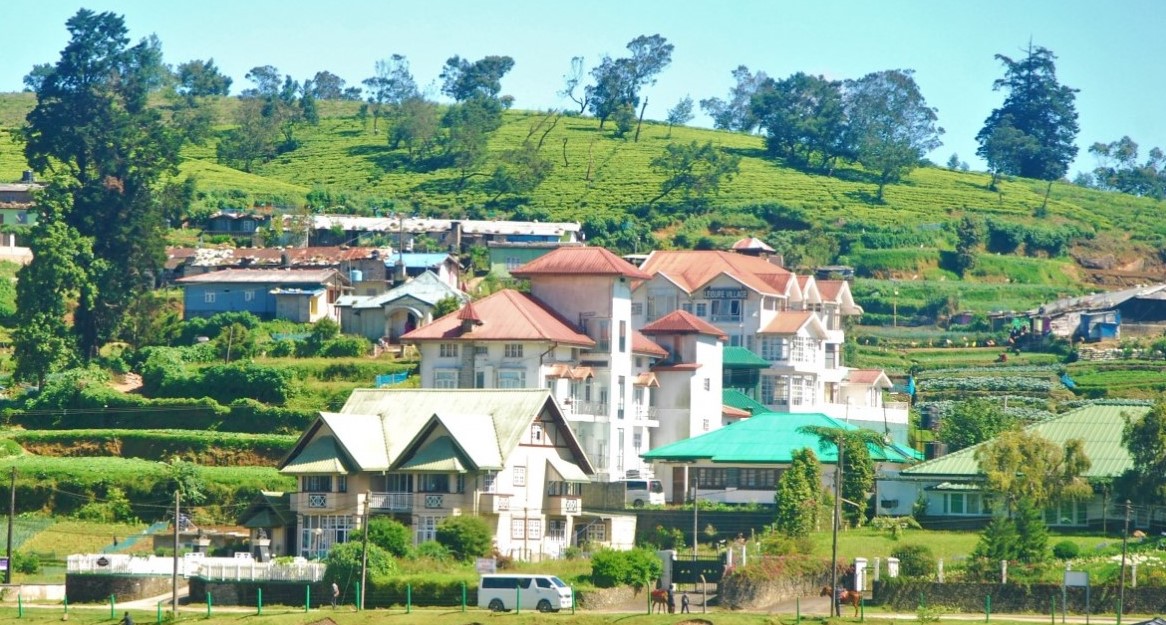
"From taro cultivation in Bogor to village tourism in Banyumas, every village has a story worth telling — and an opportunity worth sharing."
Seven areas of village knowledge
FolderDesa organizes its articles across these interconnected topics, each one grounded in real Indonesian village experience.
What you'll find on FolderDesa
Practical articles written by contributors who understand village life.
Agriculture & Cultivation
Articles on taro (talas bogor), dragon fruit, crystal guava, durian, oyster mushrooms, and tabulampot grapes — plus livestock such as dairy goats and Merino sheep.
Village-Owned Enterprises
Guides on establishing BUMDes, the differences from cooperatives, and why professional phased management matters for village economic growth.
Village Tourism
Coverage of destinations like Desa Karangkemiri in Banyumas, where outbound activities and a swimming pool helped tourism contribute Rp 50 million to village income in 2021.
Culinary Traditions
Indonesian village foods, Sundanese heritage dishes, spiced drinks, infused waters, seafood street-food ideas, and home-industry snack production.
Business Opportunities
From dried wood ear mushrooms and kopyor coconut seedlings to ecoprint crafting, bamboo crafts, and mina padi integrated rice-fish farming.
Village News & Community
Reports on social assistance programs like PKH, village governance structures, and practical tips such as safe homecoming travel during mudik season.
Planning a Village Tree Planting Day to Lift Reforestation Awareness
Across rural Indonesia, more villages are setting aside one Saturday a year to put seedlings in the ground together. The aim goes well beyond the saplings themselves: a well-run tree planting day becomes a public classroom on watershed protection, soil health and the role forests play in local livelihoods. For organisers, the task is half logistics and half storytelling, because the trees only matter if the community keeps coming back to look after them.
Australia has quietly built a similar habit. From the hills around Hobart to the peri-urban bushland outside Brisbane, Landcare and Greening Australia chapters have spent decades turning weekend planting events into long-term restoration projects. Many of the lessons learned on the Murray floodplains or in Sydney's Harold Park wetlands translate well to the Indonesian village context, especially when village officials want to combine environmental recovery with practical economic outcomes.
Picking a date that suits the climate and the calendar
Tree planting days live or die on timing. In most Indonesian villages the wet season between November and March is the natural planting window, because seedlings establish faster when rain is reliable and the soil stays moist. Avoid holding the event during the main rice or coffee harvest, when every pair of arms in the village is already spoken for, and steer clear of major religious holidays that pull families in different directions. A good rule of thumb is to anchor the date to the village planning calendar (RPJMDes) so it becomes a recurring fixture rather than a one-off photo opportunity.
In Australia, organisers working with monsoonal patterns in the Top End have learned that a similar logic applies: planting after the first solid rains of the wet season gives seedlings the best start, while a Sydney community group might instead target the cooler weeks of May or June to reduce heat stress on newly planted tubes. Looking at long-term rainfall records, rather than the forecast of the week before, is what separates events that survive their first dry season from those that do not.
Bringing villagers, schools and local government on board
A planting day is really a recruitment drive disguised as an outdoor activity. Start by inviting the village head, the BUMDes manager, the local PKK women's group and the nearest primary school, then let word of mouth do the rest. Assign each group a clear role: the PKK can run the seedling nursery and the welcome tent, the schoolchildren can carry tools and label stakes, and the village apparatus team can handle permissions, transport and the post-event report that funders often ask for.
Pair this with at least two information sessions in the village hall, using simple posters that show what each species will look like in five, ten and twenty years. In Melbourne's Friends of Merri Creek, organisers do something comparable by training "site captains" who brief their own neighbours before the day. People show up early and stay late when they understand exactly which gully or ridge they are healing, and who will be responsible for watering through the next dry spell.
Funding, seedlings and the honest budget
Seedlings, tools, drinking water for volunteers and a small contingency fund for replanting are the four line items that always get overlooked. Plan on a replacement rate of ten to fifteen percent in the first year, because some saplings will inevitably fail. Sources of supply vary: village nurseries, the local forestry office (Dinas Kehutanan), university student projects and CSR programmes from nearby plantations or banks are all worth approaching with a short proposal. Several sponsors also see a planting day as a way to seed small enterprises around the planting that may later supply their value chains.
A simple spreadsheet that lists each sponsor, what they give and what they get in return keeps the relationships warm. Australians running similar days in Perth or Adelaide often apply for small grants through programs such as the 20 Million Trees initiative or state-level environmental trust funds, governed locally by rules that resemble the EPBC Act's focus on protecting listed ecological communities. Either way, never let the planting happen before the budget is signed off, because replanting a failed block a year later costs far more than doing it properly the first time.
| Source | Typical contribution | Lead time | Best for |
|---|---|---|---|
| Village nursery | Seedlings at cost | 2-3 months | Native species, small events |
| Local forestry office | Free seedlings, advice | 6-12 months | Large-scale, technical work |
| University projects | Labour, monitoring | 3-6 months | Research, data collection |
| CSR programmes | Cash, tools, volunteers | 3-9 months | Multi-year programmes |
| Environmental grants | Cash, sometimes plants | 6-12 months | Multi-site restoration |
Planting day itself: keeping it safe and moving
On the morning, set up a registration desk, a tool station with spades, watering cans and gloves, and a clear briefing area where the village head or a forestry officer explains the layout of the site. Divide volunteers into crews of eight to ten, each with a named crew leader, a designated planting zone and a coloured flag so progress is visible from the road. Brief everyone on hole depth, root handling and the correct spacing for the chosen species, then walk the first row together as a demonstration.
Water, shade and a simple lunch matter more than people expect. Australian groups in regional New South Wales schedule planting for the cooler morning hours, hand out hi-vis vests and insist on closed-toe shoes, because a spade in soft ground can still do real damage. End the day with a short ceremony where each family or school class "adopts" a tree, which is the cheapest way to lock in long-term care without paying anyone.
Aftercare, monitoring and turning one day into a decade
The hardest part starts the day after the volunteers go home. Assign a two-person care team to water, weed and replace seedlings through the first two dry seasons, and give them a small monthly allowance drawn from the BUMDes or a community fund. A basic monitoring form with photo points, survival counts and notes on pests will let the village prove to sponsors that the work is continuing, and will guide decisions about which species to plant next time.
For villages looking to make the restored land productive, agroforestry models that mix fruit trees, coffee or timber species can turn a conservation block into a modest income stream over time. Reading about how a neighbouring village pulled its abandoned rice paddies back into production can be a useful starting point, and small cooperatives selling seedlings, fruit or compost often grow naturally out of a well-managed planting site.
A tree planting day is less about the number of seedlings counted at lunchtime and more about the relationships, habits and small budgets you put in place before and after the event. Villages that treat it as a recurring tradition rather than a campaign tend to be the ones whose forests are still standing ten years later, and whose residents can point to a row of trees and say exactly who planted them and why.

Questions or story ideas from your village?
FolderDesa welcomes readers who want to share village experiences or learn more about the topics covered on the site.
Visit the Contact Page