
FolderDesa brings together practical knowledge on farming, village-owned enterprises, culinary traditions, rural tourism, and small-business ideas — all rooted in the everyday life of Indonesian villages.
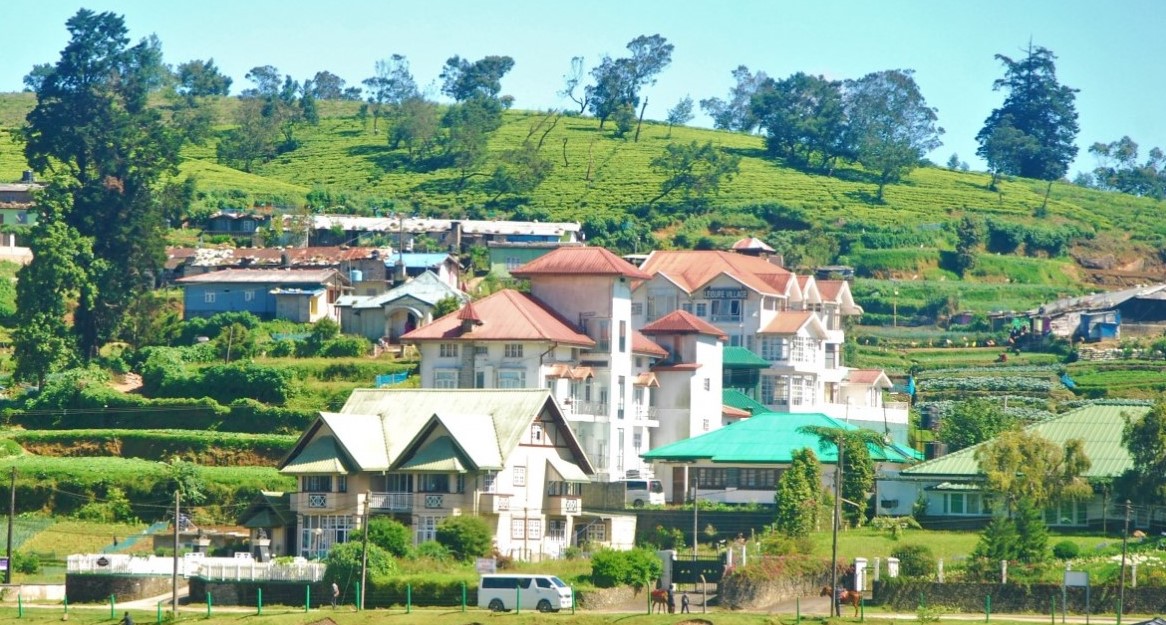
"From taro cultivation in Bogor to village tourism in Banyumas, every village has a story worth telling — and an opportunity worth sharing."
Seven areas of village knowledge
FolderDesa organizes its articles across these interconnected topics, each one grounded in real Indonesian village experience.
What you'll find on FolderDesa
Practical articles written by contributors who understand village life.
Agriculture & Cultivation
Articles on taro (talas bogor), dragon fruit, crystal guava, durian, oyster mushrooms, and tabulampot grapes — plus livestock such as dairy goats and Merino sheep.
Village-Owned Enterprises
Guides on establishing BUMDes, the differences from cooperatives, and why professional phased management matters for village economic growth.
Village Tourism
Coverage of destinations like Desa Karangkemiri in Banyumas, where outbound activities and a swimming pool helped tourism contribute Rp 50 million to village income in 2021.
Culinary Traditions
Indonesian village foods, Sundanese heritage dishes, spiced drinks, infused waters, seafood street-food ideas, and home-industry snack production.
Business Opportunities
From dried wood ear mushrooms and kopyor coconut seedlings to ecoprint crafting, bamboo crafts, and mina padi integrated rice-fish farming.
Village News & Community
Reports on social assistance programs like PKH, village governance structures, and practical tips such as safe homecoming travel during mudik season.
Reviving abandoned rice fields in East Java
Across East Java, abandoned rice fields are easy to recognize: cracked plots, broken irrigation channels, invasive grass, and boundaries that have become difficult to identify. Some were left idle because farming costs rose, water became unreliable, or younger residents chose work in cities. Others were divided among heirs, making collective cultivation complicated.
Yet idle sawah is not always unproductive land. In several villages, farmer groups, village governments, and BUMDes have brought neglected paddies back into cultivation by combining land consolidation, water management, better production planning, and new agricultural businesses.
The strongest examples show that restoring rice fields is an economic project as much as an agricultural one. Harvest income matters, but so do local milling, seed production, farm tourism, food processing, and village employment.
Why rice fields become idle
Land abandonment usually has several causes at once. A small plot may produce too little income after fertilizer, labor, machinery rental, and transport costs are deducted. If irrigation fails during the dry season, farmers face greater risk. When landowners live outside the village, coordinating planting can become even harder.
Fragmented ownership also slows recovery. One plot may have several heirs, while neighboring farmers follow different planting schedules. Weeds spread, rats increase, and damaged field paths make machinery difficult to use. Over time, the cost of returning the land to production appears higher than the value of one harvest.
Successful villages begin with a detailed land inventory. Officials and farmer associations identify owners, water access, plot boundaries, and the reasons each parcel is unused. This information prevents unrealistic targets and helps the village negotiate a shared cultivation agreement.
Lessons from East Java villages
In rice-producing areas around Ngawi and Madiun, farmer groups have used coordinated planting to make neglected plots commercially viable. Instead of asking each landowner to manage a small parcel independently, the group arranges land preparation, seed selection, irrigation schedules, and harvesting as one operation. Owners receive an agreed share, while cultivators gain access to a larger and more efficient working area.
Banyuwangi offers another useful model, especially where agriculture is connected with rural tourism. Villages can restore paddy landscapes while developing walking routes, educational visits, local food stalls, and farm-based experiences. The rice field remains a productive asset, while visitors create an additional market for rice snacks, traditional cuisine, seedlings, and handicrafts.
In parts of Malang and Batu, the key lesson is diversification. Rice may remain the main crop in wet areas, while field edges support vegetables, nursery plants, or livestock feed. This approach reduces dependence on a single harvest and gives young residents roles in marketing, digital promotion, guiding, and food processing.
Repairing water systems first
No land revival program can succeed without dependable water. Village teams need to inspect intake points, tertiary canals, small bridges, field drains, and water gates before distributing seed or promising harvest targets. Minor repairs can often be completed through community labor, while larger works may require coordination with the irrigation service.
Water scheduling is as important as construction. A written rotation system helps prevent disputes between upstream and downstream farmers, particularly during the dry season. Farmer groups can appoint water coordinators and record planting dates so that irrigation demand is easier to predict.
Climate-resilient practices strengthen the recovery effort. Short-duration rice varieties, alternate wetting and drying, organic matter, and improved drainage can reduce production risks. On sloping land, grassed pathways and soil conservation measures limit erosion. These measures may seem modest, but they protect the field system that future harvests depend on.
Building income beyond raw rice
Restoration becomes more durable when farmers capture more value after harvest. A village-owned enterprise can coordinate drying, milling, packaging, and sales under a local brand. Instead of selling wet paddy immediately to middlemen, farmers gain more control over quality and timing.
Other opportunities include rice seed nurseries, rice crackers, traditional cakes, straw compost, livestock feed, and educational farm visits. A BUMDes does not need to operate every activity itself. It can provide equipment, working capital, shared storage, or marketing support while local groups handle production.
Reliable information also helps village residents follow these opportunities. Reports on village development news can help officials and community groups compare approaches, identify relevant programs, and share practical results from other rural areas.
Choosing the right revival model
Different landscapes require different strategies. A village with reliable irrigation may prioritize intensive rice cultivation, while a dry or fragmented area may need mixed farming and tourism. The comparison below illustrates how local conditions can shape the business model.
| Local condition | Suitable revival model | Main partners | Early success measure |
|---|---|---|---|
| Reliable irrigation and broad plots | Coordinated rice production | Farmer groups, water users’ associations | More hectares planted together |
| Fragmented ownership | Land pooling or managed cultivation | Landowners, cultivators, village government | Written agreements and shared schedules |
| Strong visitor traffic | Paddy landscape and farm tourism | BUMDes, youth groups, tourism managers | Visitor spending and local jobs |
| Poor post-harvest facilities | Village milling and packaging | BUMDes, cooperatives, food businesses | Higher selling price and lower losses |
| Seasonal water shortages | Short-duration rice and mixed crops | Extension officers, farmer groups | Stable income across planting seasons |
A useful principle is to begin with the smallest workable cluster. Ten to twenty hectares managed under one plan can demonstrate results more clearly than a village-wide campaign with weak coordination. Once landowners see transparent records and timely payments, participation often becomes easier.
Financial reporting must remain open. Every agreement should explain who supplies seed, who pays for land preparation, how losses are handled, and when owners are paid. Trust is a productive asset; without it, even a technically sound rice field program can collapse.
A practical village roadmap
The first stage is assessment. Map idle fields, interview owners, test water availability, and calculate the cost of clearing, leveling, planting, and harvesting. The village should also identify existing machinery, farmer skills, storage buildings, and possible buyers before the first season begins.
The second stage is a pilot. Select a connected block of land, appoint a management team, and use a simple production budget. Record labor, inputs, yields, selling prices, and unresolved problems. A pilot creates evidence for decisions instead of relying on optimistic estimates.
The third stage is market preparation. Secure buyers for paddy, milled rice, or processed products before harvest. Local schools, restaurants, markets, cooperatives, and tourism businesses may become customers. Packaging and storytelling can help local rice compete, but quality and delivery consistency must come first.
The fourth stage is institutionalization. Successful farmer groups can sign longer agreements, purchase shared equipment, and coordinate with BUMDes. Village regulations may protect irrigation corridors, clarify land-use responsibilities, and reserve part of business profits for maintenance and farmer training.
Priorities for village action
- Map every abandoned rice field and classify it by ownership, water access, soil condition, and restoration cost.
- Form a small land-management team with farmer, landowner, BUMDes, and village government representatives.
- Start with one connected pilot area and publish its production budget and revenue-sharing agreement.
- Repair irrigation, drainage, field paths, and shared machinery before expanding acreage.
- Develop at least one post-harvest product or service so income does not depend only on selling raw paddy.
The most convincing success story is a field that remains productive after outside support ends. That requires capable local managers, fair agreements, accurate records, and buyers who value consistent quality. Training young residents in farm technology, accounting, branding, and equipment maintenance can make the program more attractive to the next generation.
Revived paddies can also strengthen food security and village identity. Rice fields support seasonal labor, protect rural landscapes, and keep traditional food knowledge connected to local production. When managed collectively, they become shared economic infrastructure rather than isolated plots.
Village leaders, farmer groups, and BUMDes can begin by selecting one idle field cluster, meeting its landowners, and preparing a transparent first-season plan. Small, measurable progress can turn neglected sawah into a dependable source of harvests, jobs, and rural enterprise.

Questions or story ideas from your village?
FolderDesa welcomes readers who want to share village experiences or learn more about the topics covered on the site.
Visit the Contact Page