
FolderDesa brings together practical knowledge on farming, village-owned enterprises, culinary traditions, rural tourism, and small-business ideas — all rooted in the everyday life of Indonesian villages.
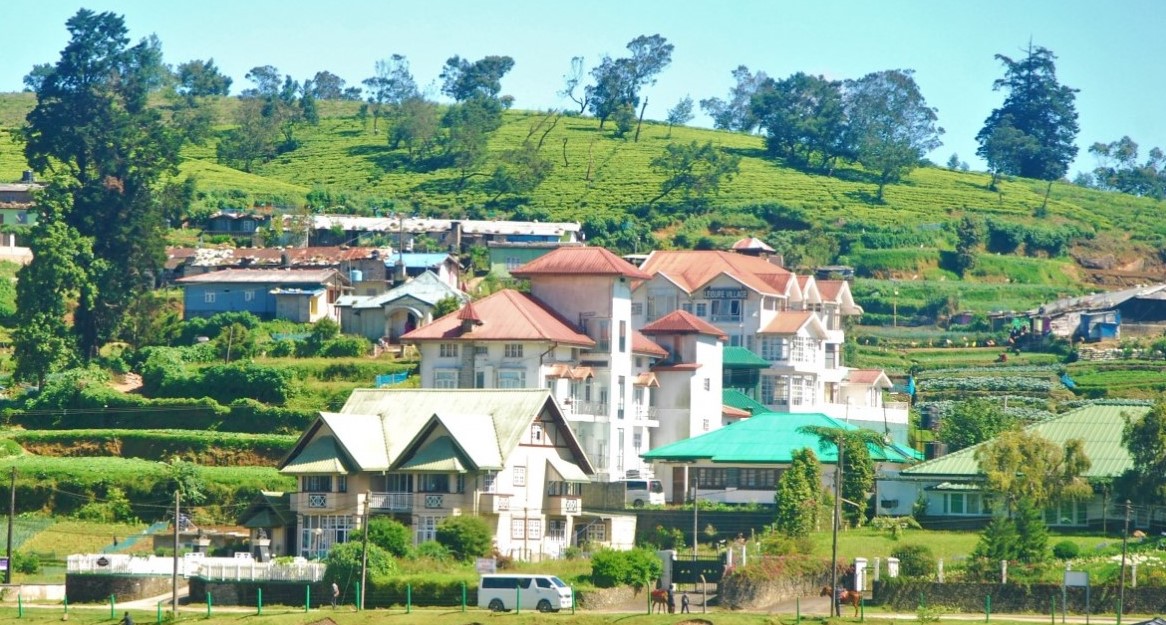
"From taro cultivation in Bogor to village tourism in Banyumas, every village has a story worth telling — and an opportunity worth sharing."
Seven areas of village knowledge
FolderDesa organizes its articles across these interconnected topics, each one grounded in real Indonesian village experience.
What you'll find on FolderDesa
Practical articles written by contributors who understand village life.
Agriculture & Cultivation
Articles on taro (talas bogor), dragon fruit, crystal guava, durian, oyster mushrooms, and tabulampot grapes — plus livestock such as dairy goats and Merino sheep.
Village-Owned Enterprises
Guides on establishing BUMDes, the differences from cooperatives, and why professional phased management matters for village economic growth.
Village Tourism
Coverage of destinations like Desa Karangkemiri in Banyumas, where outbound activities and a swimming pool helped tourism contribute Rp 50 million to village income in 2021.
Culinary Traditions
Indonesian village foods, Sundanese heritage dishes, spiced drinks, infused waters, seafood street-food ideas, and home-industry snack production.
Business Opportunities
From dried wood ear mushrooms and kopyor coconut seedlings to ecoprint crafting, bamboo crafts, and mina padi integrated rice-fish farming.
Village News & Community
Reports on social assistance programs like PKH, village governance structures, and practical tips such as safe homecoming travel during mudik season.
Composting Demonstration Day
Organic farming in rural Indonesia relies on practical knowledge that villagers can see, smell, and touch. A well-organised composting demonstration turns abstract soil science into a shared village event, where growers watch scraps transform into dark, crumbly humus over a few weeks. When the hands-on session is hosted beside a working farm or neighbourhood garden, it creates a living reference point for everyone who wants to grow food without expensive synthetic inputs.
Australian readers planning cross-cultural exchanges, or visitors curious about how tropical villages approach soil care, will find many parallels with the rise of community compost hubs from Brisbane to regional Tasmania. The same logic that powers suburban worm farms in Adelaide underpins village-level systems in Java and Bali. Setting up a demonstration is less about importing foreign techniques and more about staging a clear, reproducible process that any neighbour can copy in their own backyard.
Defining the Purpose of a Composting Demonstration
Before the first wheelbarrow arrives, the organising committee should agree on why the event matters for the village. A common aim is to reduce dependence on chemical fertilisers whose prices have climbed steadily since supply chains tightened in 2022. Another aim is to turn household and market waste into a steady soil amendment that supports organic rice, vegetables, and fruit trees. Linking the goals to a respected local institution, such as a BUMDes or a women's farming group, lends credibility and helps with logistics.
The demonstration also doubles as a training ground for new skills. Participants learn how to balance brown and green materials, monitor moisture, and recognise when the pile is ready to cure. Documenting each step with photos or a short village video creates a permanent record that returning workers and visitors can study. In the same spirit of self-reliance, growers curious about pairing compost with other regenerative practices may want to review strategies for intercropping corn to make the most of a single plot.
Choosing a Site, Sourcing Materials, and Planning the Day
A good site is shaded, slightly elevated, and easy for elders and children to reach on foot or by motorbike. Schoolyards, mosque courtyards, and village halls are popular choices, especially when a tap or well sits within ten metres. If the village borders a popular farmers market, like the weekend stalls at Queen Victoria Market in Melbourne that serve as a casual reference point for urban food culture, organisers can mirror that bustle by inviting local traders to display compost-fed produce next to the working pile.
Materials should be gathered two weeks in advance. Green waste comes from kitchen scraps, livestock manure, and freshly cut grass. Brown waste includes rice straw, dried leaves, and sawdust from nearby carpenters. A reliable water source, three long stakes, a roll of chicken wire, and a few simple tools round out the kit. A printed schedule, posted at the village office and shared through local WhatsApp groups, keeps the day running on time and respects the rhythm of prayer calls and mealtimes.
Building a Hot Compost Pile Together
On demonstration day, the pile should reach at least one cubic metre so that internal heat can climb above fifty-five degrees Celsius. Layers of brown and green materials alternate, with a fistful of finished compost or local soil sprinkled between layers to introduce the right microbes. Water is added until the mixture feels like a wrung-out sponge. A long stake inserted into the centre helps participants check temperature and airflow in the days that follow.
Turn the pile on day seven and again on day fourteen, then let it rest. Volunteers should record weights, smells, and temperatures in a simple logbook placed near the site. This log doubles as a teaching aid during follow-up workshops, where sceptics can see for themselves that well-managed compost does not smell of rot. The transparency of this approach mirrors the standards expected by the Australian Certified Organic label, which any export-minded village cooperative would do well to understand.
Picking a Method That Fits the Village
| Method | Time to Finish | Labour Needed | Best Suited For |
|---|---|---|---|
| Hot pile | 6–8 weeks | Moderate | Large families, cooperative farms |
| Cold pile | 6–12 months | Low | Households with little labour |
| Trench or pit | 4–6 months | Low to moderate | Small plots, dry-season gardens |
| Worm bin | 2–3 months | Steady, gentle care | Shaded courtyards, schools |
Not every method suits every climate. Villages exposed to heavy monsoon rain often prefer raised, covered piles that shed water quickly. Drier upland hamlets may favour trench composting, where moisture stays trapped underground. Worm bins, popular among hobby farmers in Perth suburbs, also work well in shaded parts of Java or Sumatra, provided the bins stay cool and out of direct sunlight. Choosing the right method early avoids the disappointment of a soggy, smelly pile that drives neighbours away.
Bringing Schools, Elders, and Local Markets into the Fold
A demonstration only thrives when neighbours treat it as a shared resource. Inviting the local primary school turns the day into a field trip, with children collecting leaves and labelling layers in chalk. Elders can take the role of storytellers, recalling traditional practices such as burying fish scraps at the base of banana plants. Together, these voices frame composting as both modern science and continuing cultural heritage, which encourages wider acceptance.
After the pile is built, partner with the nearest morning market. Traders at venues such as Fairfield Markets in Sydney or weekly regional hubs across Queensland often welcome the chance to separate vegetable scraps for a collection point. In return, the village group supplies finished compost to stallholders at a discount. The exchange closes the loop, showing households that every peel and stalk has a clear destination beyond the rubbish pit.
Tracking Results and Tying Composting Back to Organic Farming
Outcomes should be measured simply but consistently. A small demonstration plot sown with leafy greens or chillies, treated with the finished compost, can be weighed at harvest and compared with a control bed using conventional methods. Photos taken at two-week intervals make the difference obvious to passing visitors. Soil samples sent to a regional lab once a year add a layer of credibility that supports claims of higher organic matter and improved water retention.
After harvest, the organising committee publishes findings in the village bulletin, hands them to the district agricultural office, and shares them with Australian partner groups involved in regenerative agriculture exchanges. Organic farming depends on visible proof, and a successful demonstration becomes a permanent classroom that runs every season. The single most useful next step is to schedule a follow-up turn-and-harvest day within four weeks and invite last weekend's curious onlookers to return as trained volunteers.

Questions or story ideas from your village?
FolderDesa welcomes readers who want to share village experiences or learn more about the topics covered on the site.
Visit the Contact Page