
FolderDesa brings together practical knowledge on farming, village-owned enterprises, culinary traditions, rural tourism, and small-business ideas — all rooted in the everyday life of Indonesian villages.
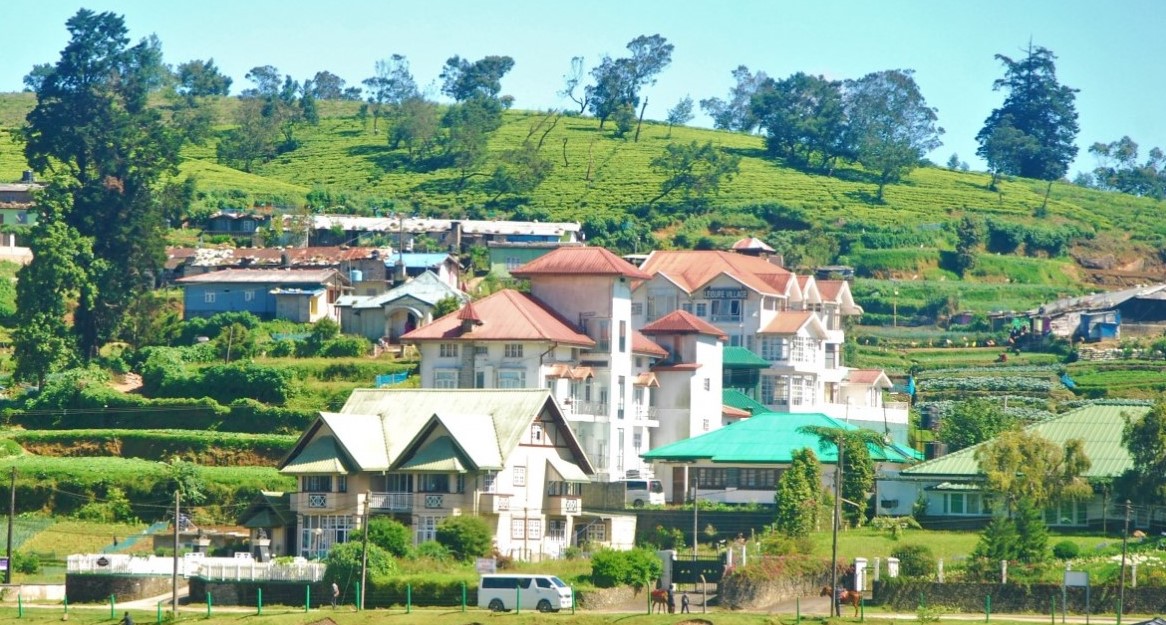
"From taro cultivation in Bogor to village tourism in Banyumas, every village has a story worth telling — and an opportunity worth sharing."
Seven areas of village knowledge
FolderDesa organizes its articles across these interconnected topics, each one grounded in real Indonesian village experience.
What you'll find on FolderDesa
Practical articles written by contributors who understand village life.
Agriculture & Cultivation
Articles on taro (talas bogor), dragon fruit, crystal guava, durian, oyster mushrooms, and tabulampot grapes — plus livestock such as dairy goats and Merino sheep.
Village-Owned Enterprises
Guides on establishing BUMDes, the differences from cooperatives, and why professional phased management matters for village economic growth.
Village Tourism
Coverage of destinations like Desa Karangkemiri in Banyumas, where outbound activities and a swimming pool helped tourism contribute Rp 50 million to village income in 2021.
Culinary Traditions
Indonesian village foods, Sundanese heritage dishes, spiced drinks, infused waters, seafood street-food ideas, and home-industry snack production.
Business Opportunities
From dried wood ear mushrooms and kopyor coconut seedlings to ecoprint crafting, bamboo crafts, and mina padi integrated rice-fish farming.
Village News & Community
Reports on social assistance programs like PKH, village governance structures, and practical tips such as safe homecoming travel during mudik season.
The Benefits of Intercropping Corn and Cassava in Indonesian Villages
Intercropping corn and cassava gives smallholders a practical way to use the same plot for more than one harvest. Corn develops quickly and can provide food or cash within a few months, while cassava grows longer and forms a dependable root crop beneath the soil. When planned carefully, the two crops create a more flexible farming system than planting either one alone.
This approach suits many Indonesian villages where land is limited, rainfall is seasonal, and household income depends on several agricultural activities. Farmers can adjust planting dates, sell produce at different times, and reduce their dependence on a single commodity price.
The method still requires good spacing, soil preparation, and weed control. Corn and cassava compete for sunlight, water, and nutrients if they are planted too closely. The strongest results come from treating the field as a managed system rather than simply placing two crops in the same row.
How The Crops Complement Each Other
Corn has a relatively short growing period. Depending on the variety and local conditions, farmers may harvest fresh ears or dry grain within three to five months. Cassava takes longer, often six to twelve months or more, so its roots can remain in the field while corn has already been harvested.
This difference in maturity spreads farm income across the season. A household may sell corn to cover school expenses or daily needs, then harvest cassava later when prices or labor availability are more favorable. Cassava leaves can also provide supplementary fodder when handled according to local safety practices.
The crops occupy space differently. Corn grows upward and produces a canopy, while cassava develops a deeper root system and remains productive after the corn is removed. With suitable spacing, this arrangement allows farmers to capture sunlight at different stages of crop growth.
Better Use Of Land And Soil
Intercropping can increase the value produced from each plot, especially where farmers cannot expand their cultivated area. Early in the season, cassava cuttings are still small, leaving room for corn between the rows. After the corn harvest, cassava has more light and space to continue developing.
Corn is a nutrient-demanding crop, so soil fertility must be managed from the start. Compost, animal manure, crop residues, and properly applied organic fertilizers can improve soil structure and support both crops. Returning healthy plant residues to the field also helps maintain moisture and reduce erosion.
Farmers should avoid planting on steep, exposed land without conservation measures. Contour rows, grass strips, mulch, and small drainage channels can slow runoff during heavy rain. These steps are particularly important for cassava fields because loose soil around developing roots can be washed away.
Managing Water, Spacing, And Weeds
The best planting arrangement depends on rainfall, soil type, and the purpose of the harvest. Corn may be placed in wider rows between cassava plants, allowing enough sunlight and reducing competition. Cassava cuttings should be healthy, disease-free, and planted at a consistent angle and depth.
Weeds are most damaging during the first weeks after planting. Farmers can weed manually, use mulch, or coordinate labor so that corn and cassava receive attention at the same time. A clean field during early growth helps both crops establish strong roots before competition increases.
Water management also affects yield. In dry areas, mulch made from grass or plant residues can reduce evaporation, while planting at the beginning of reliable rains improves establishment. In wet locations, raised mounds or drainage channels can prevent cassava roots from staying in saturated soil.
Income, Food Security, And Risk
A mixed plot can produce several kinds of value. Corn may become household food, livestock feed, or market grain, while cassava can be sold fresh, processed into chips, flour, or traditional foods. This gives families options when one market is weak or when harvest timing changes.
The system can also support local food security. Cassava roots and corn are familiar ingredients in many rural communities, and village processing groups can turn them into products with longer shelf life. Small enterprises may produce cassava crackers, fermented foods, corn snacks, or animal feed, creating work beyond the farm.
Market planning is essential because fresh cassava deteriorates quickly after harvest. Farmers should identify buyers, transport options, and processing facilities before digging large volumes. Village-owned enterprises can help collect produce, organize grading, and negotiate sales more efficiently.
| Farming concern | Corn contribution | Cassava contribution | Practical advantage |
|---|---|---|---|
| Harvest timing | Shorter production cycle | Longer harvest window | Income can be spread across months |
| Food use | Grain, fresh ears, animal feed | Roots, flour, snacks, traditional foods | More choices for household consumption |
| Land use | Uses upper canopy space | Uses lower and underground space | Better use of one plot |
| Market risk | Different price movement | Can remain in the soil temporarily | Less pressure to sell everything at once |
| Village enterprise | Grain drying and feed | Chips, flour, and processed foods | More opportunities for local value addition |
Protecting Crops From Pests And Disease
Plant diversity can make it harder for some pests to spread rapidly across a field, although intercropping is not a complete form of pest control. Regular observation remains necessary. Farmers should inspect corn leaves, stems, and ears, as well as cassava leaves and young shoots, from the first weeks after planting.
Healthy planting materials are the first line of defense. Cassava cuttings should come from vigorous plants, and corn seed should be suited to the local climate. Removing severely affected plants and disposing of them properly can reduce the chance of disease moving through the plot.
Integrated pest management combines field sanitation, resistant varieties, balanced fertilization, natural predators, and carefully timed treatments when needed. Excessive nitrogen can produce lush growth that attracts pests, so fertilizer should be based on soil conditions and crop needs rather than applied without measurement.
Connecting Farms With Village Businesses
Intercropping becomes more profitable when linked to local storage, processing, and marketing. A farmer group can coordinate planting schedules, bulk-buy inputs, share shelling or drying equipment, and sell larger quantities to traders. This lowers individual costs and improves bargaining strength.
Village officials and BUMDes can support the chain by helping arrange demonstration plots, training, simple warehouses, and transparent purchasing systems. Processing cassava and corn locally keeps more value in the village instead of sending all raw produce to outside buyers.
Diversification is useful across rural agriculture. For example, lessons from organic coffee cooperatives show how shared standards, collective marketing, and farmer organization can strengthen small producers. Similar principles can guide corn and cassava groups, even when the crops and markets are different.
Practical Steps For A Productive Mixed Plot
Farmers and village groups can begin with a small trial area before changing their entire farm. The following actions help reveal which combination works under local conditions:
- Select corn and cassava varieties that suit the village’s rainfall, soil, and market demand.
- Prepare a row layout that gives corn enough sunlight while leaving cassava room to develop.
- Apply compost or well-managed manure and protect the soil with mulch or ground cover.
- Schedule early weeding, pest scouting, and fertilizer applications before labor becomes scarce.
- Record planting dates, harvest weights, input costs, and selling prices for the next season.
A simple record can show whether the additional harvest justifies the labor. Farmers should compare the combined return with a single-crop plot, including seed, fertilizer, weeding, transport, and processing expenses. This evidence makes it easier for farmer groups and BUMDes to plan investments.
With careful management, corn and cassava can form a resilient partnership for Indonesian smallholders. Start with a demonstration plot, involve neighboring farmers in observation, and connect harvest planning with local buyers or village processors so the benefits reach the wider rural economy.

Questions or story ideas from your village?
FolderDesa welcomes readers who want to share village experiences or learn more about the topics covered on the site.
Visit the Contact Page