
FolderDesa brings together practical knowledge on farming, village-owned enterprises, culinary traditions, rural tourism, and small-business ideas — all rooted in the everyday life of Indonesian villages.
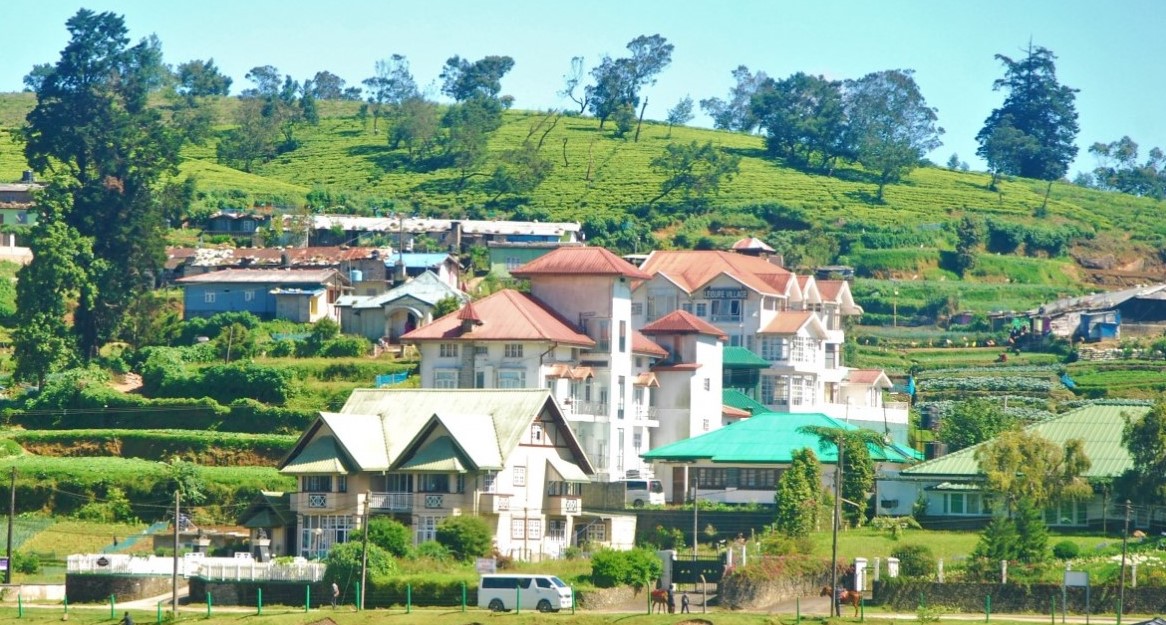
"From taro cultivation in Bogor to village tourism in Banyumas, every village has a story worth telling — and an opportunity worth sharing."
Seven areas of village knowledge
FolderDesa organizes its articles across these interconnected topics, each one grounded in real Indonesian village experience.
What you'll find on FolderDesa
Practical articles written by contributors who understand village life.
Agriculture & Cultivation
Articles on taro (talas bogor), dragon fruit, crystal guava, durian, oyster mushrooms, and tabulampot grapes — plus livestock such as dairy goats and Merino sheep.
Village-Owned Enterprises
Guides on establishing BUMDes, the differences from cooperatives, and why professional phased management matters for village economic growth.
Village Tourism
Coverage of destinations like Desa Karangkemiri in Banyumas, where outbound activities and a swimming pool helped tourism contribute Rp 50 million to village income in 2021.
Culinary Traditions
Indonesian village foods, Sundanese heritage dishes, spiced drinks, infused waters, seafood street-food ideas, and home-industry snack production.
Business Opportunities
From dried wood ear mushrooms and kopyor coconut seedlings to ecoprint crafting, bamboo crafts, and mina padi integrated rice-fish farming.
Village News & Community
Reports on social assistance programs like PKH, village governance structures, and practical tips such as safe homecoming travel during mudik season.
Running a Village Sugarcane Press for Fresh Juice and Brown Sugar
In the cane belts around Bundaberg and Mackay, Australian growers turn towering stalks into raw sugar by the truckload. Across the water in Indonesia, villages run a slower version of the same craft, pressing cane by hand to serve neighbours with chilled juice and brown sugar. For Australians curious about food provenance, or anyone running a small rural enterprise, the rhythm of a village sugarcane press offers practical lessons in frugality and direct trade. Learn more about The Basics Of Setting Up.
The two systems look very different on paper. A mill near Cairns might crush several thousand tonnes a day, while a village unit handles a few hundred kilograms before lunch. Yet the chain is the same: harvest, press, clarify, and either bottle the juice or reduce it to a block. Watching how a cooperative manages that chain can sharpen decisions made on a hobby block near Byron Bay or a stall at Brisbane Powerhouse markets. Learn more about The Story Of A Village.
Brown sugar made the slow way, often labelled jaggery or panela elsewhere, has a deep caramel flavour refined sugar never matches. Melbourne and Sydney chefs have started sourcing this kind of unrefined sweetener for desserts and cocktails. A small village press can produce both the bottled cold drink that suits a hot Sunday market and the dense brown block that travels well in a shipping carton.
For anyone considering their own micro-operation, the move from curiosity to consistent output usually begins with the right equipment and a clear sense of who will buy the product. The next sections walk through how a village press is set up, run, cleaned, and sold, with side notes for readers comparing the model to a small Australian farm or market garden.
Choosing the Right Press for the Setting
The first decision is mechanical. A hand-cranked roller press is cheap, easy to repair with locally made parts, and can be run by two or three people for an hour. It suits villages where electricity is patchy and the press doubles as a social gathering point. A diesel-driven roller mill processes far more cane per hour, which matters when the harvest window is short and storms are closing in.
The closest Australian parallel is the small electric juicer used by weekend vendors at farmers' markets in Adelaide or Brisbane. The village press is louder and slower, but more visible, which helps sales. Visitors like to watch the rollers turn, much like the queues at a Paddington stall watching olive oil poured from a tiny press. Anyone starting a new cooperative should learn the basics of setting up before crushing the first stalk, since registration, water supply and waste handling are easier to plan than retrofit.
Harvesting and Preparing the Cane
Cane quality decides flavour. Stalks should be cut close to the ground, topped, and stripped of leaves within hours of pressing, because sucrose begins to drop the moment the cane is severed. In a humid village the window can be twelve hours; in a drier Queensland winter it stretches a little, but the principle holds. Damaged sections should be sorted out and fed to livestock or composted.
Transport matters too. Cane bruised by long truck rides ferments faster and gives a slightly sour juice. A short haul from field to press, ideally on a motorbike trailer or small tractor, keeps the sugar content steady. Niche growers in the Atherton Tablelands press within an hour of cutting for the same reason, and credit that speed with the bright, grassy taste of their bottled juice.
Daily Cleaning and Food Safety Discipline
A sugarcane press is full of crevices where sweet residue hides, a perfect home for bacteria and wild yeasts. At the end of every session, rollers, trays, buckets and strainers must be rinsed, scrubbed with a mild citric acid solution, and left to dry in the sun. In a village drawing water from a shared well, that final drying step matters as much as the scrub.
Food safety rules are stricter in Australia, so any local operator bottling juice would need to register the premises, test pH and follow cold storage rules. Villages exporting brown sugar blocks usually find the dry product simpler to certify, since low moisture keeps it shelf-stable for months without refrigeration. The cooperative origin story of one such village shows how a clean routine opened doors to overseas specialty buyers.
Pressing Fresh Juice for Same-Day Sale
Fresh cane juice is at its best within hours of pressing. Once exposed to air, it darkens and slowly ferments, turning from clear pale green to cloudy amber. To serve it at peak quality, press small batches through the morning, keep bottles chilled in an ice bath, and sell them the same day. Adding a squeeze of lime or a few slices of ginger, a flavour familiar to drinkers at beach kiosks in Noosa, lifts the drink without masking the cane.
Pricing should reflect labour and short shelf life. A village stall charging the equivalent of one Australian dollar per cup sits at the low end; in tourist areas it climbs much higher. A handwritten sign naming the village, the date and the cane variety reassures buyers who already scan for provenance at home markets in Sydney or Melbourne.
| Output format | Daily volume | Shelf life | Typical packaging | Profit margin |
|---|---|---|---|---|
| Fresh juice | High in season | 6–12 hours | Plastic cups, bottles | Lower per unit |
| Chilled cane syrup | Medium | 2–3 weeks | Glass bottles | Medium |
| Brown sugar blocks | Medium | 6+ months dry | Wax paper, kraft | Higher per unit |
| Brown sugar powder | Low | 6+ months dry | Pouches, jars | Highest per unit |
Reducing Juice into Brown Sugar the Slow Way
Turning juice into brown sugar is a slower craft. The juice is poured into a wide iron pan over a steady wood fire and stirred as water evaporates. Once the syrup thickens enough to hold a spoon upright, it is poured into wooden moulds where it cools into dense blocks. Colour depends on reduction time and sediment left in the pan, giving traditional sugar its earthy, molasses-like depth.
Chefs in Fremantle and along the Mornington Peninsula, who lean on Indigenous bush ingredients, have been calling out for this kind of unrefined sweetener. A steady supply of well-packed blocks can travel by sea to specialty importers without spoiling, making brown sugar a more reliable export than bottled juice. The trade-off is patience: a single batch can take an entire afternoon to reach the right set.
Sales Channels and Where to Sell
The strongest sales channel for a village press is the same one used by small producers everywhere: face-to-face. A stall at a weekly market, a spot outside a temple festival, or a permanent roadside kiosk that sees passing tourists can each move serious volume. A small cube of brown sugar handed to a passer-by, or a cup of cold juice, turns curiosity into a sale faster than any sign.
Digital channels work alongside physical ones. A simple Instagram page showing the rollers turning, or a WhatsApp order list for regulars in the nearest town, mirrors what a small-batch maker in inner Sydney does to keep boutique buyers loyal. Wholesale to cafes and natural food shops is the next step, once output is steady enough for weekly deliveries.
Steady Habits That Keep the Mill Humming
A sugarcane press earns its keep through routine rather than drama. The operators who get the most out of their machines tend to follow a similar set of habits.
- Press within twelve hours of cutting whenever the climate allows.
- Clean rollers with citric acid water at the end of every session, never at the start of the next.
- Keep a sharpening stone, spare bolts and grease tin beside the mill so small faults are fixed on the spot.
- Rotate staff through each role, from cutting to firing the pan, so skill spreads across the group.
- Log every batch in a simple ledger noting weight in, juice out, and sugar produced.
- Store finished brown sugar blocks on raised wooden racks in a dry room away from direct sun.
- Reserve one quiet day each week for full inspection, bearing checks and bolt tightening.
The lesson that travels best from an Indonesian village to a small Australian enterprise is that the press is less a machine than a shared routine. Cane comes in, juice goes out, sugar cools on a rack, and a small ledger quietly fills with weights and dates. Treat the press as the centre of a weekly rhythm rather than a one-off project, and the fresh juice and brown sugar will keep showing up on the table, in the bottle, and at the market stall without anyone having to chase them.

Questions or story ideas from your village?
FolderDesa welcomes readers who want to share village experiences or learn more about the topics covered on the site.
Visit the Contact Page