
FolderDesa brings together practical knowledge on farming, village-owned enterprises, culinary traditions, rural tourism, and small-business ideas — all rooted in the everyday life of Indonesian villages.
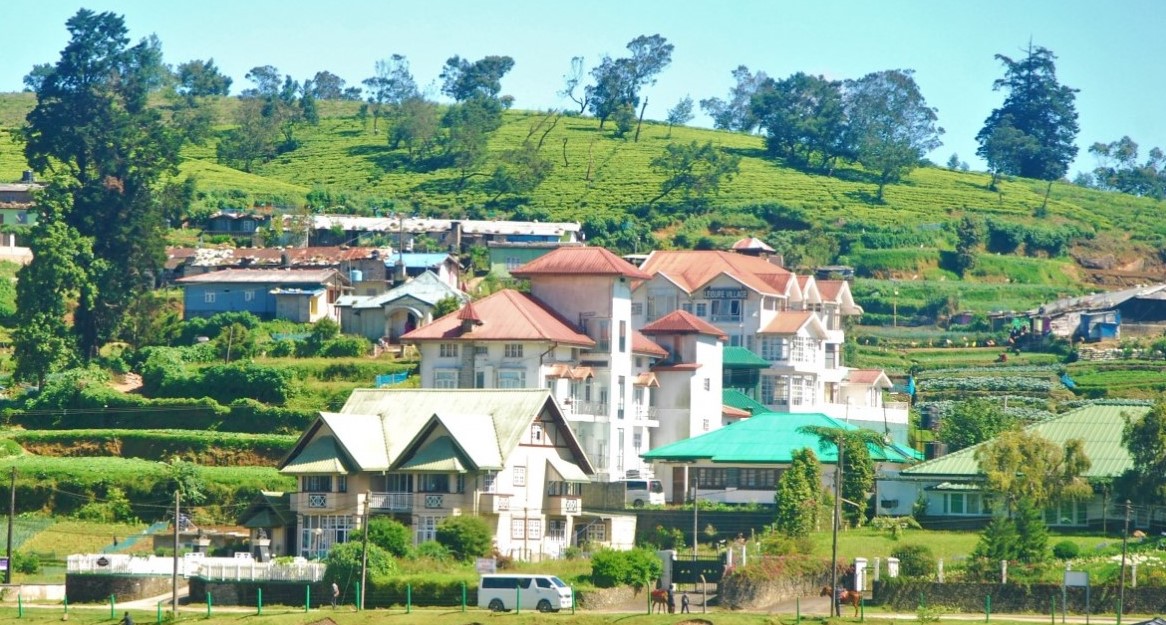
"From taro cultivation in Bogor to village tourism in Banyumas, every village has a story worth telling — and an opportunity worth sharing."
Seven areas of village knowledge
FolderDesa organizes its articles across these interconnected topics, each one grounded in real Indonesian village experience.
What you'll find on FolderDesa
Practical articles written by contributors who understand village life.
Agriculture & Cultivation
Articles on taro (talas bogor), dragon fruit, crystal guava, durian, oyster mushrooms, and tabulampot grapes — plus livestock such as dairy goats and Merino sheep.
Village-Owned Enterprises
Guides on establishing BUMDes, the differences from cooperatives, and why professional phased management matters for village economic growth.
Village Tourism
Coverage of destinations like Desa Karangkemiri in Banyumas, where outbound activities and a swimming pool helped tourism contribute Rp 50 million to village income in 2021.
Culinary Traditions
Indonesian village foods, Sundanese heritage dishes, spiced drinks, infused waters, seafood street-food ideas, and home-industry snack production.
Business Opportunities
From dried wood ear mushrooms and kopyor coconut seedlings to ecoprint crafting, bamboo crafts, and mina padi integrated rice-fish farming.
Village News & Community
Reports on social assistance programs like PKH, village governance structures, and practical tips such as safe homecoming travel during mudik season.
Roasting and Packing Coffee at the Village Level in Indonesia
Indonesian villages are turning small arabica plots into a real livelihood, and Australians have noticed. Across Sumatra, Flores and Toraja, farmer groups that once sold parchment at the farmgate now run drum roasters beside the family home, fill bags by hand and ship samples to cafes in Sydney and Melbourne. The shift from commodity green bean to packaged product is reshaping the rural economy one batch at a time.
Australia is one of the most demanding coffee markets outside Europe. Melbourne is said to host more specialty roasters per capita than any other city, while Sydney's Surry Hills and Brisbane's Fortitude Valley corridors keep launching new labels. Flat whites, single origins and lighter Scandinavian-style roasts shape what shoppers expect on the shelf, so village roasters aiming for Australian buyers must understand those tastes before lighting the drum.
The entry cost has dropped sharply. A second-hand 5 kg sample roaster, a digital thermometer and a hand-operated sealer cost about the same as a small motorbike. Combined with phone apps that log roast curves, even a household operation can produce consistent profiles. For village-owned enterprises (BUMDes), the outlay is now a normal working-capital expense rather than a capital gamble.
Getting the business right requires discipline. The Australian importer who buys a 60 kg sack will also want a food-safety declaration, a traceable lot code and a label that meets local regulations. The sections below walk through green-bean sourcing, roasting, packaging, branding, exporting and shared governance for a small village operation.
Sourcing Green Beans from Surrounding Farms
Quality begins long before the roaster is lit. Most village operations buy cherry or parchment from farms within an hour's drive, paying a premium over the local wet-mill price so growers see an immediate benefit. Print that rate on a whiteboard in the buying station and share it in the village WhatsApp group; transparency keeps pickers loyal when competing collectors drive through.
Selective picking is the next pressure point. Pay per kilogram of ripe cherry rather than per hour, so the basket holds only red and yellow fruit. A simple floating tank, the kind used in Sulawesi for wet-hulled processing, rejects under-ripe beans cheaply before they reach the drying patio. Keep lots separated by farm and harvest week so single-farm micro-lots can later be offered to buyers in Brisbane or Melbourne who want a story to print on the bag.
Setting Up the Roasting Room
The roasting room can be a converted goat shed, a warehouse corner or a purpose-built bamboo pavilion. Good ventilation, a sealed floor, a fire extinguisher and a roof that does not drip onto the drum are the non-negotiables. Keep the space single-purpose; storing fertiliser, paint or fuel beside a hot roaster is the fastest way to fail a food-safety audit.
A 5 to 15 kg drum roaster on liquefied petroleum gas is the workhorse of most setups. Pair it with a thermocouple probe linked to a phone running Artisan or Cropster, so curves can be reviewed after each batch. Train at least two operators per shift so production does not stall when someone is sick or at a family ceremony, and document each profile before scaling up.
Packaging, Labelling and Shelf Life
Packaging is where many village roasters lose money. A plain plastic sack with a handwritten sticker will not survive a customs inspection in Brisbane or a shelf next to a Tin Peaks or Padre label in a Melbourne grocer. Invest in foil-lined bags with a one-way valve, even in 500-piece runs, and seal them with a small impulse sealer.
Labelling must follow Food Standards Australia New Zealand if the coffee crosses the Tasman. The mandatory elements are a lot identifier, a best-before date, a country of origin, a net weight in metric units and an allergen statement, even when the answer is none. For sales inside Indonesia, SNI rules still apply, so write the label to satisfy both. Training village guides to walk visitors through the roast process also doubles as a quiet marketing channel for agritourism.
Building the Brand and Selling Locally
A village brand should feel rooted, not generic. Use the village name, a local landmark or a regional coffee variety on the bag, and commission a designer in Bandung or Yogyakarta for a label that works at small print runs; many will trade a discount for a credit on the back of the pack. Keep a phone in the cupping room so harvest and roasting photos can be lifted straight into marketing material.
Local sales reach different groups. Warung kopi along the main road, homestays for weekend hikers and BUMDes retail outlets each serve their own crowd, while a Saturday cupping table at the local pasar builds a loyal subscriber base. Australian visitors travelling through Bali, Lombok or Flores are an under-used channel. Mentioning using local ingredients and labour resonates with ethically minded consumers in Adelaide and Perth who look for that language on the label.
Reaching Australian Buyers
The Australian Specialty Coffee Association and the Melbourne Coffee Merchants map are useful starting points, but cold-emailing rarely works. A better path is to enter a regional cup competition, such as the Indonesia Specialty Coffee Auction, where green-bean buyers from companies like Green Beanery or Single Origin Roasters send scouts. Once a relationship starts, expect detailed questions on moisture content, water activity, screen size, defect counts, processing method, altitude, varietal and harvest date.
Logistics are the final hurdle. Sea freight from Surabaya or Makassar to either Sydney or Melbourne takes roughly three to four weeks, and the cost is manageable when shared across a full pallet. Work with a freight forwarder who already handles coffee; they will advise on phytosanitary certificates, fumigation and the import declaration required by the Australian Department of Agriculture, Fisheries and Forestry. Plan a 60-day cash-flow buffer between shipping and the first invoice being paid.
Cooperative Models and Day-to-Day Governance
Most successful village roasters are organised as a cooperative unit or a sub-unit of the local BUMDes, with a clear split between the cooperative, which owns the roaster and the brand, and individual farmers, who supply cherry and parchment. A simple shareholders' agreement, signed by all members and witnessed by the village head, prevents the disputes that otherwise swallow small profits.
Keep meetings short and on a fixed monthly schedule, with a printed agenda and minutes. Rotate the treasurer role every two years so no single person controls the cash, and publish a one-page profit-and-loss statement each quarter. Ring-fence profit for three purposes: a maintenance fund for the roaster, a quality premium for farmers who consistently deliver ripe cherry, and a small reserve for training the next generation of cuppers.
A useful first step this month is to gather three farmers, the village secretary and a BUMDes representative in one room and agree on a single written green-bean buying price for the next harvest. With that number on the wall, every other decision in the roasting and packaging chain becomes easier to make.

Questions or story ideas from your village?
FolderDesa welcomes readers who want to share village experiences or learn more about the topics covered on the site.
Visit the Contact Page