
FolderDesa brings together practical knowledge on farming, village-owned enterprises, culinary traditions, rural tourism, and small-business ideas — all rooted in the everyday life of Indonesian villages.
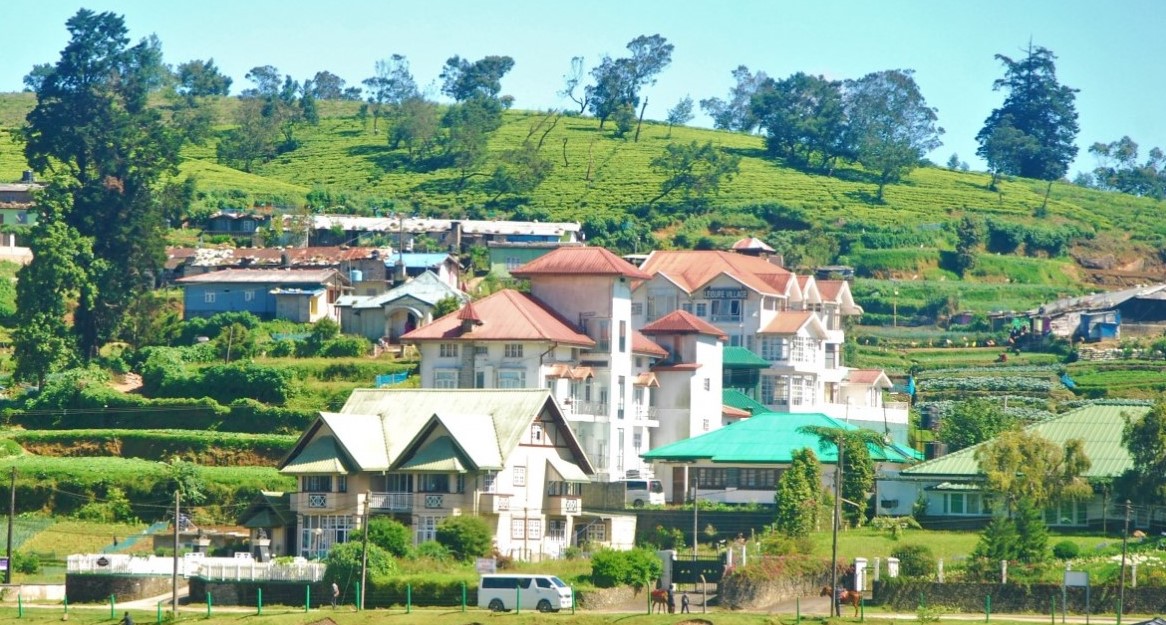
"From taro cultivation in Bogor to village tourism in Banyumas, every village has a story worth telling — and an opportunity worth sharing."
Seven areas of village knowledge
FolderDesa organizes its articles across these interconnected topics, each one grounded in real Indonesian village experience.
What you'll find on FolderDesa
Practical articles written by contributors who understand village life.
Agriculture & Cultivation
Articles on taro (talas bogor), dragon fruit, crystal guava, durian, oyster mushrooms, and tabulampot grapes — plus livestock such as dairy goats and Merino sheep.
Village-Owned Enterprises
Guides on establishing BUMDes, the differences from cooperatives, and why professional phased management matters for village economic growth.
Village Tourism
Coverage of destinations like Desa Karangkemiri in Banyumas, where outbound activities and a swimming pool helped tourism contribute Rp 50 million to village income in 2021.
Culinary Traditions
Indonesian village foods, Sundanese heritage dishes, spiced drinks, infused waters, seafood street-food ideas, and home-industry snack production.
Business Opportunities
From dried wood ear mushrooms and kopyor coconut seedlings to ecoprint crafting, bamboo crafts, and mina padi integrated rice-fish farming.
Village News & Community
Reports on social assistance programs like PKH, village governance structures, and practical tips such as safe homecoming travel during mudik season.
Managing a Village Duck Plucking and Egg Grading Service
A village duck service can turn two ordinary rural activities—processing birds and sorting eggs—into a reliable source of income. The opportunity is strongest where farmers keep ducks in small flocks but lack clean equipment, trained labour, packaging, or regular buyers. Learn more about Shang Dian Zhu Xiangke Kyanpen Can Jia Shenshi Yumi Shino Bi Yao Shu Leito Liure.html.
The business can serve households, food stalls, restaurants, caterers, and village traders. A clear separation between live-bird handling, plucking, egg grading, storage, and customer collection helps protect food quality and makes the work easier to price.
For Australian readers, the closest comparison may be a small regional food enterprise supplying customers around Brisbane, Melbourne, or a farming district near Bendigo. Customers commonly expect clean packaging, traceability, predictable collection times, and payment by card or bank transfer, even when the supplier is a village cooperative.
In Indonesia, the same service can sit within a BUMDes or a farmer group. It should be planned as a practical facility rather than an informal side job. The village should check local livestock, slaughter, waste, labour, and food-safety requirements before accepting commercial orders.
| Service area | Main customer need | Essential control | Possible income |
|---|---|---|---|
| Duck plucking | Clean, fast preparation | Hot-water temperature and sanitation | Per bird |
| Egg grading | Consistent size and quality | Candling, weighing, and batch records | Per tray or dozen |
| Packing | Safe transport and presentation | Clean cartons and labels | Packaging margin |
| Collection or delivery | Convenience and punctuality | Order schedule and insulated storage | Delivery fee |
Choosing A Practical Service Model
Start by measuring local demand. Count the number of duck farmers, market vendors, restaurants, noodle sellers, hotels, and household buyers within a practical travel distance. A modest facility may begin with plucking on two fixed days and egg grading on several mornings each week.
The service can charge per bird, per tray, or by kilogram, depending on customer habits. Farmers who bring their own ducks may prefer a processing fee, while restaurants may want a complete package that includes plucking, cleaning, packing, and delivery. Keep these services separate on the price list so customers understand what they are paying for.
A village-owned enterprise can provide the legal and financial structure, while farmers supply birds and eggs. Examples of how village businesses organise commercial activities are available through village enterprise examples. A cooperative model may work better where several producer groups already share transport and market access.
Designing A Clean Workflow
The facility should have a one-way flow: receiving, holding, slaughter or collection, scalding, plucking, washing, inspection, packing, and dispatch. Eggs should move through a separate area so shells do not contact feathers, blood, dirty crates, or wastewater.
For duck processing, record the supplier, number of birds, arrival time, processing time, and returned weight where relevant. Use washable floors, drainage, handwashing points, covered bins, and clearly marked tools. Wastewater and feathers need a disposal plan that will not create odour, flies, or contamination near homes and waterways.
Egg grading can use candling to identify cracks, dirt, blood spots, and internal defects. Weighing scales then separate eggs into agreed categories. Australian buyers often understand size classes such as small, medium, large, and extra-large, but a village business should publish its own gram ranges and apply them consistently.
Equipment, Hygiene, And Worker Safety
Basic equipment may include stainless or food-grade tables, scalding tubs, plucking machines, knives, crates, scales, candling lamps, trays, labels, thermometers, aprons, boots, hair coverings, and cleaning chemicals. Buying a small machine that is easy to repair locally is usually safer than relying on specialised equipment with no nearby technician.
Workers need short written procedures for handwashing, tool cleaning, hot-water use, cuts, lifting, and dealing with broken eggs. In Australia, comparable businesses must consider state or territory food laws, council registration, and the Food Standards Australia New Zealand Food Standards Code. Indonesian operators should ask the relevant local authority which permits and inspection standards apply to their facility.
Keep raw and finished products apart. Do not wash dirty eggs casually with unsafe water or store processed ducks beside ungraded eggs. Chilled storage, clean containers, and delivery timing should be selected according to the product and the applicable local rules.
Pricing, Records, And Customer Trust
Calculate the full cost per bird and per tray. Include water, electricity, fuel, labour, cleaning supplies, packaging, equipment maintenance, rejected products, rent, administration, and waste disposal. A low advertised price can quickly become a loss if workers spend extra time removing feathers or sorting damaged eggs.
Maintain a daily sheet showing orders received, quantities processed, grades produced, rejected items, cash or digital payments, and customer complaints. A simple spreadsheet is sufficient at first. Australian customers may expect invoices and electronic receipts, while village customers may prefer WhatsApp orders and cash collection, so the system should support both.
Labels should include the product name, quantity, grade, packing date, producer or service name, storage advice, and contact number. If the eggs come from several farms, use batch codes that connect the tray to the collection date and supplier group. This makes complaints easier to investigate and gives reliable farmers a reason to maintain quality.
Finding Buyers And Building A Local Brand
Begin with repeat buyers rather than trying to supply every market. Food stalls, satay sellers, restaurants, boarding houses, and village shops can provide predictable weekly orders. In cities such as Sydney or Perth, consumers often shop through weekend farmers’ markets and value farm stories, but a village service should first prove that it can meet quantity and delivery commitments.
A clean brand can show the village name, production area, service standards, and contact details. Photos of the facility should show orderly work, covered products, and clean workers rather than only finished food. Basic promotional ideas can also be adapted from this retail campaign guide, especially its focus on clear offers and customer participation.
Australian eating habits offer useful lessons: many households plan weekly shopping, compare prices online, and prefer convenient packs that fit a refrigerator. In an Indonesian village, scheduled collection points, subscription egg trays, and delivery routes can provide similar convenience without expensive advertising.
Managing People, Risk, And Growth
Assign one person to receiving and records, one to processing, one to egg grading and packing, and one to cleaning and dispatch. Rotate physically demanding tasks where possible. Pay attention to heat, slippery floors, repetitive hand movements, and knife injuries; these are operational risks, not minor details.
A village layout can help separate traffic, water, storage, waste, and customer access. The village design guide can support wider planning discussions when the service needs a better site, drainage, transport connection, or shared market space.
Use short checklists to keep service consistent:
- Confirm supplier, quantity, and collection time.
- Check scales, thermometers, tools, and protective equipment.
- Record rejected birds, cracked eggs, and customer complaints.
- Clean and inspect the facility before closing.
Review these warning signs each month:
- Orders are rising faster than cleaning capacity.
- Customers receive different grades at the same price.
- Wastewater, feathers, or odour affect nearby residents.
- Equipment downtime is delaying deliveries.
Expansion should follow proven demand. Add a second shift, cold storage, delivery equipment, or a larger plucking machine only after the existing service has stable records and enough margin. The next concrete step is to survey ten nearby farmers and five food businesses, then calculate a trial price for processing 100 ducks and grading 1,000 eggs in one week.

Questions or story ideas from your village?
FolderDesa welcomes readers who want to share village experiences or learn more about the topics covered on the site.
Visit the Contact Page