
FolderDesa brings together practical knowledge on farming, village-owned enterprises, culinary traditions, rural tourism, and small-business ideas — all rooted in the everyday life of Indonesian villages.
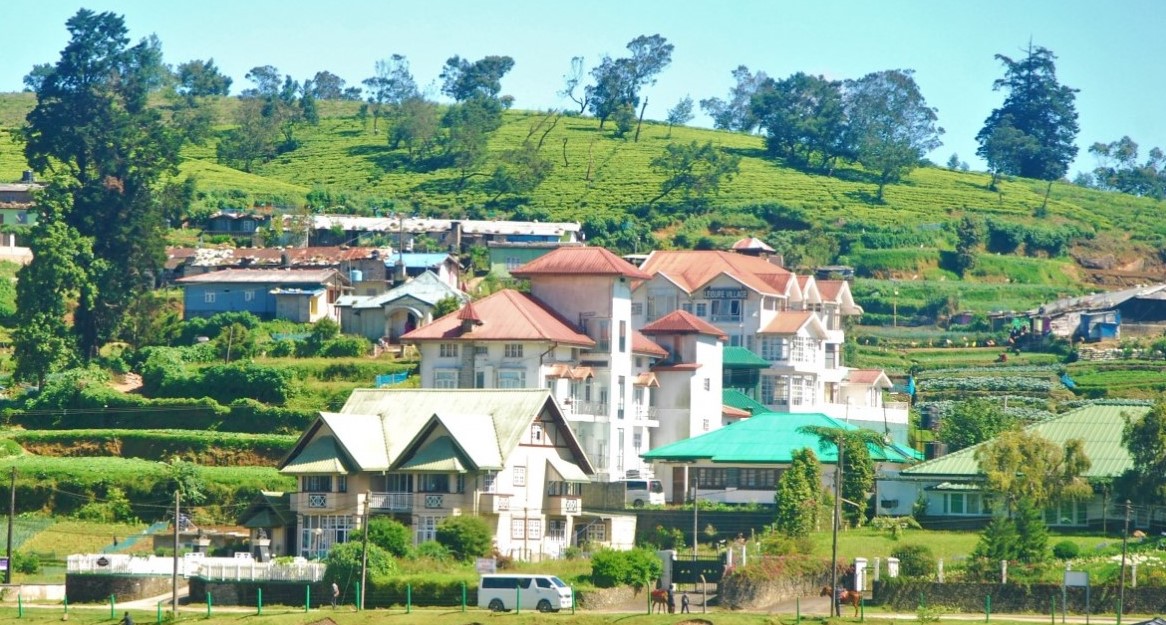
"From taro cultivation in Bogor to village tourism in Banyumas, every village has a story worth telling — and an opportunity worth sharing."
Seven areas of village knowledge
FolderDesa organizes its articles across these interconnected topics, each one grounded in real Indonesian village experience.
What you'll find on FolderDesa
Practical articles written by contributors who understand village life.
Agriculture & Cultivation
Articles on taro (talas bogor), dragon fruit, crystal guava, durian, oyster mushrooms, and tabulampot grapes — plus livestock such as dairy goats and Merino sheep.
Village-Owned Enterprises
Guides on establishing BUMDes, the differences from cooperatives, and why professional phased management matters for village economic growth.
Village Tourism
Coverage of destinations like Desa Karangkemiri in Banyumas, where outbound activities and a swimming pool helped tourism contribute Rp 50 million to village income in 2021.
Culinary Traditions
Indonesian village foods, Sundanese heritage dishes, spiced drinks, infused waters, seafood street-food ideas, and home-industry snack production.
Business Opportunities
From dried wood ear mushrooms and kopyor coconut seedlings to ecoprint crafting, bamboo crafts, and mina padi integrated rice-fish farming.
Village News & Community
Reports on social assistance programs like PKH, village governance structures, and practical tips such as safe homecoming travel during mudik season.
How to Design a Village Website That Attracts Visitors
A village website can do far more than display an address and a few photographs. When planned carefully, it becomes a digital gateway to local attractions, farm products, traditional food, homestays, community events, and investment opportunities. For Indonesian villages, it can connect residents with visitors while giving local businesses a more credible public presence.
The most effective village websites are useful before, during, and after a trip. A visitor should be able to discover what makes the village special, plan a realistic journey, contact the right person, and share the experience afterward. Clear information builds trust faster than decorative design alone.
Good web development also supports village economic development. A tourism village can promote guides and accommodation, a farming community can introduce seasonal products, and a BUMDes can explain its services. The key is to combine local character with practical information.
Start with a clear visitor purpose
Before choosing colors or commissioning photographs, decide which audiences the site must serve. Weekend travelers may need transport details and opening hours, while families may search for safe activities, toilets, parking, and food. Potential buyers of village products will look for prices, ordering methods, delivery areas, and production stories.
Create a short list of visitor questions and make those questions the foundation of the site. “What can I do?”, “Where can I stay?”, “How do I get there?”, and “Who can I contact?” should be answered within a few clicks. A simple navigation menu is usually more effective than a crowded homepage filled with unrelated announcements.
The website should also define a specific promise. A village known for terraced farms might focus on agro-tourism and seasonal experiences. Another may highlight coastal culture, craft workshops, or traditional cuisine. A distinct identity helps visitors remember the destination and helps search engines understand its subject.
Build pages that support real decisions
A useful village tourism website normally includes a homepage, destination guide, activities, accommodation, local food, products, events, contact details, and travel information. Each page should have a clear purpose rather than repeating the same general description.
Practical details deserve prominent placement. Include map coordinates, estimated travel time from nearby towns, road conditions, entrance fees, reservation procedures, payment options, and operating schedules. If mobile reception, electricity, or cash access is limited, explain that honestly. Accurate expectations create better visitor experiences.
Use calls to action that match the page. An activity page can invite people to reserve a tour, while a product page can lead to a WhatsApp order or marketplace listing. For villages selling agricultural goods, this guide to online product marketing can help connect website traffic with actual sales.
Make local stories easy to discover
Visitors are attracted by experiences, but they are persuaded by meaning. Explain who manages the attraction, how residents benefit, and which traditions or landscapes deserve respect. A short interview with a farmer, cook, guide, or craft maker can make a destination feel more personal than a generic promotional paragraph.
Use strong visual storytelling, but keep it grounded. Photograph real people at work, local paths, harvest activities, cooking demonstrations, and community spaces. Add captions that identify the place and activity. Avoid using stock photos that suggest facilities or scenery the village does not have.
Traditional food can become a major reason to visit. Feature signature dishes, ingredients, preparation methods, and where visitors can taste them. A collection of village food stories can inspire ideas for pages about culinary heritage, local restaurants, and food-based travel itineraries.
Design for phones and slow connections
Many visitors will access the site from a smartphone while traveling. The layout should load quickly, use readable text, and keep buttons large enough for touch navigation. Put essential information near the top of each page, especially directions, contact details, booking links, and opening hours.
Compress photographs before uploading them and avoid automatic video playback. A lightweight design is valuable in areas with unstable internet access. Test the site on affordable Android phones and slower mobile connections, not only on office computers with fast broadband.
Accessibility also improves usability for everyone. Use sufficient color contrast, descriptive image text, clear headings, and meaningful link labels. Visitors should not have to interpret icons or hover over buttons to understand what will happen next.
| Website element | What visitors need | Useful village content |
|---|---|---|
| Homepage | A quick reason to visit | Main attraction, location, current highlights |
| Destination guide | Planning information | Routes, maps, fees, hours, travel time |
| Activities page | A clear experience | Farming, trekking, workshops, river trips |
| Accommodation page | Confidence before booking | Facilities, rates, photos, contact person |
| Food page | Local taste and availability | Signature dishes, vendors, meal schedules |
| Product page | A simple way to buy | Prices, order process, delivery information |
| Contact page | Direct assistance | WhatsApp, email, office hours, map pin |
Help visitors find the village online
Search engine optimization for a rural destination begins with specific language. Use the village name together with terms such as “village tourism,” “homestay,” “agro-tourism,” “traditional food,” or the nearest major town. These phrases should appear naturally in page titles, headings, descriptions, and image captions.
Create separate pages for major attractions instead of placing everything in one long article. A page about a waterfall, for example, can explain the route, safety conditions, recommended footwear, and nearby food stalls. This gives search engines more useful context and gives visitors a direct link to share.
Keep the information fresh. Update event schedules, harvest seasons, prices, contact numbers, and road notices. Encourage local managers to maintain a shared content calendar so the website does not look abandoned after its launch. Links from regional government pages, schools, travel communities, and reputable local businesses can also strengthen its visibility.
Turn visits into local benefits
A successful website should show visitors how to participate in the village economy. Present official guides, homestays, food sellers, craft groups, transport providers, and BUMDes services with transparent contact information. If several providers offer similar services, explain how each one differs instead of favoring unclear promotions.
Build simple visitor pathways. Someone reading about a rice-field walk should see nearby lunch options and a place to stay. Someone viewing a craft product should find workshop information and a purchase link. These connections increase the chance that visitors will stay longer and spend money with several local enterprises.
Collect feedback through a short form, guestbook, or post-visit message. Ask which information was difficult to find and which activities people enjoyed. Website analytics can reveal popular pages, referral sources, and common search terms, allowing village managers to improve content based on evidence.
Set priorities before the launch
A small team can create a strong first version by focusing on accuracy and usefulness rather than trying to publish every possible feature. Assign responsibility for writing, photography, updates, visitor inquiries, and technical maintenance.
- Publish verified location, schedule, pricing, and contact information first.
- Photograph real attractions, residents, facilities, and visitor activities.
- Create one dedicated page for every major experience or service.
- Add WhatsApp or another direct booking channel where appropriate.
- Review content monthly and update seasonal information promptly.
After launch, measure practical outcomes such as inquiries, reservations, product orders, event attendance, and referrals to local businesses. These indicators show whether the website is supporting village livelihoods, not merely collecting page views.
A village website becomes valuable when it reflects the community accurately and helps people take the next step. Begin with a few well-organized pages, involve local businesses and residents, and publish information visitors can trust. Then share the site through social media, travel networks, schools, government channels, and every local enterprise ready to welcome new guests.

Questions or story ideas from your village?
FolderDesa welcomes readers who want to share village experiences or learn more about the topics covered on the site.
Visit the Contact Page