
FolderDesa brings together practical knowledge on farming, village-owned enterprises, culinary traditions, rural tourism, and small-business ideas — all rooted in the everyday life of Indonesian villages.
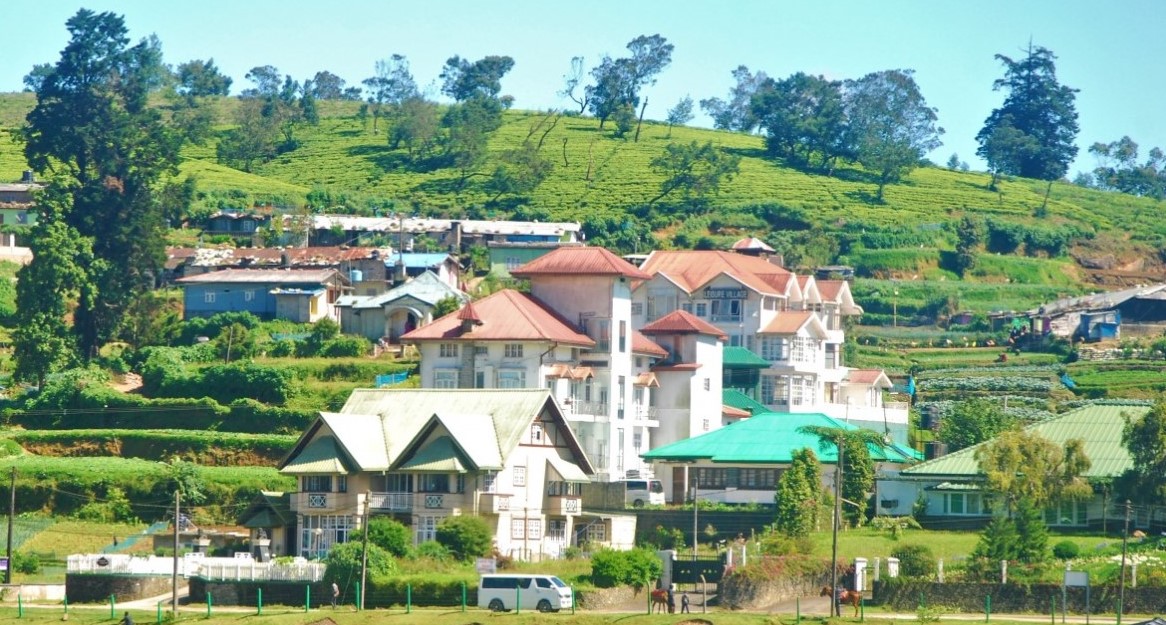
"From taro cultivation in Bogor to village tourism in Banyumas, every village has a story worth telling — and an opportunity worth sharing."
Seven areas of village knowledge
FolderDesa organizes its articles across these interconnected topics, each one grounded in real Indonesian village experience.
What you'll find on FolderDesa
Practical articles written by contributors who understand village life.
Agriculture & Cultivation
Articles on taro (talas bogor), dragon fruit, crystal guava, durian, oyster mushrooms, and tabulampot grapes — plus livestock such as dairy goats and Merino sheep.
Village-Owned Enterprises
Guides on establishing BUMDes, the differences from cooperatives, and why professional phased management matters for village economic growth.
Village Tourism
Coverage of destinations like Desa Karangkemiri in Banyumas, where outbound activities and a swimming pool helped tourism contribute Rp 50 million to village income in 2021.
Culinary Traditions
Indonesian village foods, Sundanese heritage dishes, spiced drinks, infused waters, seafood street-food ideas, and home-industry snack production.
Business Opportunities
From dried wood ear mushrooms and kopyor coconut seedlings to ecoprint crafting, bamboo crafts, and mina padi integrated rice-fish farming.
Village News & Community
Reports on social assistance programs like PKH, village governance structures, and practical tips such as safe homecoming travel during mudik season.
Managing a Village Duck Farm for Meat and Eggs
A village duck farm links breeding, feed, egg collection, meat processing, cash flow and dependable buyers. In Indonesia, ducks can turn rice-field forage and shared labour into two useful products: eggs for regular income and meat for larger sales.
For Australian farmers and community groups, the model can be adapted without copying every Indonesian practice. Buyers around Melbourne and Sydney speak in dozens of eggs and dressed birds, while farm-gate customers ask whether stock is free-range, grain-fed or pasture-raised. Climate, welfare rules and transport should shape the flock from the start.
Set the flock's production role
Choose a clear production role before buying birds. Pekin ducks suit rapid meat growth, Khaki Campbell hens are strong layers, and Muscovy ducks offer lean meat, broodiness and heat tolerance. Keep age groups separate and track each batch so feed and labour are not hidden in a vague flock average.
In village enterprises, laying ducks provide steady cash flow while young males and spent layers supply meat. This balance reduces risk: egg sales cover daily costs, and meat sales create seasonal payments. A village-owned enterprise (BUMDes) or farmer cooperative can pool birds from several households under one record system.
Match the breed to the place. Grain and cool conditions around Orange and Mudgee in central-west New South Wales can favour meat birds, while irrigated pasture in the Riverina may lower forage costs. Tropical Indonesian sites need other heat and disease controls. Set flock size from confirmed sales, labour, land and feed cash.
Build housing that protects birds and eggs
Give ducks a dry, predator-proof sleeping area, clean water, shade and enough space to forage. Fencing must exclude foxes, dogs, snakes and wild birds, while shelter protects hens from sun and heavy rain. Keep nest boxes dark and dry; wet, crowded housing causes dirty eggs, foot problems and rapid disease spread.
Feed is the largest controllable cost. Combine a balanced ration with safe pasture, aquatic forage or crop residues, but never assume rice bran or field plants alone will keep a layer healthy. Provide clean water and separate layer, grower and breeder feed. Check appetite, droppings and body condition daily; the annual moulting can pause laying and growth.
Manage breeding and egg quality
Decide whether to breed replacements or buy young birds. Breeding allows selection for fertility, temperament and local feed efficiency, but adds hatchery work, separate drakes, nest management and brooding. Quarantine new stock before joining the flock, then record hatch rate, weak ducklings and early mortality rather than counting only strong survivors.
Collect eggs at least twice daily, reject cracked or leaking eggs, and keep clean and dirty batches apart. Australian cartons are commonly sold by the dozen, so a simple count standard simplifies payment. Follow food-safety rules on washing, refrigeration and labelling; Indonesian producers should check national and district requirements. Unfertilised eggs remain saleable, but cracked eggs never enter the carton.
Plan meat output around demand
Plan meat batches around weight and cash flow. Agree on a target live or dressed weight with the buyer, then select the breed and feed program. Track average daily gain and feed conversion, since a slow-growing bird can consume more feed than its meat justifies. Book processing, freezer space and packaging before the birds reach slaughter weight.
Seasonality matters in both markets. Christmas is a major peak for roast duck in Australia, while restaurants place steadier smaller orders; egg demand is usually less seasonal. Indonesian village meat birds may follow feast days and harvest cycles. For market planning, the New Jersey Route 22 corridor offers a useful transport analogy: a major road can extend the customer reach of roadside businesses. The same lesson applies to duck collection, so agree who pays transport, where birds are unloaded and how cold-chain delays will be handled.
Price for the real buyer
Calculate the full cost per dozen eggs and per kilogram of dressed meat. Include birds, feed, bedding, labour, utilities, mortality, packaging, transport, finance and rejected stock. A cooperative can reduce costs through bulk feed buying or shared processing, but shared overhead must still appear in each member's price. Compare the seller's minimum return with the buyer's quality and delivery requirements.
Understand the route to market before choosing volume. Indonesian producers may sell through collectors, local markets and restaurants; Australian equivalents include farm-gate stalls, independent grocers, restaurants and wholesale markets in Melbourne and Sydney. Wholesale buyers pay for predictable grades and punctual volume; direct customers reward a clear story but take more time to serve. A buyer may call a quote a “fair dinkum price”, but useful negotiating fair prices starts with documented costs, payment terms and rejected-delivery costs.
Use daily checks and batch records
Simple routines prevent small losses from becoming farm-wide problems. Write the daily checks on a board near the shed and follow the same order each day:
- Count birds and note unusual behaviour or injuries.
- Check feed, water, ventilation and overnight security.
- Collect eggs twice daily and inspect each batch.
- Record deaths, veterinary advice and treatments.
Batch records should answer a different set of questions:
- Which birds were hatched, bought or moved?
- What feed, labour and mortality did each batch use?
- How many eggs or meat birds were saleable?
- Who bought them, for how much and when was payment due?
Review records monthly against the budget, keeping feed, medicines and replacement birds separate from household spending. Isolate sick birds, restrict visitors and clean footwear between sheds; follow state advice on avian influenza and notify the relevant authority when required. Australian councils may require approval for structures, manure handling or roadside sales, while Indonesian managers follow local veterinary and agricultural rules.
Remember what makes the farm last
Profitability comes from steady flock health, predictable output and buyers receiving what they ordered. Small flocks can test breeds and prices before a village commits more capital. A simple spreadsheet of sales, feed use, mortality and unpaid invoices often reveals more than larger, informal records.
The lesson to remember is straightforward: a duck farm earns trust when the flock is healthy, the numbers behind each batch are clear, and the buyer receives a consistent product. Strong records, humane care and dependable delivery protect village income as much as good husbandry does.

Questions or story ideas from your village?
FolderDesa welcomes readers who want to share village experiences or learn more about the topics covered on the site.
Visit the Contact Page