
FolderDesa brings together practical knowledge on farming, village-owned enterprises, culinary traditions, rural tourism, and small-business ideas — all rooted in the everyday life of Indonesian villages.
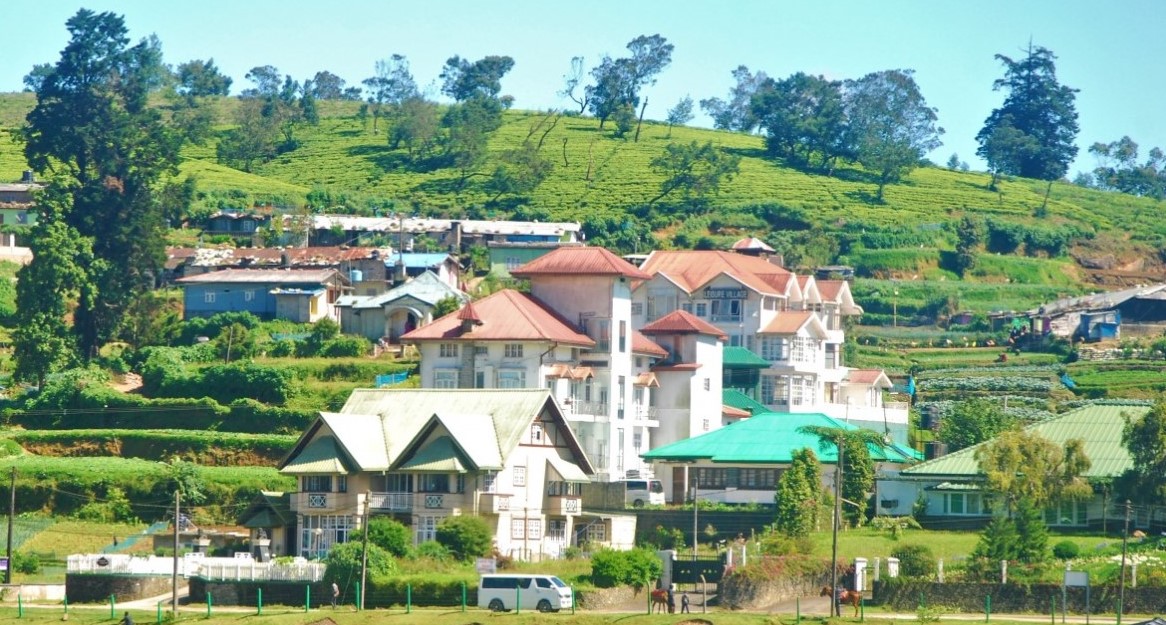
"From taro cultivation in Bogor to village tourism in Banyumas, every village has a story worth telling — and an opportunity worth sharing."
Seven areas of village knowledge
FolderDesa organizes its articles across these interconnected topics, each one grounded in real Indonesian village experience.
What you'll find on FolderDesa
Practical articles written by contributors who understand village life.
Agriculture & Cultivation
Articles on taro (talas bogor), dragon fruit, crystal guava, durian, oyster mushrooms, and tabulampot grapes — plus livestock such as dairy goats and Merino sheep.
Village-Owned Enterprises
Guides on establishing BUMDes, the differences from cooperatives, and why professional phased management matters for village economic growth.
Village Tourism
Coverage of destinations like Desa Karangkemiri in Banyumas, where outbound activities and a swimming pool helped tourism contribute Rp 50 million to village income in 2021.
Culinary Traditions
Indonesian village foods, Sundanese heritage dishes, spiced drinks, infused waters, seafood street-food ideas, and home-industry snack production.
Business Opportunities
From dried wood ear mushrooms and kopyor coconut seedlings to ecoprint crafting, bamboo crafts, and mina padi integrated rice-fish farming.
Village News & Community
Reports on social assistance programs like PKH, village governance structures, and practical tips such as safe homecoming travel during mudik season.
How Farmers Can Negotiate Fair Prices With Middlemen
For many Indonesian farmers, middlemen connect village harvests with wholesalers, markets, processors, and retailers. They often provide useful services, including advance payments, collection, sorting, transport, and access to buyers outside the village. The problem begins when farmers accept a price without knowing how it was calculated or what deductions will later be made.
A fair negotiation does not mean rejecting every middleman. It means understanding production costs, checking market conditions, agreeing on quality standards, and making payment terms clear. With better preparation, farmers can protect their income while maintaining business relationships that support regular sales.
This approach is especially important for perishable products such as mangoes, chilies, vegetables, and fresh fish. A farmer who waits too long for the perfect buyer may lose quality and bargaining power, while a farmer who accepts the first offer may sell below the harvest’s real value.
Understand The Role Of The Middleman
Middlemen, often called tengkulak in everyday conversation, usually earn money by reselling produce after covering transport, labor, storage, spoilage, and market fees. Their offered price may therefore be lower than the price seen in a city market. However, that difference should be explained clearly rather than used to pressure farmers.
Ask what services are included in the offer. Does the buyer collect produce from the farm? Who pays for packaging, loading, weighing, and delivery? Is the price based on gross weight or usable product after sorting? These details reveal whether a lower farmgate price is reasonable or simply taking advantage of limited information.
Farmers should also distinguish between a buyer offering convenience and one creating dependency. Credit received before harvest can be valuable, but it may come with an informal obligation to sell at a fixed price. Write down the amount borrowed, repayment terms, and expected selling arrangement before accepting such support.
Prepare A Reliable Price Reference
A negotiation is stronger when it uses several sources of information. Check prices at nearby markets, ask farmer groups about recent transactions, contact village-owned enterprises, and compare offers from collectors in neighboring villages. Online market information can help, but it should be adjusted for location, freshness, grade, and transport costs.
Keep simple records of seed, fertilizer, pesticides, hired labor, irrigation, packaging, and transport. Include family labor when estimating the real cost of production. The minimum acceptable price should cover these expenses and provide a reasonable return, rather than being based only on what was paid during the previous harvest.
Production planning also improves bargaining power. For example, farmers growing mangoes can compare mango varieties according to harvest timing, demand, size, and resilience. A harvest that arrives when supply is lower may receive a better offer than the same product sold during a market glut.
Compare Offers Beyond The Headline Price
The highest quoted price is not always the best deal. A buyer who pays immediately at the farm may provide greater value than one offering a slightly higher price but delaying payment for several weeks. Farmers should calculate the net amount they will receive after deductions and compare the risks attached to each offer.
| Negotiation Point | Questions To Ask | Effect On Farmer Income |
|---|---|---|
| Price basis | Is the price per kilogram, basket, sack, or lot? | Prevents confusion over the real unit value |
| Quality grade | What size, color, maturity, or defect limits apply? | Reduces unexpected sorting deductions |
| Weighing | Which scale will be used, and can farmers observe it? | Protects against inaccurate measurements |
| Transport | Who pays collection and delivery costs? | Shows the actual net selling price |
| Payment | Is payment made immediately or on a stated date? | Reduces cash-flow and default risk |
| Rejected produce | What happens to damaged or unsold goods? | Clarifies who carries the loss |
Put every important point into a short written agreement, receipt, or group sales record. It does not need complicated legal language. The document should state the product, quantity, grade, price, weighing method, deductions, delivery date, and payment deadline.
Negotiate Quality Timing And Risk
Farmers can improve prices by presenting produce in consistent grades. Separate large, medium, and small items, remove damaged products, and use clean packaging. Buyers can then estimate resale value more accurately, while farmers gain evidence that higher-quality goods deserve a different price from lower-grade produce.
Timing is another bargaining tool. Before harvesting, contact several buyers and provide an estimate of volume and expected delivery dates. Avoid promising more than the farm can supply, but make the buyer aware that the harvest is being offered to multiple potential purchasers.
Price can also be negotiated through shared risk. If the buyer wants an unusually low price because of possible spoilage, propose a clear alternative: a lower price for mixed-grade produce, a higher price for selected grades, or a shared arrangement for unsold goods. Specific options are more productive than arguing over a single number.
Build Collective Selling Power
Individual farmers often have little influence when each household sells a small volume. A farmer group can combine harvests, standardize grading, arrange transport, and negotiate with buyers who need larger and more reliable supplies. Collective selling may also reduce packaging and delivery costs.
The group should use transparent records for weighing, member contributions, buyer payments, and operating expenses. Trust can disappear quickly if members suspect that a group leader is hiding the buyer’s actual price. A shared noticeboard or simple digital record can make each transaction easier to verify.
BUMDes can support this process by providing storage, collection points, scales, crates, or market information. It may also connect farmers with hotels, restaurants, processors, and institutional buyers. The village enterprise should act as a facilitator with clear service fees, rather than replacing one unclear intermediary with another.
Practical Steps Before Accepting An Offer
Good negotiation becomes easier when farmers prepare a repeatable routine before every harvest. The following actions can protect both income and working relationships:
- Check at least three recent price references for the same product and quality.
- Calculate production costs and set a minimum acceptable net price.
- Agree in advance on grading, weighing, deductions, delivery, and payment.
- Invite another farmer or group representative to witness weighing and signing.
- Record the buyer’s name, contact details, quantity, price, and payment deadline.
Use respectful language and focus on evidence rather than accusations. A farmer can say, “Our cost and recent local prices support this figure,” then show the calculation. If the buyer cannot meet the requested price, propose a smaller volume, a different grade, faster payment, or a revised delivery date.
Protect Payment And Long-Term Relationships
A fair price is meaningless if payment arrives late or never arrives. For new buyers, start with a manageable quantity and request a receipt or written purchase order. When possible, use bank transfers or other traceable payment methods. For regular buyers, review the arrangement periodically instead of allowing old terms to continue automatically.
Farmers should also keep alternative buyers active. Maintaining several contacts prevents one buyer from gaining complete control over the harvest. This does not require breaking existing relationships; it simply gives farmers a stronger position when discussing prices, delivery schedules, and payment conditions.
Reliable buyers benefit from reliable suppliers, so negotiation can create a long-term partnership. Farmers who deliver consistent quality, accurate quantities, and timely communication become more valuable in the supply chain. Buyers, in return, should provide transparent grading, honest weighing, and payment according to the agreed schedule.
Bring a written price reference, cost calculation, and proposed selling terms to the next buyer discussion. When farmers negotiate together and document each transaction, fairer farmgate prices become a practical habit rather than an occasional success.

Questions or story ideas from your village?
FolderDesa welcomes readers who want to share village experiences or learn more about the topics covered on the site.
Visit the Contact Page