
FolderDesa brings together practical knowledge on farming, village-owned enterprises, culinary traditions, rural tourism, and small-business ideas — all rooted in the everyday life of Indonesian villages.
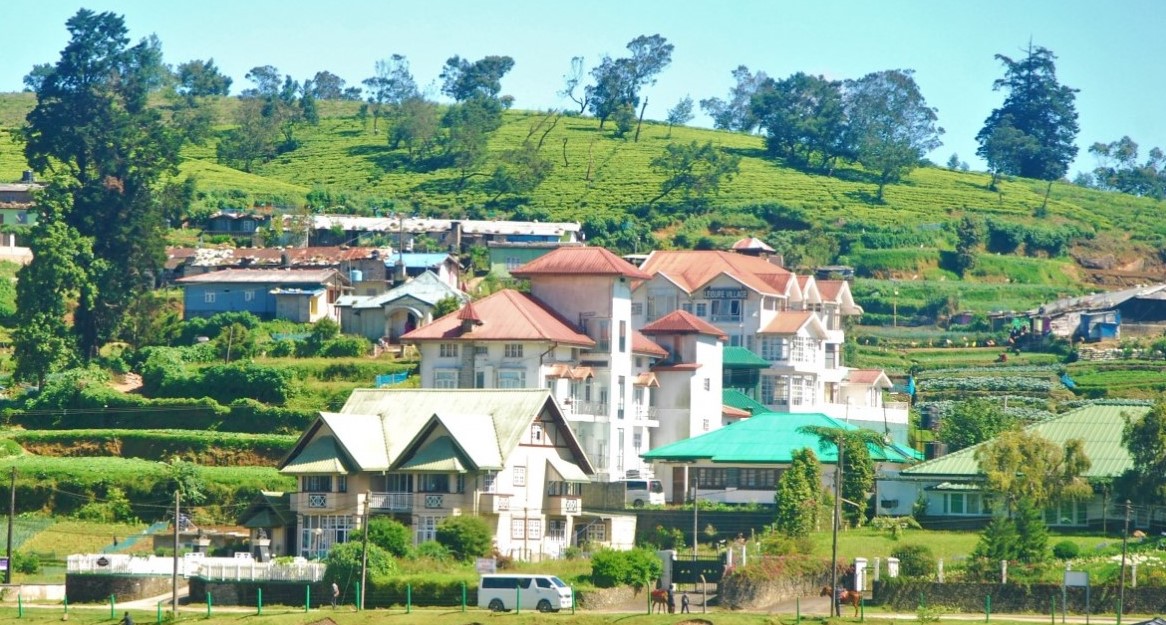
"From taro cultivation in Bogor to village tourism in Banyumas, every village has a story worth telling — and an opportunity worth sharing."
Seven areas of village knowledge
FolderDesa organizes its articles across these interconnected topics, each one grounded in real Indonesian village experience.
What you'll find on FolderDesa
Practical articles written by contributors who understand village life.
Agriculture & Cultivation
Articles on taro (talas bogor), dragon fruit, crystal guava, durian, oyster mushrooms, and tabulampot grapes — plus livestock such as dairy goats and Merino sheep.
Village-Owned Enterprises
Guides on establishing BUMDes, the differences from cooperatives, and why professional phased management matters for village economic growth.
Village Tourism
Coverage of destinations like Desa Karangkemiri in Banyumas, where outbound activities and a swimming pool helped tourism contribute Rp 50 million to village income in 2021.
Culinary Traditions
Indonesian village foods, Sundanese heritage dishes, spiced drinks, infused waters, seafood street-food ideas, and home-industry snack production.
Business Opportunities
From dried wood ear mushrooms and kopyor coconut seedlings to ecoprint crafting, bamboo crafts, and mina padi integrated rice-fish farming.
Village News & Community
Reports on social assistance programs like PKH, village governance structures, and practical tips such as safe homecoming travel during mudik season.
How to Start a Village Motorbike Taxi Service
A village motorbike taxi service can solve a simple but important problem: people need to reach markets, schools, clinics, workplaces, transport hubs, and neighbouring hamlets when buses are infrequent or roads are narrow. In Indonesia, this service may resemble an organised version of an ojek, with local riders providing short trips and deliveries for a known community.
The strongest businesses begin with a clear service area rather than a large fleet. A rider who arrives reliably for the morning school run or market day can become more valuable than several drivers who work without a timetable. The model can also create income for young people, support village-owned enterprises, and make local tourism easier to access.
For Australian readers assessing a village enterprise, the comparison is similar to a small regional shuttle or community transport operation. Think about the gaps between a country town, a railway station, and an outlying property in regional New South Wales, but adapt the plan to local Indonesian roads, income levels, customs, and village administration.
Find the Route People Already Need
Begin with direct observation. Spend several mornings and afternoons recording where residents travel, when roads become busy, and which journeys are difficult without a private motorbike. Useful destinations include the village office, primary and secondary schools, health clinics, traditional markets, rice fields, tourist attractions, and the nearest town.
Speak with shopkeepers, teachers, health workers, farmers, and parents. Ask what they currently pay, how long they wait, and which trips they cancel when transport is unavailable. In an Australian regional town, this would be similar to checking demand around a servo, footy oval, school gate, and train station; in an Indonesian village, the most important gathering points may be a warung, mosque, market entrance, or roadside junction.
Start with one or two dependable corridors. A morning route to school and market, followed by flexible bookings for clinic visits and deliveries, is easier to manage than promising transport everywhere. Record passenger numbers for two weeks before buying additional motorbikes or recruiting more riders.
Set Up Safety and Local Permission
Meet with the village head, local leaders, transport officials, and community representatives before taking fares. Clarify whether the service will operate as an independent business, a cooperative, or a BUMDes unit. Written permission can define the service area, rider responsibilities, complaint process, and use of village facilities.
Every motorbike should have valid registration, suitable insurance where available, working lights, mirrors, tyres, brakes, and a service record. Riders need an appropriate licence, helmet for themselves and passengers, and basic training in defensive riding. The business should refuse overloaded trips, unsafe weather journeys, and passengers who cannot be carried securely.
The rainy season deserves special planning, particularly in villages with muddy lanes, flooding, or landslides. Set a maximum speed, identify roads that become hazardous, and keep a phone contact for emergencies. Australian customers may expect formal risk controls, and the same discipline helps build confidence among local families and visitors.
Build a Fare and Income Model
Calculate the cost of fuel, oil, tyres, repairs, registration, phone data, rider payments, administration, and replacement vehicles. Then estimate how many paid trips are needed each day to cover those costs. A simple fare zone system is easier to explain than complicated distance calculations: one price within the village, another to the market or clinic, and a higher rate for neighbouring villages.
Offer several payment choices. Cash remains important, but QR payments and mobile transfers can reduce disputes and make record keeping easier. Display fares at the village office, warungs, markets, and accommodation providers. If Australian visitors are part of the target market, show the price in Indonesian rupiah first and provide a clear English explanation rather than relying on informal bargaining.
Additional income can come from parcel delivery, market shopping, airport or bus-station transfers, and scheduled trips for guesthouses. A homestay may promote the service alongside local food experiences, including a link to a practical rendang cooking guide for visitors who want to understand the cuisine before travelling. Keep passenger fares separate from delivery fees so each service remains transparent.
Create Simple Daily Systems
A low-cost booking system can work well. Use one mobile number, a WhatsApp account, or a small desk at a shop or village office. Record the passenger’s name, pickup point, destination, agreed fare, rider, and completion time. A paper ledger is acceptable when internet coverage is unreliable, provided someone checks it every evening.
Use a visible rider identity system, such as a numbered vest, helmet sticker, or membership card. Riders should greet passengers politely, confirm the destination and fare before departure, and avoid using a phone while riding. A short code of conduct can cover punctuality, safe speeds, cleanliness, passenger privacy, and handling lost property.
The following operating practices help keep the service manageable:
- Set fixed departure windows for school, market, and clinic trips.
- Keep one backup rider available for illness, repairs, or urgent bookings.
- Inspect each motorbike before the first trip of the day.
- Review fuel, fares, cancellations, and complaints every week.
- Publish a clear contact number at every regular pickup point.
The vehicle and booking point should look cared for, because appearance influences trust. If a home garage becomes the dispatch point or storage area, practical garage colour ideas can help make it easier for visitors to identify without turning the service into an expensive renovation project.
Earn Trust and Expand Carefully
Trust grows when the same riders appear on time and prices do not change without explanation. Ask passengers to report unsafe behaviour privately, then investigate complaints promptly. Parents may prefer named riders for school trips, while older residents may need help getting on and off the motorbike. These needs should shape recruitment and training.
Work with local tourism groups, farmers’ cooperatives, BUMDes managers, guesthouses, and small restaurants. A rider can take visitors to a waterfall, craft centre, rice terrace, or village cooking demonstration while also transporting produce and supplies. In Queensland or the Northern Territory, wet-season access can determine whether a tour operates; Indonesian villages face similar seasonal realities, although the road conditions and community arrangements differ.
Do not expand because the first month looks busy. Track completed trips, revenue per motorbike, fuel use, idle time, cancellations, and maintenance costs for at least three months. Add another rider only when existing bookings are regularly refused or delayed, and reserve part of the income for repairs and eventual vehicle replacement.
A Dependable First Route
The most practical launch is modest: one approved operator, two or three trained riders, a small service area, published fares, and a reliable booking channel. Test the route during the hours when residents genuinely need transport, then adjust it using real passenger records rather than assumptions.
A village motorbike taxi business succeeds when it becomes part of everyday life. The essential first step is to map one high-demand route, confirm local permission, calculate its true operating cost, and deliver every trip safely and on time before adding vehicles or destinations.

Questions or story ideas from your village?
FolderDesa welcomes readers who want to share village experiences or learn more about the topics covered on the site.
Visit the Contact Page