
FolderDesa brings together practical knowledge on farming, village-owned enterprises, culinary traditions, rural tourism, and small-business ideas — all rooted in the everyday life of Indonesian villages.
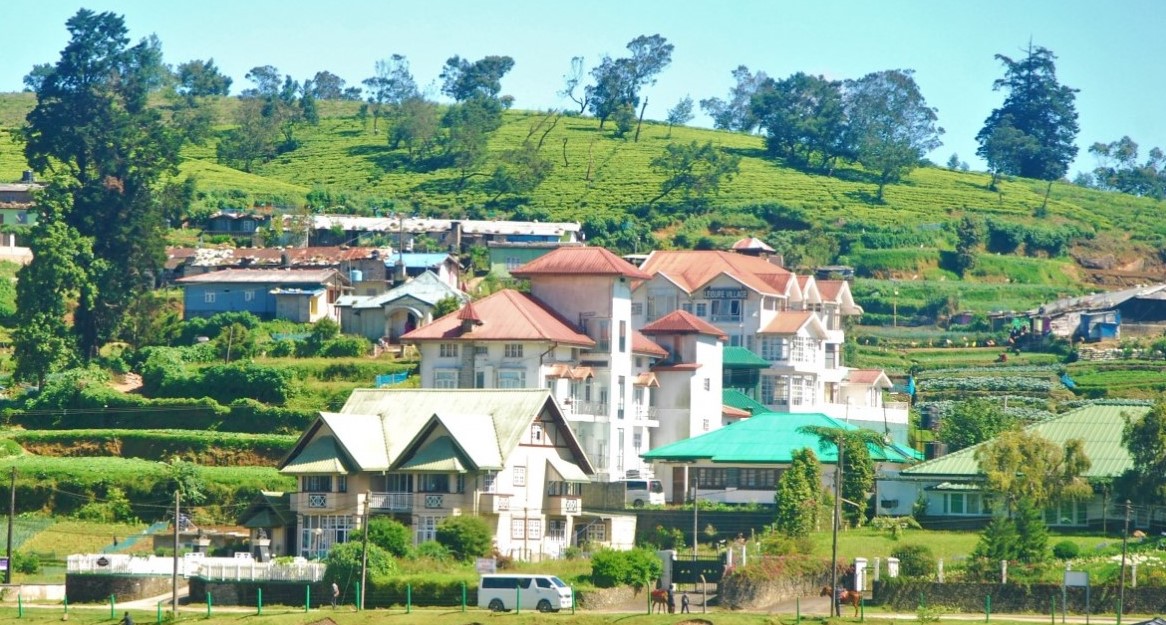
"From taro cultivation in Bogor to village tourism in Banyumas, every village has a story worth telling — and an opportunity worth sharing."
Seven areas of village knowledge
FolderDesa organizes its articles across these interconnected topics, each one grounded in real Indonesian village experience.
What you'll find on FolderDesa
Practical articles written by contributors who understand village life.
Agriculture & Cultivation
Articles on taro (talas bogor), dragon fruit, crystal guava, durian, oyster mushrooms, and tabulampot grapes — plus livestock such as dairy goats and Merino sheep.
Village-Owned Enterprises
Guides on establishing BUMDes, the differences from cooperatives, and why professional phased management matters for village economic growth.
Village Tourism
Coverage of destinations like Desa Karangkemiri in Banyumas, where outbound activities and a swimming pool helped tourism contribute Rp 50 million to village income in 2021.
Culinary Traditions
Indonesian village foods, Sundanese heritage dishes, spiced drinks, infused waters, seafood street-food ideas, and home-industry snack production.
Business Opportunities
From dried wood ear mushrooms and kopyor coconut seedlings to ecoprint crafting, bamboo crafts, and mina padi integrated rice-fish farming.
Village News & Community
Reports on social assistance programs like PKH, village governance structures, and practical tips such as safe homecoming travel during mudik season.
Starting a Freshwater Pond Fish Business in an Indonesian Village
Freshwater fish farming can give village households a regular source of income, affordable protein, and work that fits around rice cultivation or other seasonal activities. A small pond can begin as a family enterprise, then grow into a cooperative, BUMDes-supported business, or supply network for restaurants and local markets.
The best results come from treating the pond as a business system rather than simply releasing fish into water. Species choice, water quality, feed costs, harvest timing, reliable buyers, and careful records all shape the final profit. Australian readers can also recognise the basics from backyard aquaculture, although Indonesia’s tropical climate and village trading networks create different opportunities.
| Fish species | Suitable pond conditions | Main market | Key business consideration |
|---|---|---|---|
| Tilapia (nila) | Warm, stable freshwater | Homes, food stalls, restaurants | Hardy and widely accepted |
| Catfish (lele) | Small ponds with good drainage | Street-food sellers and local traders | Fast growth and strong demand |
| Pangasius (patin) | Larger, well-managed ponds | Markets and processors | Needs consistent feed and water quality |
| Common carp (ikan mas) | Cooler or shaded ponds | Traditional markets and events | Sensitive to overcrowding |
Choose The Right Fish And Market
Tilapia and catfish are often suitable for a first pond because they grow relatively quickly and can tolerate ordinary village conditions when water quality is managed. Catfish can work well where land is limited, including tarpaulin-lined ponds or compact concrete tanks. Tilapia generally needs more space but can attract a broad household market.
Before buying fingerlings, speak with warung owners, market traders, caterers, and nearby households. Ask what size they buy, how often they need deliveries, and whether they prefer live fish, cleaned fish, or chilled portions. In many villages, a guaranteed buyer is more valuable than a slightly higher advertised price.
Assess Land Water And Legal Needs
Select land that does not flood easily and has dependable water without relying on polluted drains. A gentle slope makes draining easier, while partial shade can reduce extreme heat. Test the water for smell, colour, acidity, and contamination before building several ponds. A simple trial pond is safer than committing the whole site at once.
Check village and district requirements before construction, especially if the farm will discharge water into a public channel. Local officials may also have advice about protected waterways, land use, and fish seed suppliers. A BUMDes can help coordinate shared infrastructure, bulk feed purchases, or access to a village-owned plot.
Build A Pond That Controls Costs
Earthen ponds are usually economical where suitable soil is available. They need compacted banks, an inlet with a screen, an outlet for controlled drainage, and protection from erosion. Tarpaulin ponds cost more per square metre but can be practical for beginners, renters, and households with limited land.
Budget for excavation, liners, pipes, pumps, nets, fingerlings, feed, electricity, labour, and repairs. Keep emergency funds for oxygen equipment or water replacement during hot weather. In Australia, a grower in regional Queensland or northern New South Wales might compare the project with a small dam or aquaculture tank, but local council rules and biosecurity expectations can be stricter than in a village setting.
Manage Water Fish Health And Feed
Stock ponds gradually rather than filling them beyond their carrying capacity. Overcrowding causes low oxygen, slow growth, disease, and sudden losses. Remove dead fish promptly, inspect the water each day, and watch for unusual swimming, pale gills, wounds, or fish gathering at the surface.
Feed is commonly the largest running cost, so measure it instead of scattering food by guesswork. Give small amounts that fish can consume quickly, adjusting for weather and growth. Some farmers use approved local by-products to supplement commercial pellets, but spoiled food, excessive kitchen waste, and untested additives can damage water quality.
Plan Labour Records And Cash Flow
Create a simple weekly record for fingerling numbers, feed used, mortality, water changes, labour, sales, and outstanding payments. These figures show whether growth is improving and whether a low selling price is still profitable. Separate household spending from farm cash so the business does not appear healthier than it is.
A village credit group may provide working capital, but borrowing should match the production cycle and expected harvest income. Clear repayment dates and written agreements protect both parties; guidance on credit union management can help village organisations establish better financial controls.
Develop Buyers Before Harvest
Do not wait until the fish are ready before looking for customers. Agree on approximate volumes and prices with traders, restaurants, schools, caterers, and household buying groups. Selling directly can produce a better margin, while traders reduce the time and transport needed to move a large harvest.
For Australian readers, the equivalent might be supplying a weekend farmers’ market around Brisbane, Darwin, or Cairns, where customers value freshness but vendors still need reliable cold storage and consistent presentation. In an Indonesian village, sales may begin through WhatsApp groups, local pasar traders, warungs, and community events. The market often rewards fish that arrive alive, clean, and at the size buyers requested.
Add Value And Grow Carefully
Cleaning, gutting, portioning, smoking, or turning fish into seasoned products can increase revenue when hygiene and packaging are controlled. Village women’s groups, youth enterprises, and BUMDes units can share equipment and sell prepared products under one local brand. Ideas connected to village food businesses may help link pond production with traditional cuisine and tourism.
Expansion should follow evidence from the first harvest. Add ponds only after confirming survival rates, feed conversion, cash flow, and repeat buyers. A farm that supplies a dependable 50 kilograms each week may be stronger than one that produces a large irregular harvest. The key lesson is simple: start with manageable pond capacity, protect water quality, record every cost, and build trusted buyers before scaling.

Questions or story ideas from your village?
FolderDesa welcomes readers who want to share village experiences or learn more about the topics covered on the site.
Visit the Contact Page