
FolderDesa brings together practical knowledge on farming, village-owned enterprises, culinary traditions, rural tourism, and small-business ideas — all rooted in the everyday life of Indonesian villages.
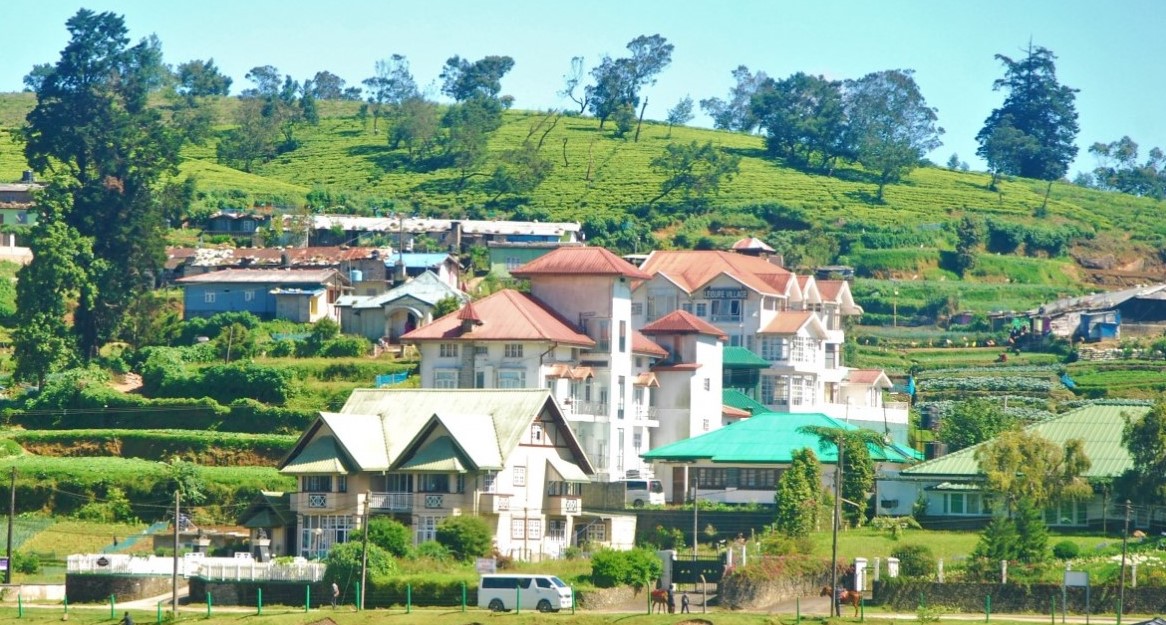
"From taro cultivation in Bogor to village tourism in Banyumas, every village has a story worth telling — and an opportunity worth sharing."
Seven areas of village knowledge
FolderDesa organizes its articles across these interconnected topics, each one grounded in real Indonesian village experience.
What you'll find on FolderDesa
Practical articles written by contributors who understand village life.
Agriculture & Cultivation
Articles on taro (talas bogor), dragon fruit, crystal guava, durian, oyster mushrooms, and tabulampot grapes — plus livestock such as dairy goats and Merino sheep.
Village-Owned Enterprises
Guides on establishing BUMDes, the differences from cooperatives, and why professional phased management matters for village economic growth.
Village Tourism
Coverage of destinations like Desa Karangkemiri in Banyumas, where outbound activities and a swimming pool helped tourism contribute Rp 50 million to village income in 2021.
Culinary Traditions
Indonesian village foods, Sundanese heritage dishes, spiced drinks, infused waters, seafood street-food ideas, and home-industry snack production.
Business Opportunities
From dried wood ear mushrooms and kopyor coconut seedlings to ecoprint crafting, bamboo crafts, and mina padi integrated rice-fish farming.
Village News & Community
Reports on social assistance programs like PKH, village governance structures, and practical tips such as safe homecoming travel during mudik season.
Brewing village-style soy sauce from fermented soybeans at home
Across Australian suburbs and small towns, a quiet fermentation movement is reshaping what sits on the dinner table. From home kitchens in Fremantle to shared workshop spaces in Hobart, hobbyists and food entrepreneurs are turning to traditional Asian condiments, drawn by the depth of flavour that only slow brewing can deliver. Soy sauce made from fermented soybeans carries centuries of village wisdom, particularly from regions of Indonesia where smallholder producers still tend moromi vats beneath shaded verandahs, methods explored in depth on the FolderDesa online magazine.
This guide walks through the practical steps of starting a soy sauce brewing project rooted in those village methods. It covers ingredient sourcing under Australian conditions, food safety compliance with the Food Standards Code, the actual fermentation workflow, and the small business pathways available when you are ready to sell. The aim is a grounded approach that respects both the microbial science and the community traditions that have shaped this craft.
The fermentation science behind a balanced brew
True soy sauce relies on a two-stage fermentation that begins with a filamentous fungus, most commonly Aspergillus oryzae, which is cultivated on cooked soybeans and roasted wheat. This first stage, often called koji making, generates enzymes that split proteins into amino acids and starches into fermentable sugars. Without this biological preparation step, the resulting liquid would lack the round, savoury character that defines naturally brewed soy sauce.
Once the koji has matured, it is transferred into a salt brine where yeast and further microbial work produce the moromi mash. Months of patient ageing allow the colour to deepen, the umami to intensify, and the alcohol and aromatic compounds to round out. Village producers in Indonesia traditionally age their mash in ceramic crocks or repurposed food-grade barrels, drawing off small amounts for household use while the rest continues to mature. Understanding this patience is essential before any equipment is purchased or any bean is soaked.
Sourcing ingredients that suit Australian conditions
Sourcing reliable soybeans is the first practical hurdle. Many Australian brewers look to non-GMO soybeans grown in the NSW Northern Rivers or along the Queensland Darling Downs, where small-scale grain farmers can supply food-grade tonnage through cooperatives. Some also import identity-preserved soybeans from trusted overseas suppliers, although freight and biosecurity inspections by the Department of Agriculture add cost and time.
Wheat or roasted barley brings the fermentable carbohydrates and a subtle toasted note. Stone-baked bakeries in Adelaide and Melbourne sometimes sell small batches of cracked wheat for brewing, and grain merchants in regional Victoria supply food-grade wheat in 25 kilogram bags at reasonable prices. Sea salt sourced from evaporative ponds in South Australia or from Tasmanian waters provides clean sodium chloride without the bitterness of heavily processed table salt. Local spring water or filtered rainwater works well, provided the source stays protected from contamination.
Setting up a workspace under the Food Standards Code
Before any fermentation begins, the workspace must meet Australian food safety expectations. The Food Standards Code administered by Food Standards Australia New Zealand sets out requirements for premises, equipment, allergen control, and labelling, and small producers must register their kitchen or dedicated workspace with the local council. In New South Wales, that means notifying the NSW Food Authority; in Victoria, registration is handled through the local municipality under the Food Act 1984.
Surfaces should be smooth, non-absorbent, and easy to sanitise. Fermentation vessels must be food-grade stainless steel, ceramic with food-safe glazes, or food-grade plastic. Allergen management matters because soy and wheat are both named allergens that require declaration on any future label. Keep dedicated utensils for the brewing process and store raw soybeans, koji, and finished sauce in clearly separated containers. Good airflow and steady temperature control between roughly 22 and 30 degrees Celsius helps maintain consistent fermentation, which is easier to achieve in a climate-controlled laundry than in an outdoor shed.
The brewing workflow from bean to bottle
Begin by soaking cleaned soybeans overnight, then cooking them until soft enough to mash by hand. Drain the beans, mix them with roughly equal parts of roasted and cracked wheat, and spread the mixture across sanitised trays to a depth of three to four centimetres. Sprinkle Aspergillus oryzae spores evenly across the surface, then cover loosely and incubate in a humid environment for about 48 hours until the grains are bound by white mycelium and smell faintly sweet.
Transfer the finished koji into a brine made from sea salt and water at roughly 18 to 20 percent salinity by weight. Stir gently and leave the moromi to ferment in a covered vessel, opening daily for the first week to release carbon dioxide and check aroma. After three to six months, strain the liquid, press the solids, and pasteurise the sauce gently if a longer shelf life is required. Many village-inspired brewers skip pasteurisation and instead refrigerate the finished product to preserve the living character of the brew.
Bottling, labelling and reaching customers
Once the sauce has cleared and settled, bottle it in sterilised glass bottles with tamper-evident caps. Under FSANZ Standard 1.2.3, every label must list ingredients in descending order, declare allergens clearly, include a lot identifier, and state the business contact or address. Nutritional information panels become mandatory once production reaches the small-scale commercial thresholds, so many home brewers start under cottage food exemptions and only formalise labelling when sales grow.
Farmers' markets are the most welcoming entry point for new producers. Stalls at the Queen Victoria Market in Melbourne, Carriageworks in Sydney, or the Jan Powers markets in Brisbane attract curious crowds who actively look for artisan condiments. Restaurants serving modern Asian-Australian cuisine often welcome small-batch producers, particularly when the sauce can be traced to named ingredients and a known place of origin. A simple tasting sheet explaining the village inspiration behind the brew helps customers connect with the story.
Funding, cooperation and shared infrastructure
Setting up a brewing venture requires modest capital for vessels, ingredients, certification, and packaging, and most Australian producers blend personal savings with small business support. The Incubator Support programme offered through the Department of Industry encourages innovation in food manufacturing, while state-level grants from bodies such as Regional Development Victoria or the NSW Business Chamber can fund equipment purchases. Cooperative structures inspired by Indonesian village enterprises spread both the workload and the risk, with several members sharing a workspace, bulk ingredients, and joint marketing.
Financing is often the hardest early hurdle, and community-minded funding models can help. Resources such as guides on managing a village credit union outline how pooled savings and shared lending decisions work in rural settings, principles that translate neatly into an Australian brewing cooperative where members contribute monthly and vote on shared expenses. Keeping bookkeeping transparent and rotating meeting host duties between member kitchens builds the kind of trust that keeps a small enterprise running through lean seasons.
Start with a single five-litre jar and a notebook recording temperature, pH, aroma, and taste every week. Within six months that jar will tell you whether the local water suits the koji, whether your soybeans carry enough protein, and whether the salt balance hits the savoury note you are after, and the lessons drawn from it will shape every batch that follows.

Questions or story ideas from your village?
FolderDesa welcomes readers who want to share village experiences or learn more about the topics covered on the site.
Visit the Contact Page