
FolderDesa brings together practical knowledge on farming, village-owned enterprises, culinary traditions, rural tourism, and small-business ideas — all rooted in the everyday life of Indonesian villages.
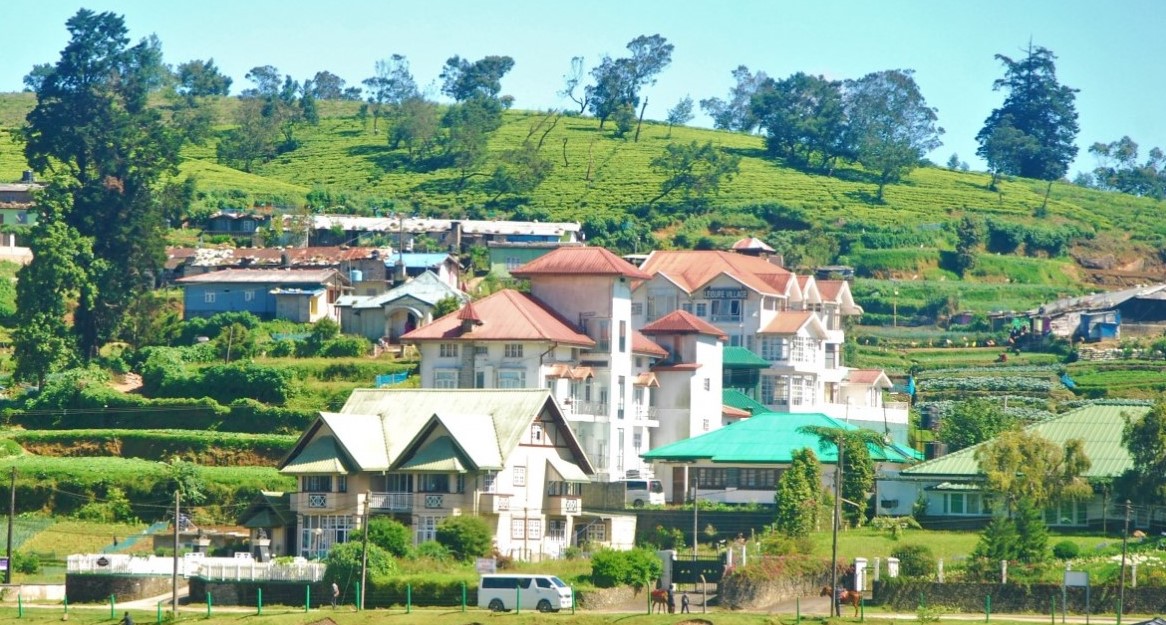
"From taro cultivation in Bogor to village tourism in Banyumas, every village has a story worth telling — and an opportunity worth sharing."
Seven areas of village knowledge
FolderDesa organizes its articles across these interconnected topics, each one grounded in real Indonesian village experience.
What you'll find on FolderDesa
Practical articles written by contributors who understand village life.
Agriculture & Cultivation
Articles on taro (talas bogor), dragon fruit, crystal guava, durian, oyster mushrooms, and tabulampot grapes — plus livestock such as dairy goats and Merino sheep.
Village-Owned Enterprises
Guides on establishing BUMDes, the differences from cooperatives, and why professional phased management matters for village economic growth.
Village Tourism
Coverage of destinations like Desa Karangkemiri in Banyumas, where outbound activities and a swimming pool helped tourism contribute Rp 50 million to village income in 2021.
Culinary Traditions
Indonesian village foods, Sundanese heritage dishes, spiced drinks, infused waters, seafood street-food ideas, and home-industry snack production.
Business Opportunities
From dried wood ear mushrooms and kopyor coconut seedlings to ecoprint crafting, bamboo crafts, and mina padi integrated rice-fish farming.
Village News & Community
Reports on social assistance programs like PKH, village governance structures, and practical tips such as safe homecoming travel during mudik season.
How to Plan a Village Reforestation Program with Native Trees
A well-planned village reforestation program can restore degraded land, protect water sources and create reliable income for rural households. In Indonesia, the strongest projects connect ecological repair with village governance, farming systems, customary knowledge and local enterprise rather than treating tree planting as a one-day campaign.
This approach is also relevant to Australian readers supporting Indonesian communities, development organisations or responsible tourism projects. Lessons from Landcare groups, council revegetation schemes and bushfire planning can be adapted, while species selection and decision-making must remain rooted in the village landscape.
Start With A Shared Purpose
Begin by agreeing on the problem the program will address. A village may want to reduce landslides, shade coffee gardens, restore a riverbank, protect a spring or rebuild habitat after repeated fires. These goals require different locations, species and maintenance plans. Write the purpose in practical terms, such as restoring two hectares of eroded slopes within three years.
Involve farmers, women’s groups, youth organisations, customary leaders, village officials and the BUMDes management team from the beginning. Their priorities may differ: farmers may value fruit trees, fishers may focus on clean waterways, while tourism operators may need attractive walking routes. A short village meeting followed by smaller household discussions often produces a more realistic plan than a formal presentation alone.
Map Land, Water And Ownership
Create a simple map showing degraded areas, farms, roads, streams, springs, steep slopes and existing forest patches. Smartphone GPS, printed satellite images and local walking surveys are sufficient for an initial assessment. Mark areas that flood, burn or become inaccessible during the wet season, as these conditions affect planting dates and survival rates.
Confirm land status before buying seedlings. Communal land, village treasury land, private farms and protected forest may each have different rules. Written agreements should identify who can harvest fruit, collect fallen branches or graze animals. This clarity prevents disputes several years later, when trees begin producing value. Similar care is useful when an Indonesian village is linked to Australian conservation groups or diaspora donors, since outside funding must not override local land rights.
Choose Species From Local Provenance
Native trees should be selected for the site, not simply for their popularity. Consider soil depth, rainfall, elevation, salt exposure, flooding and existing vegetation. Species such as sengon, damar, teak in suitable areas, local figs, bamboo, candlenut, tamarind and native fruit trees may have value, but a village forester should confirm which varieties naturally occur nearby and which can survive local conditions.
Use several layers of vegetation: ground cover, shrubs, fruit trees and taller canopy species. A mixed planting is usually more resilient than a single-species block and can provide food, timber, shade and habitat at different times. Australian readers will recognise the importance of local provenance from revegetation work around Brisbane, Perth or the Murray-Darling Basin; seed collected near the planting site is often better adapted than cheap stock transported from another region.
Build A Village Nursery
A small nursery makes the project less dependent on distant suppliers and creates paid work for local residents. It needs clean water, shade, seed trays, growing media and a schedule for collecting, germinating and hardening seedlings. Record the source of every seed lot, germination rate and planting date. This information helps identify species that perform well and reduces waste in future seasons.
Train a nursery team in seed treatment, disease control and gradual exposure to sunlight. Seedlings that remain in deep shade may suffer after planting. Women’s cooperatives, youth groups and schools can manage different nursery tasks, provided responsibilities and payment are agreed in advance. A nursery can later supply home gardens, farms and restoration projects, becoming a modest BUMDes enterprise alongside its conservation role.
Secure Funding And Local Rules
Prepare a budget covering mapping, seeds, nursery equipment, transport, labour, fencing, water storage, replacement seedlings and monitoring. Do not spend the entire budget on planting day. In many villages, maintenance is the largest cost during the first two dry seasons, especially where cattle, goats or fire threaten young trees.
Possible funding sources include village funds, provincial environmental programs, corporate partnerships, tourism fees and sales from nursery stock or fruit products. Income should be connected to clear rules. For example, households may receive fruit harvest rights while timber remains under a communal agreement. A village regulation can define access, fire prevention, harvesting limits and penalties for damaging planted areas.
Plant At The Right Time And Protect Trees
Plant at the beginning of the dependable wet season, after the soil has absorbed enough moisture but before heavy rain causes erosion. Dig holes according to the root ball, add compost where appropriate and avoid burying the stem. Mulch can reduce evaporation, though it must be kept away from direct contact with the trunk.
Protection is as important as planting. Use simple guards against livestock, install contour barriers on steep slopes and maintain firebreaks before the dry season. Australian experience with bushfire planning around Canberra and regional New South Wales shows why fuel reduction, access tracks and community alert systems must be considered early. In Indonesia, local knowledge of wind direction, customary burning and dry-season travel routes can make the protection plan more effective.
Measure Survival And Local Benefits
Count surviving trees after one month, six months and one year. Measure height, canopy development and signs of pests, drought or grazing. Replace failed seedlings only after identifying the cause; replanting without fixing drainage, fire or livestock problems wastes money. Use a simple register with species, location, planter and condition.
Environmental indicators should sit beside household benefits. Track spring flow, soil stability, shade for crops, fruit harvests, nursery income and participation by women and young people. If restoration supports ecotourism, connect it with a guided forest walk, local food stall or homestay rather than presenting trees as a separate project. Experiences from restoring rice fields show how land recovery can support wider village livelihoods when production, community labour and local enterprise are planned together.
A practical monitoring system can use tagged trees, photographs from fixed points and quarterly village meetings. Share results publicly through a noticeboard, WhatsApp group or BUMDes report. Transparent records help residents see which commitments have been met and give Australian partners credible evidence without demanding expensive technology.
For an Australian supporter, the most useful contribution may be funding durable maintenance, buying verified local products or helping connect a village nursery with ethical markets. Native seedlings should never be promoted as a carbon offset without careful measurement and long-term protection. Restoration succeeds when the village retains control, the landscape can recover naturally and households receive a fair reason to care for the trees.
The first concrete step is to convene a village mapping day before the next wet season, mark three priority sites, and record their ownership, threats and native vegetation.

Questions or story ideas from your village?
FolderDesa welcomes readers who want to share village experiences or learn more about the topics covered on the site.
Visit the Contact Page