
FolderDesa brings together practical knowledge on farming, village-owned enterprises, culinary traditions, rural tourism, and small-business ideas — all rooted in the everyday life of Indonesian villages.
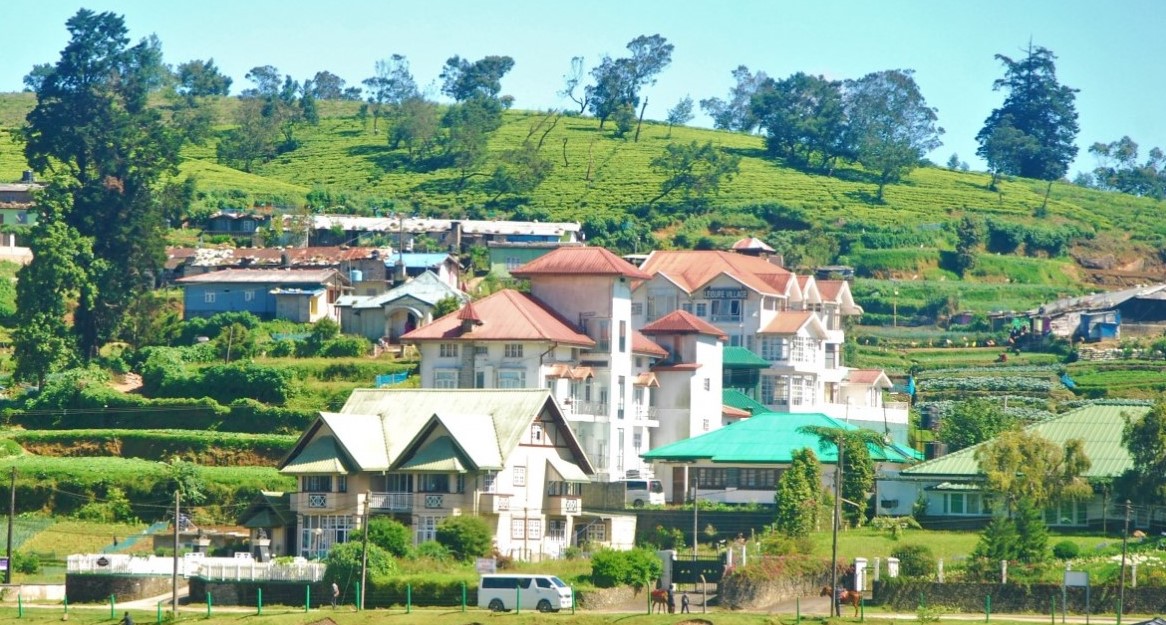
"From taro cultivation in Bogor to village tourism in Banyumas, every village has a story worth telling — and an opportunity worth sharing."
Seven areas of village knowledge
FolderDesa organizes its articles across these interconnected topics, each one grounded in real Indonesian village experience.
What you'll find on FolderDesa
Practical articles written by contributors who understand village life.
Agriculture & Cultivation
Articles on taro (talas bogor), dragon fruit, crystal guava, durian, oyster mushrooms, and tabulampot grapes — plus livestock such as dairy goats and Merino sheep.
Village-Owned Enterprises
Guides on establishing BUMDes, the differences from cooperatives, and why professional phased management matters for village economic growth.
Village Tourism
Coverage of destinations like Desa Karangkemiri in Banyumas, where outbound activities and a swimming pool helped tourism contribute Rp 50 million to village income in 2021.
Culinary Traditions
Indonesian village foods, Sundanese heritage dishes, spiced drinks, infused waters, seafood street-food ideas, and home-industry snack production.
Business Opportunities
From dried wood ear mushrooms and kopyor coconut seedlings to ecoprint crafting, bamboo crafts, and mina padi integrated rice-fish farming.
Village News & Community
Reports on social assistance programs like PKH, village governance structures, and practical tips such as safe homecoming travel during mudik season.
How To Organise A Village Agricultural Field Day With Demonstrations
A village agricultural field day turns practical knowledge into a shared activity. Farmers, students, village officials, traders and visitors can see techniques in real conditions, compare results and discuss what suits local land, labour and budgets.
The strongest events are built around a small number of useful demonstrations rather than a crowded programme. A rice farmer may want to compare planting distances, while a vegetable grower may need advice on compost, irrigation or pest control. Each activity should answer a clear local problem.
For Australian readers, the format has familiar parallels with a regional field day, agricultural show or farm open day. The difference is that an Indonesian village event often brings several community groups together around shared land, a farmer group, a BUMDes enterprise or a village tourism site.
Planning should also respect local conditions. A demonstration near Toowoomba may focus on water efficiency and soil moisture, while a community near Cairns may prioritise drainage and tropical crops. In Wagga Wagga, timing may follow cereal and livestock calendars, whereas an Indonesian village may need to work around rice planting, religious observances and local market days.
| Planning Area | Practical Choice | Useful Measure |
|---|---|---|
| Main theme | One production or business problem | A clear learning question |
| Demonstration plots | Two or three contrasting methods | Visible differences in cost or yield |
| Audience | Farmers, youth, officials and buyers | Attendance by target groups |
| Timing | Crop stage, weather and market calendar | Good turnout and safe conditions |
| Follow-up | Records, visits and group discussion | Trials adopted after the event |
Set A Clear Purpose And Audience
Begin with a short planning meeting involving farmer representatives, the village government, agricultural extension workers and the BUMDes team. Agree whether the event will promote better yields, lower input costs, climate resilience, value-adding or a new market opportunity.
A simple village profile guide can help organisers identify available land, water sources, producer groups, roads and existing village businesses. This information keeps the event grounded in local capacity instead of copying a technique that needs unavailable equipment.
Define the audience before selecting demonstrations. If young people and school groups are invited, include short activities on seed selection or farm budgeting. If traders and restaurant owners attend, show grading, packaging and post-harvest handling.
Choose Demonstrations That Show A Difference
A useful demonstration compares two or more methods under similar conditions. Examples include local seed against improved seed, hand watering against drip irrigation, untreated compost against a measured compost application, or traditional feed against a locally formulated ration.
Keep the plot size manageable and label every treatment clearly. Record planting date, labour hours, input costs, water use and harvest weight. A small whiteboard beside each plot can display the information in plain language, helping visitors connect farm practice with household income.
Avoid presenting a technique as successful before it has been tested locally. Weather, soil type and labour availability can change the result. A field day should make room for honest observations, including failed treatments and questions about risk.
Build A Practical Event Schedule
A half-day programme is often easier for farmers and families than a full conference. Start with registration and a welcome, then move quickly to demonstrations while the group is fresh. Allow time for questions at each station rather than leaving all discussion until the end.
A workable sequence might include soil preparation, crop management, harvesting, processing and a short market discussion. In Australia, organisers may draw on the efficient station-based style used at field days around Wagga Wagga or regional TAFE campuses, while adapting the language and pace to village participants.
Choose a date after checking rainfall forecasts, crop stages, public holidays and market activity. In Indonesia, avoid clashes with major religious events or village ceremonies. In Australia, also consider school holidays, local show dates and biosecurity restrictions that can affect farm visits.
Prepare People, Materials, And Safety
Assign one person to each responsibility: site coordination, speaker support, registration, equipment, refreshments, first aid and photography. Demonstrators should rehearse the key steps and know how long each activity will take.
Prepare simple signs, measuring containers, sample products, shade, drinking water and seating for older participants. Keep tools secured when children are present, and explain safe distances around pumps, tractors, livestock and chemical demonstrations. Australian visitors may expect sun protection and hand-washing facilities; these are equally valuable at village events.
Use locally familiar measures and prices. Show costs in rupiah for the village audience, while an Australian study visit or partner group can receive a separate explanation in Australian dollars. Avoid technical terms unless someone is ready to translate them into practical instructions.
Connect Production With The Local Market
A field day becomes more valuable when it shows where the harvest will go. Invite a village shopkeeper, wholesaler, processor, café owner or market trader to explain preferred quality, packaging and delivery times.
A produce display can compare fresh vegetables, dried foods, pickles, coffee, rice or livestock products. Ask buyers to comment on size, cleanliness, shelf life and consistency. This helps farmers see why production decisions affect selling price.
Australian farmers often plan around farmers markets, community-supported agriculture and supermarket specifications. Indonesian villages may supply traditional markets, school meal programmes, tourism stalls or BUMDes outlets. The principle is the same: demonstrate a product standard that has a real buyer behind it.
Use Demonstration Stations And Short Activities
Divide visitors into small groups and rotate them through three or four stations. Each station needs a facilitator, a visible result and one practical message. A queue system prevents the most popular activity from taking all the time.
Good stations may include a soil test, seedling nursery, water-saving irrigation, natural pest control, post-harvest processing or a simple farm profit calculation. Let participants handle materials and record observations rather than listening to long speeches.
A tasting session can connect agriculture with local cuisine. Traditional dishes give visitors a reason to discuss crop varieties, food safety and value-adding, while a small produce auction or buyer meeting can add commercial energy without turning the whole event into a sales pitch.
Record Results And Keep The Network Active
Collect attendance, questions, demonstration results and contact details with permission. A short feedback form can ask which technique participants will trial, what equipment they lack and which topic should be covered next.
Create a follow-up group through an existing farmer association or village communication channel. Arrange a visit four to six weeks later to inspect trial plots and compare costs. The event should generate evidence for the next planting cycle, not disappear after the banners are removed.
A village library or community learning space can store printed guides, seed records and demonstration photographs; organisers can also use library planning ideas to make agricultural information easier to borrow and share.
Keep The Day Inclusive And Useful
Make sure women farmers, young producers, smallholders and people from less accessible hamlets receive invitations. Offer local-language explanations, affordable refreshments and a clear meeting point. If the site is distant, coordinate shared transport or combine the event with an existing village gathering.
Use these preparation checks:
- Confirm the site, weather plan and shade
- Label plots, tools and demonstration materials
- Brief every facilitator and volunteer
- Prepare water, first aid and hand-washing points
Use these follow-up records:
- Participant names and farming interests
- Input costs, labour time and harvest results
- Questions that need technical advice
- Farmers who agree to run a small trial
A well-organised field day leaves participants with a technique they can test, a person they can contact and a realistic idea of the cost. The practical takeaway is simple: choose one local problem, demonstrate a measurable solution, and schedule the follow-up before the event ends.

Questions or story ideas from your village?
FolderDesa welcomes readers who want to share village experiences or learn more about the topics covered on the site.
Visit the Contact Page