
FolderDesa brings together practical knowledge on farming, village-owned enterprises, culinary traditions, rural tourism, and small-business ideas — all rooted in the everyday life of Indonesian villages.
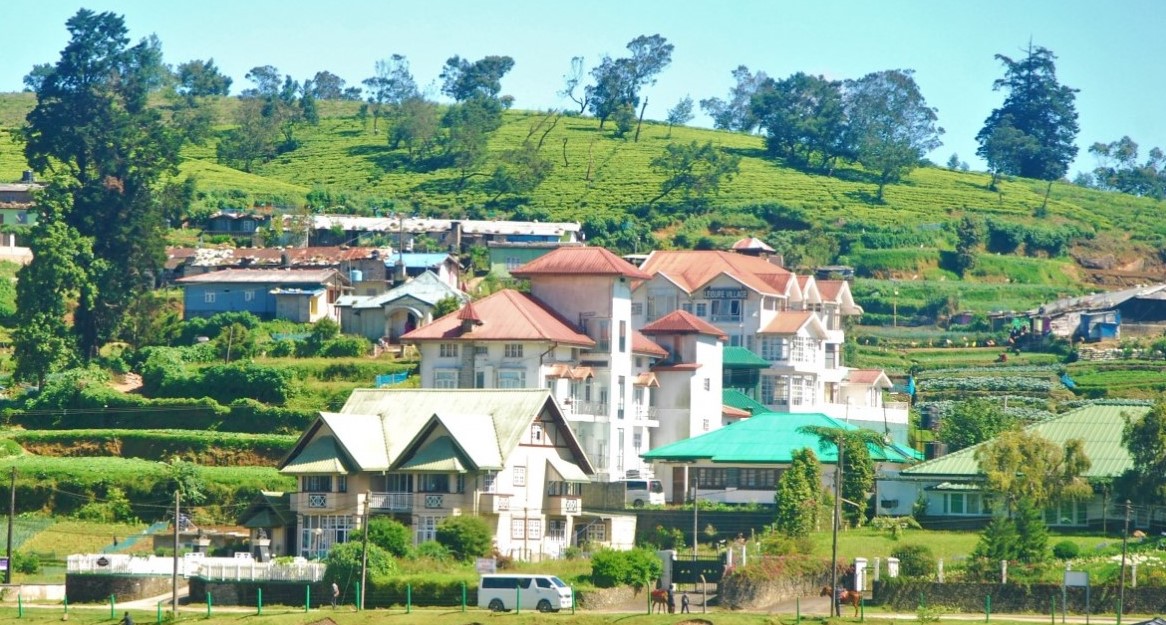
"From taro cultivation in Bogor to village tourism in Banyumas, every village has a story worth telling — and an opportunity worth sharing."
Seven areas of village knowledge
FolderDesa organizes its articles across these interconnected topics, each one grounded in real Indonesian village experience.
What you'll find on FolderDesa
Practical articles written by contributors who understand village life.
Agriculture & Cultivation
Articles on taro (talas bogor), dragon fruit, crystal guava, durian, oyster mushrooms, and tabulampot grapes — plus livestock such as dairy goats and Merino sheep.
Village-Owned Enterprises
Guides on establishing BUMDes, the differences from cooperatives, and why professional phased management matters for village economic growth.
Village Tourism
Coverage of destinations like Desa Karangkemiri in Banyumas, where outbound activities and a swimming pool helped tourism contribute Rp 50 million to village income in 2021.
Culinary Traditions
Indonesian village foods, Sundanese heritage dishes, spiced drinks, infused waters, seafood street-food ideas, and home-industry snack production.
Business Opportunities
From dried wood ear mushrooms and kopyor coconut seedlings to ecoprint crafting, bamboo crafts, and mina padi integrated rice-fish farming.
Village News & Community
Reports on social assistance programs like PKH, village governance structures, and practical tips such as safe homecoming travel during mudik season.
Running a successful village library and learning center
A village library can become much more than a room filled with books. With the right management, it can support children’s education, help farmers find practical information, provide digital access, and give local entrepreneurs a place to develop their skills.
In rural Indonesia, a learning center works best when it responds to everyday needs. The collection might include school materials, farming guides, business references, health information, local history, and books in regional languages. Activities should also reflect the community’s culture and economic life.
Running a successful village library and learning center requires steady leadership, community participation, and realistic planning. The most effective facilities begin with modest resources, then grow through partnerships, volunteer support, and careful attention to what residents actually use.
Start with a clear village purpose
Before collecting books or purchasing furniture, village officials and community groups should agree on the library’s main purpose. A needs assessment can reveal whether residents need homework support, agricultural knowledge, computer access, literacy classes, or a meeting space for local enterprises.
Short conversations with teachers, parents, farmers, youth groups, women’s organizations, and village-owned enterprises can provide useful direction. A rice-growing community may need weather information and crop-management guides, while a tourism village may benefit from hospitality training, language books, and marketing resources.
The library should also have a simple written plan. This can define opening hours, target users, activities, staff responsibilities, equipment needs, and sources of funding. A clear purpose helps prevent the facility from becoming an underused storage room.
Build a useful and inclusive collection
A strong collection combines formal education with practical village knowledge. Children may need storybooks, reference materials, and exam preparation guides. Adults may look for information about livestock, organic farming, food processing, bookkeeping, digital commerce, or government services.
Local content deserves special attention. Books about village history, oral traditions, traditional crafts, medicinal plants, and community leaders can strengthen residents’ sense of identity. A local recipe documentation activity, such as this village cookbook project, can turn community knowledge into a valuable learning resource.
Books should be selected for condition, relevance, language, and reading level rather than quantity alone. Donations are welcome, but outdated textbooks, damaged materials, and books unrelated to local interests can overwhelm limited shelves. A small, carefully chosen collection is easier to organize and more appealing to visitors.
Design services around daily routines
Opening hours should match the rhythm of village life. A library that operates only during school hours may exclude farmers, workers, and parents. Early evening sessions, weekend activities, and selected market-day programs can make access more practical.
The space does not need to be expensive. Good lighting, ventilation, clean seating, labeled shelves, floor mats for children, and a quiet study corner can make a substantial difference. If internet access is available, one or two shared computers and a reliable charging point may be more useful than decorative furniture.
A learning center can offer a rotating schedule of programs. Storytelling, homework assistance, reading clubs, digital literacy, agricultural discussions, handicraft workshops, and entrepreneurship classes help residents see the library as an active community facility.
| Service | Main users | Possible schedule | Basic resources |
|---|---|---|---|
| Children’s reading hour | Primary school students | After school | Storybooks, mats, volunteer readers |
| Homework support | Students and parents | Weekday afternoons | Reference books, tutors, desks |
| Farming information session | Farmers and youth | Twice monthly | Guides, speakers, internet access |
| Digital skills class | Entrepreneurs and job seekers | Evenings or weekends | Computers, projector, facilitator |
| Local culture workshop | Residents and visitors | Monthly | Archives, craft materials, recording tools |
Create dependable management
A village library needs people who are responsible for its daily operations. One coordinator may oversee planning, but volunteers, teachers, youth leaders, and community organizations can share the workload. Written roles help prevent confusion about lending records, cleaning, event preparation, and equipment care.
Basic administration should include a visitor log, membership list, borrowing system, inventory record, activity calendar, and maintenance checklist. These records show which services are popular and support applications for village funds or external grants.
Funding can come from several sources. The village budget may cover utilities, basic equipment, and staff incentives. BUMDes, local businesses, schools, cooperatives, alumni groups, and development organizations may contribute books, internet access, training, or sponsorship. Transparent financial reporting is essential for maintaining public trust.
Encourage volunteers and local partnerships
Volunteers bring energy and knowledge that a small paid team may not provide. University students can assist with tutoring, retired teachers can lead reading sessions, and local farmers or entrepreneurs can explain practical skills. Clear schedules and recognition help volunteers remain committed.
Schools are natural partners. Teachers can recommend reading materials, organize class visits, and identify children who need additional support. Cooperation with health posts, agricultural extension workers, tourism groups, and women’s associations can broaden the learning center’s relevance.
The library can also work with cultural groups to record folktales, songs, recipes, and traditional skills. Publishing these materials in simple formats gives residents a reason to participate while preserving knowledge for younger generations. Information about the wider mission of rural community development can also be found through FolderDesa’s editorial mission.
Measure use and improve gradually
Success should be measured by community benefit rather than the size of the building or number of books. Useful indicators include active members, repeat visits, borrowed materials, program attendance, school participation, volunteer hours, and examples of skills applied in daily life.
A simple monthly review can identify what needs to change. If evening classes attract few people, the schedule may conflict with work or household responsibilities. If children visit but adults do not, the collection and activities may need to become more relevant to farming, income generation, or family health.
Practical recommendations for steady progress include:
- Survey residents at least twice a year about reading and training needs.
- Begin with a manageable collection and remove damaged or irrelevant materials.
- Publish opening hours and program schedules through village noticeboards and messaging groups.
- Train volunteers in children’s activities, cataloging, and respectful service.
- Report donations, spending, attendance, and results in a simple public summary.
Turn the library into a village asset
A successful learning center grows when residents see their own knowledge, concerns, and ambitions reflected in its services. It can support school achievement while also strengthening farming, home industries, tourism, cultural preservation, and village entrepreneurship.
Village leaders and community groups can begin by identifying one available room, appointing a small management team, and launching one useful weekly activity. Consistent service will build trust faster than an expensive opening ceremony. With shared responsibility and regular evaluation, the library can become a lasting place for learning, cooperation, and local opportunity.
Gather residents, choose the first practical program, and open the doors with a clear schedule. Each well-used book, training session, and community story can help build a more informed and capable village.

Questions or story ideas from your village?
FolderDesa welcomes readers who want to share village experiences or learn more about the topics covered on the site.
Visit the Contact Page