
FolderDesa brings together practical knowledge on farming, village-owned enterprises, culinary traditions, rural tourism, and small-business ideas — all rooted in the everyday life of Indonesian villages.
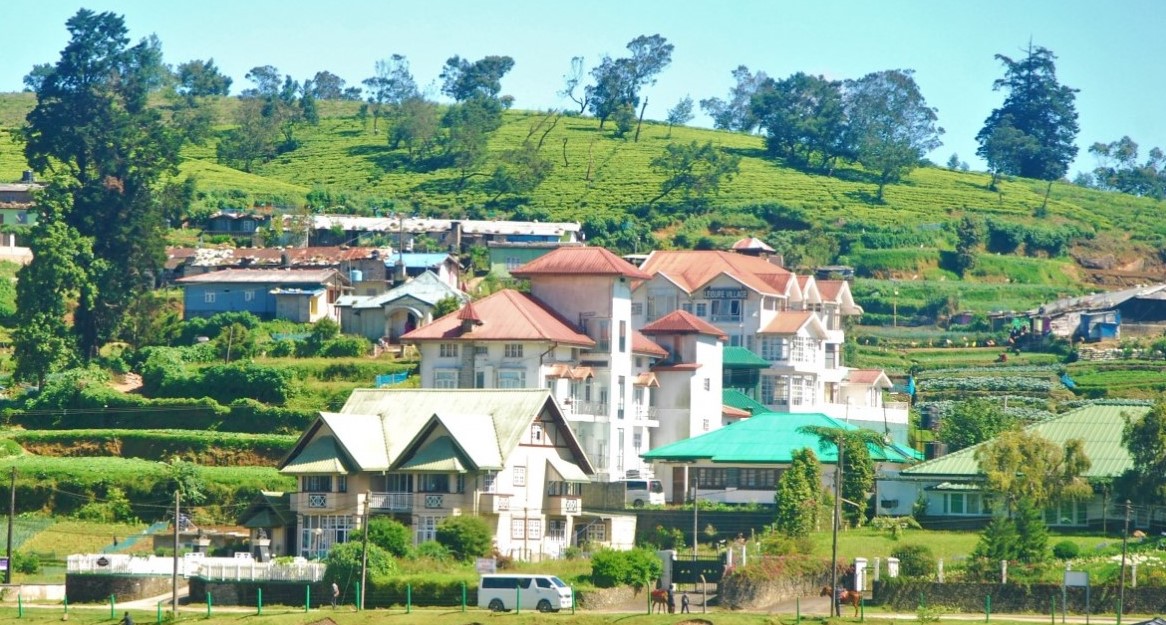
"From taro cultivation in Bogor to village tourism in Banyumas, every village has a story worth telling — and an opportunity worth sharing."
Seven areas of village knowledge
FolderDesa organizes its articles across these interconnected topics, each one grounded in real Indonesian village experience.
What you'll find on FolderDesa
Practical articles written by contributors who understand village life.
Agriculture & Cultivation
Articles on taro (talas bogor), dragon fruit, crystal guava, durian, oyster mushrooms, and tabulampot grapes — plus livestock such as dairy goats and Merino sheep.
Village-Owned Enterprises
Guides on establishing BUMDes, the differences from cooperatives, and why professional phased management matters for village economic growth.
Village Tourism
Coverage of destinations like Desa Karangkemiri in Banyumas, where outbound activities and a swimming pool helped tourism contribute Rp 50 million to village income in 2021.
Culinary Traditions
Indonesian village foods, Sundanese heritage dishes, spiced drinks, infused waters, seafood street-food ideas, and home-industry snack production.
Business Opportunities
From dried wood ear mushrooms and kopyor coconut seedlings to ecoprint crafting, bamboo crafts, and mina padi integrated rice-fish farming.
Village News & Community
Reports on social assistance programs like PKH, village governance structures, and practical tips such as safe homecoming travel during mudik season.
Crafting Village Tempeh for Australian Snacks from Soybean to Plate
Tempeh has become one of the most talked-about fermented foods across Australian kitchens, especially in Sydney and Melbourne where plant-based protein is celebrated at weekend farmers markets such as the Adelaide Showground Farmers Market. Yet most Australians buy their tempeh from refrigerated shelves at inner-city grocers in suburbs like Brunswick or Newtown, never knowing that the original craft comes from small Indonesian villages where homegrown soybeans are transformed through a single fungal culture. Bringing that village process into an Australian home means working with locally grown beans, understanding the tropical fermentation behind the firm cake, and turning the finished block into snacks that fit a casual Aussie lifestyle.
The appeal of making your own tempeh at home is more than novelty. Australian food labels have grown stricter under Food Standards Australia New Zealand, and homemade fermentation gives full control over salt, culture, and freshness. For families with teens who lunch on smashed avo toast or weekend barbie platters, a fresh tempeh slab sliced thin and pan-fried with soy and ginger offers a protein boost that costs less than store-bought organic blocks.
Village-grown soybeans are usually non-GMO heritage varieties cultivated by smallholder farmers, and many Australian home fermenters now seek out the same qualities when buying direct from growers in Queensland's Darling Downs or the NSW Riverina. Working with beans you can trace to a known farm, paired with a living tempeh starter from a reputable supplier, is the foundation of the village method adapted for a suburban kitchen.
Choosing Soybeans That Match Village Quality
Australian-grown soybeans are now widely available, with regions such as the Lockyer Valley and parts of the Northern Rivers producing crops ideal for fermentation due to their high protein content. Look for beans that are plump, evenly coloured, and harvested within the past twelve months, because older beans lose the nutrients that the Rhizopus culture feeds on during fermentation. When local supply is tight, organic Mungo or non-GMO soybean blends from bulk bins at health stores in Fitzroy or Fremantle work well.
Avoid beans treated with fungicide seed dressings, as these chemicals can kill the tempeh culture before fermentation begins. A simple rinse and visual check under sunlight will reveal cracked or discoloured seeds, which should be set aside for soups rather than tempeh. Some home makers source beans through community-supported agriculture programs in Tasmania or South Australia, where small farms rotate soy with grains and keep harvest records. Initiatives like creating a village map help smallholders visualise growing zones and connect with buyers.
Preparing the Culture and the Beans
Tempeh fermentation depends on a starter culture traditionally called ragi tempeh, a flour-based powder carrying live Rhizopus oligosporus spores. In Australia, this can be ordered from Asian grocers in suburbs like Campsie or from online fermentation suppliers who ship starter sachets by post. A teaspoon of fresh starter inoculates about 500 grams of cooked beans, and a starter kept dry in a sealed jar in the fridge remains active for months.
The beans themselves need a careful soak and a partial cook. After overnight soaking, drain the beans and simmer briefly so the skins slip away, then rinse until clear. A light twenty-minute boil softens the interior while keeping the beans firm enough to hold their shape. Drain and spread on a clean tea towel, then pat dry, because excess moisture is the most common reason home tempeh turns mushy or sour. While the beans cool to room temperature, the starter can be sprinkled over the surface and gently folded through.
| Feature | Store-Bought Australian Tempeh | Village-Style Homemade Tempeh |
|---|---|---|
| Sourcing | Mostly imported or made by local factories | Beans traceable to specific farms, often local |
| Texture | Uniform and dense | Slightly firmer with visible bean shapes |
| Flavour | Mild, sometimes bland | Nuttier, deeper, sometimes tangy |
| Cost per kilogram | AUD $18 to $28 | Roughly AUD $6 to $12 once culture is sourced |
| Shelf life | 7 to 10 days refrigerated | 4 to 6 days refrigerated, best fresh |
Incubating the Tempeh in Australian Conditions
Once inoculated, the beans are packed loosely into perforated bags, glass containers lined with banana leaves, or even clean takeaway containers with small holes pierced through the lids. The aim is airflow without drying out, because Rhizopus needs oxygen to weave its white mycelium through the bean mass. Temperature matters: the ideal range is 30 to 32°C, similar to a Balinese morning.
Without a purpose-built incubator, many Australians place the container inside a cooler box with a jar of warm water, replacing it every four hours, especially in cooler states like Victoria during winter. Fermentation takes 24 to 36 hours, and a successful batch smells fresh, slightly mushroomy, and shows a blanket of white mould binding the beans into a solid cake. If the surface turns pink or black, the culture has been overrun by unwanted bacteria and the batch should be discarded.
Turning Fresh Tempeh into Local Snacks
A block of fresh tempeh is versatile enough to replace tofu, chicken, or haloumi across many Australian snack boards. Thin slices tossed in cornflour, cracked pepper, and salt, then pan-fried until golden, make a quick barbie side that pairs well with cold beer or ginger beer on a Saturday afternoon. Another easy option is to marinate cubes in soy sauce, maple syrup, and garlic, then thread them onto skewers with cherry tomatoes and onion for a weeknight grill.
Tempeh also works well in lunchbox snacks for school-aged children, who often prefer familiar textures. Cut into strips, lightly battered, and oven-baked, they can be wrapped in pita with shredded lettuce and tzatziki, fitting neatly into multicultural Australian lunch habits. For a quick weeknight meal, crumble tempeh into a frying pan with onion, paprika, and tomato paste as a mince filling for tacos or wraps, drawing on the casual food culture that defines Australian home cooking.
Food Safety, Shelf Life, and Local Rules
Homemade tempeh sits in a regulatory grey zone under Australian food law. The Australia New Zealand Food Standards Code does not prohibit home fermentation, but produce sold across state lines must meet labelling and safety expectations set by FSANZ. Home makers keeping tempeh for personal use are free to ferment and store it at home, as long as the culture is fresh and the beans are clean. Anyone interested in selling tempeh at a market stall or through a BUMDes-style cooperative should check the relevant state food authority, such as the NSW Food Authority or SafeFood Queensland, for guidelines on fermented foods.
Shelf life remains short. Fresh tempeh keeps four to six days refrigerated in a sealed container, or it can be blanched in salted water, sliced, and frozen for up to two months. Always reheat tempeh thoroughly, as raw fermented products can occasionally carry unwanted bacteria that heat neutralises. Discard any batch with off smells, sticky patches, or unusual colours.
Once the basics are in place, the most rewarding next step is to join a local fermentation circle or attend a workshop at a community garden in your city, where shared cultures and freshly harvested beans make each batch more reliable than the last.

Questions or story ideas from your village?
FolderDesa welcomes readers who want to share village experiences or learn more about the topics covered on the site.
Visit the Contact Page