
FolderDesa brings together practical knowledge on farming, village-owned enterprises, culinary traditions, rural tourism, and small-business ideas — all rooted in the everyday life of Indonesian villages.
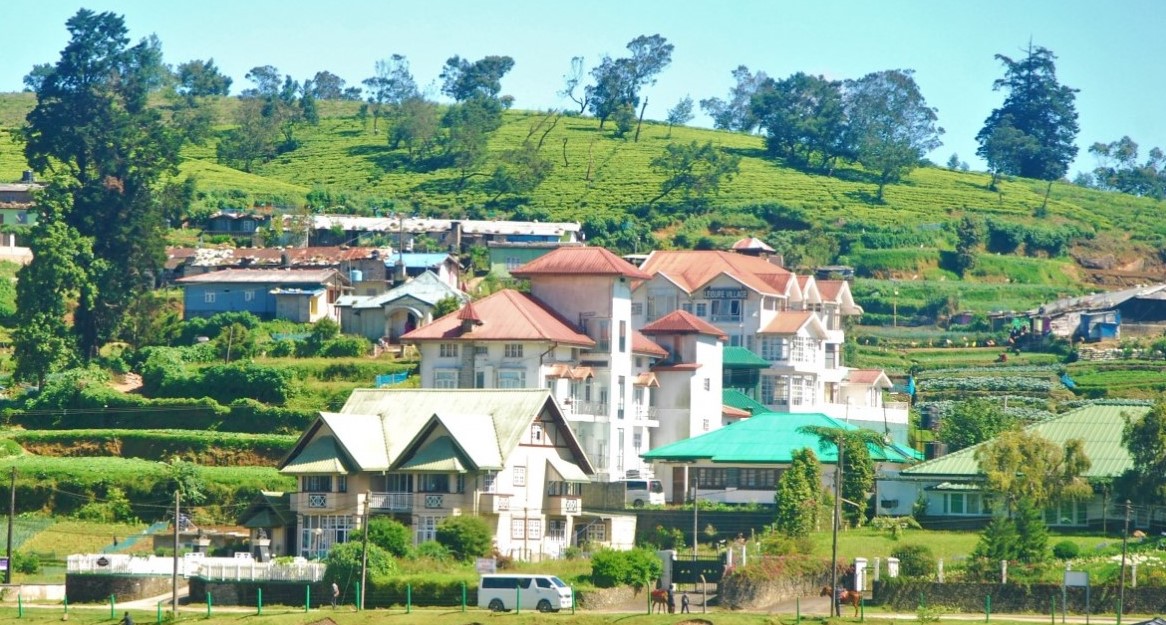
"From taro cultivation in Bogor to village tourism in Banyumas, every village has a story worth telling — and an opportunity worth sharing."
Seven areas of village knowledge
FolderDesa organizes its articles across these interconnected topics, each one grounded in real Indonesian village experience.
What you'll find on FolderDesa
Practical articles written by contributors who understand village life.
Agriculture & Cultivation
Articles on taro (talas bogor), dragon fruit, crystal guava, durian, oyster mushrooms, and tabulampot grapes — plus livestock such as dairy goats and Merino sheep.
Village-Owned Enterprises
Guides on establishing BUMDes, the differences from cooperatives, and why professional phased management matters for village economic growth.
Village Tourism
Coverage of destinations like Desa Karangkemiri in Banyumas, where outbound activities and a swimming pool helped tourism contribute Rp 50 million to village income in 2021.
Culinary Traditions
Indonesian village foods, Sundanese heritage dishes, spiced drinks, infused waters, seafood street-food ideas, and home-industry snack production.
Business Opportunities
From dried wood ear mushrooms and kopyor coconut seedlings to ecoprint crafting, bamboo crafts, and mina padi integrated rice-fish farming.
Village News & Community
Reports on social assistance programs like PKH, village governance structures, and practical tips such as safe homecoming travel during mudik season.
Turning Surplus Catch into Village Kerupuk
Coastal villages across Indonesia often reel in far more fish and shrimp than their households can eat before it spoils. A single morning haul from a group of small boats in South Sulawesi or West Nusa Tenggara can produce dozens of kilograms of fresh catch, much of it destined for ice, the local market, or simply the bin. When demand dips or transport stalls, that surplus becomes a quiet loss for the people who caught it.
Kerupuk offers a low-cost answer to that problem. The traditional Indonesian cracker, made from a seasoned dough of starch and seafood, preserves protein, extends shelf life, and turns a perishable catch into a crispy, packable product. Done well, a small kerupuk line can lift a fishing hamlet from subsistence barter into a steady micro-enterprise, with buyers in cities as far away as Perth, Sydney, and Melbourne where Indonesian communities keep the snack in steady demand.
Why surplus is a problem worth solving
Fish and shrimp spoil quickly in the tropical heat. Without cold storage or quick buyers, even a successful morning of net-casting turns into hours of unpaid labour and wasted protein. Australian fishers face a milder version of the same issue: a weekend charter out of Port Lincoln or a reef trip off Cairns can yield more than a family will eat, and the leftovers often end up composted or handed to neighbours. The economics in a small Lombok village are similar, only more punishing. A kilogram of shrimp that sells for a few dollars wet can be worth several times more once dried, ground, and fried into kerupuk.
Treating surplus as raw material rather than waste also fits a broader shift in how rural producers think about value. A village that once sold its catch by the bucket can begin to sell by the pack, with a label, a story, and a price that reflects the work added after the boat docks. Outlets following rural Indonesia, like this village magazine, often document exactly that kind of transition in fishing hamlets.
Ingredients and tools you can find locally
A basic kerupuk recipe uses ingredients that almost every Indonesian village can source. A typical batch needs about 500 grams of tapioca flour, 300 grams of minced fish or shrimp, two cloves of garlic, a teaspoon of salt, half a teaspoon of sugar, and a small splash of water. Some recipes add a pinch of MSG or a few drops of food colouring, but these are optional. For Indonesian households in Australia, the same shelf-stable ingredients are easy to find at Asian grocers around Springvale, Cabramatta, or any larger suburb with a strong Southeast Asian community.
Equipment is just as modest: a meat grinder or food processor, a large mixing bowl, a steaming pot, a knife or dough slicer, and a drying rack. A hand-cranked grinder works fine for a household-scale batch, while a motorised one makes sense once weekly production climbs above 20 kilograms of finished kerupuk. Bamboo drying racks with shade netting remain the cheapest option, though electric dehydrators shorten drying time during the rainy season when humidity stalls the sun.
The making process, step by step
The method is forgiving, which is one reason kerupuk has spread from royal Javanese kitchens to fishing villages across the archipelago. Start by cleaning the fish or peeling and deveining the shrimp, then mince it finely. Mix the minced seafood with garlic, salt, and sugar, then fold in the tapioca flour and a little water until a stiff dough forms. A well-mixed dough should hold its shape when pressed and not stick to the fingers.
Pack the dough tightly into a steaming pan, smoothing the top, and steam it for roughly 90 minutes until fully set and translucent at the centre. Once cooled, slice the firm block into thin sheets about two millimetres thick, then cut those sheets into the desired shapes: squares, strips, or the classic fish-shaped kerupuk. Lay the slices on a drying rack in strong sunlight for two to three days, turning them once, until they are bone-dry and snap when bent.
Frying, storing, and choosing the right batch
Dried kerupuk puffs dramatically when it hits hot oil, doubling in size and turning pale gold. Fry at 170 to 180 degrees Celsius for only a few seconds, drain on paper, and cool before packing. Store in airtight containers or sealed plastic bags; properly dried kerupuk keeps for several months at room temperature.
The character of the finished cracker depends heavily on the seafood used. A short comparison helps when deciding which surplus to convert:
| Aspect | Fish Kerupuk | Shrimp Kerupuk | Mixed Kerupuk |
|---|---|---|---|
| Main flavour | Mild, savoury | Sweet, briny | Balanced umami |
| Colour when raw | Pale cream | Pinkish | Light orange |
| Drying time | 2–3 days | 2–4 days | 2–3 days |
| Best market | Family snack | Festive gift packs | Everyday snacks |
| Price per 250 g (AUD) | 4–6 | 6–9 | 5–7 |
Pricing depends on local input costs and how the kerupuk is packaged. Vacuum-sealed packs labelled with the village name and weight tend to command more than loose crackers sold by the kilo.
Bringing kerupuk to market
Selling kerupuk is where the small investment in processing pays off. A kilogram of fresh shrimp that earns a fisher about 15,000 rupiah at the village landing can yield 600 grams of dried kerupuk, which retails for closer to 80,000 rupiah once fried and packed. Scaling that up across a season of surplus creates a meaningful second income for a fishing household or a thriving BUMDes venture.
Distribution channels vary. The simplest is the village market and word of mouth. Larger opportunities include supplying warung chains in nearby cities, listing on Indonesian e-commerce platforms, or exporting through diaspora networks. Indonesian grocers across Melbourne and Sydney routinely stock kerupuk from Java and Sumatra, and a village brand with consistent quality can find a foothold in those shops. A clean label listing ingredients, weight, halal status where applicable, and the producer's village name goes a long way toward building trust with buyers who have many other options.
The first practical step is to run a single trial batch of three to five kilograms using the surplus from one day's catch, then test the dried and fried product with neighbours before committing to weekly production.

Questions or story ideas from your village?
FolderDesa welcomes readers who want to share village experiences or learn more about the topics covered on the site.
Visit the Contact Page