
FolderDesa brings together practical knowledge on farming, village-owned enterprises, culinary traditions, rural tourism, and small-business ideas — all rooted in the everyday life of Indonesian villages.
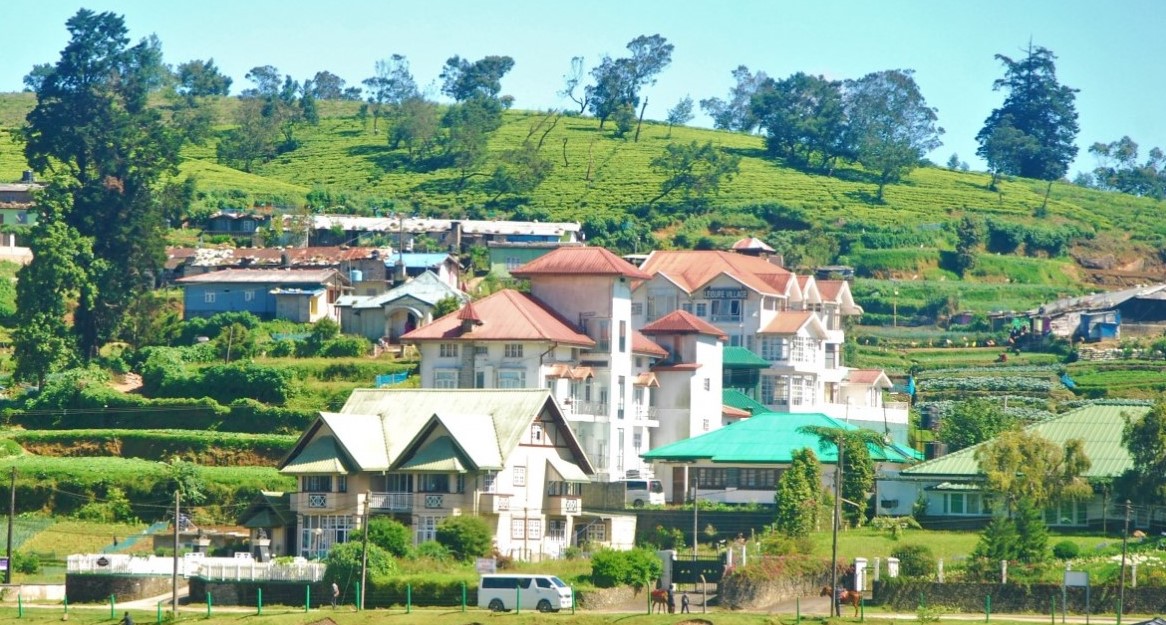
"From taro cultivation in Bogor to village tourism in Banyumas, every village has a story worth telling — and an opportunity worth sharing."
Seven areas of village knowledge
FolderDesa organizes its articles across these interconnected topics, each one grounded in real Indonesian village experience.
What you'll find on FolderDesa
Practical articles written by contributors who understand village life.
Agriculture & Cultivation
Articles on taro (talas bogor), dragon fruit, crystal guava, durian, oyster mushrooms, and tabulampot grapes — plus livestock such as dairy goats and Merino sheep.
Village-Owned Enterprises
Guides on establishing BUMDes, the differences from cooperatives, and why professional phased management matters for village economic growth.
Village Tourism
Coverage of destinations like Desa Karangkemiri in Banyumas, where outbound activities and a swimming pool helped tourism contribute Rp 50 million to village income in 2021.
Culinary Traditions
Indonesian village foods, Sundanese heritage dishes, spiced drinks, infused waters, seafood street-food ideas, and home-industry snack production.
Business Opportunities
From dried wood ear mushrooms and kopyor coconut seedlings to ecoprint crafting, bamboo crafts, and mina padi integrated rice-fish farming.
Village News & Community
Reports on social assistance programs like PKH, village governance structures, and practical tips such as safe homecoming travel during mudik season.
Growing chillies in village home gardens for profitable market sales
Chillies are among the most rewarding crops a village household can grow, and they fit beautifully into the modest space behind a kitchen or along a fence line. With rising demand from urban food markets and overseas importers, smallholder plots that once grew only for family cooking are turning into steady income streams. For farmers across Indonesia and other parts of Southeast Asia, a well-tended home garden of capsicum varieties can out-produce larger monoculture fields when given daily attention and good seed selection.
Australian readers will recognise the same hunger for fresh, flavourful chillies. Cities like Brisbane, Sydney, Melbourne, and Perth host large communities of Asian-Australian households whose weekly shopping lists often run to bird's eye, cayenne, and the long green types used in stir-fries and curries. That shared appetite creates a useful bridge: village growers who learn to grade, pack, and document their harvests can serve both local Indonesian traders and export brokers who supply the Brisbane Produce Market or specialty grocers in Footscray and Springvale.
Choosing the right chilli varieties for your village garden
The variety you pick decides everything from yield to price per kilogram. Bird's eye (cabe rawit) remains a household favourite in Indonesia and fetches a premium in Australian specialty shops where a 200-gram punnet can sell for several Australian dollars. Cayenne, with its longer tapered fruit, is forgiving for first-time growers and dries well for the spice trade. Habanero and Scotch bonnet types thrive in humid lowlands and are increasingly sought after by small Melbourne restaurants that charge a premium for fruity, fiery sauces.
For a home garden aiming at the market, it is wise to plant two or three varieties rather than one. A mixed plot gives a continuous harvest window, reducing the risk of a single pest or weather event wiping out the entire income for a season. Seedlings raised from open-pollinated, locally saved seed tend to adapt to your village's microclimate faster than imported hybrid packets, and they can be replanted year after year without repurchase.
Preparing soil and seedbeds for strong seedlings
Chillies prefer a loamy, well-drained soil with plenty of organic matter. In a typical Indonesian home garden, this means working composted rice straw, goat manure, or kitchen scraps into the top twenty centimetres before transplanting. Raised beds or polybags work well for growers who cannot till the whole backyard, and they keep roots away from waterlogged spots during the wet season.
If your village is part of a grower cluster, pooling labour and resources makes the work far lighter. A practical way to manage seedbed preparation, watering schedules, and shared tool use is to organise village cooperative work through a small farmer group, where each member takes responsibility for one stage of the seedling cycle. In Australian community gardens in Darwin's tropical suburbs, similar groups use this method to keep seedling production running through the wet months, producing sturdy plants ready for transplanting after four to six weeks.
Planting, spacing, and watering techniques
Transplanting is best done in the late afternoon so seedlings do not wilt under direct sun. A spacing of forty to sixty centimetres between plants allows airflow that discourages fungal disease and gives pickers room to move without snapping branches. Mulching with dry grass or rice husk keeps soil moisture steady and suppresses weeds that would otherwise compete for nutrients.
Watering is where many home gardeners either overdo or neglect. Chillies like a moist but never soggy root zone, so a daily light watering in the dry season is usually enough, with mulch doing the heavy lifting between rains. In Darwin's dry build-up months, growers often switch to morning drip lines to reduce evaporation, and the same approach translates well to a village garden that sits on sandy soil near a riverbank.
Pest control and organic fertilisation
Aphids, whitefly, fruit borers, and the dreaded leaf curl virus are the usual suspects. A weekly spray of neem oil mixed with a little soap keeps soft-bodied insects in check without harming beneficial predators like ladybirds and lacewings. Yellow sticky traps hung at canopy height give an early warning of whitefly build-up, allowing quick action before honeydew and sooty mould set in.
For growers targeting Australian export channels, organic certification matters. Australian Certified Organic standards restrict certain synthetic inputs, and buyers at the Brisbane Produce Market increasingly ask for residue-free certificates. Composting with chicken manure, applying liquid seaweed every fortnight, and rotating chillies with legumes like mungbean or peanut keeps the soil fertile while satisfying these checks. Food Standards Australia New Zealand also sets strict maximum residue limits, so keeping spray records is as important as the spray itself.
Harvesting, post-harvest handling, and selling at markets
Chillies are best picked when fully coloured but still firm, usually between sixty and ninety days after transplanting depending on variety. Harvest in the cool of the morning and handle the fruit gently to avoid bruising, which quickly turns into rot during transport. Small woven baskets lined with banana leaves keep the fruit cool and presentable, and a simple shade cloth over the load makes a real difference on the road to market.
Pricing should reflect both local wholesale rates and the export opportunity. A kilogram of bird's eye that sells for a modest price at the village collecting point can be cleaned, sorted, and packed into 250-gram punnets for a much higher return through a Brisbane weekend farmers' market or a Melbourne specialty grocer. Label each punnet with the variety, harvest date, and grower name so buyers can trace the product back to your garden. This small step builds trust and often leads to repeat orders, turning a single harvest into a regular income stream for the entire household.
A final practical tip: keep a notebook recording what you planted, when you transplanted, what pests appeared, and which buyers took your produce. Over a few seasons, that notebook becomes a planning tool more valuable than any single harvest, helping you match varieties to market windows and steadily raise the quality your village garden is known for.

Questions or story ideas from your village?
FolderDesa welcomes readers who want to share village experiences or learn more about the topics covered on the site.
Visit the Contact Page