
FolderDesa brings together practical knowledge on farming, village-owned enterprises, culinary traditions, rural tourism, and small-business ideas — all rooted in the everyday life of Indonesian villages.
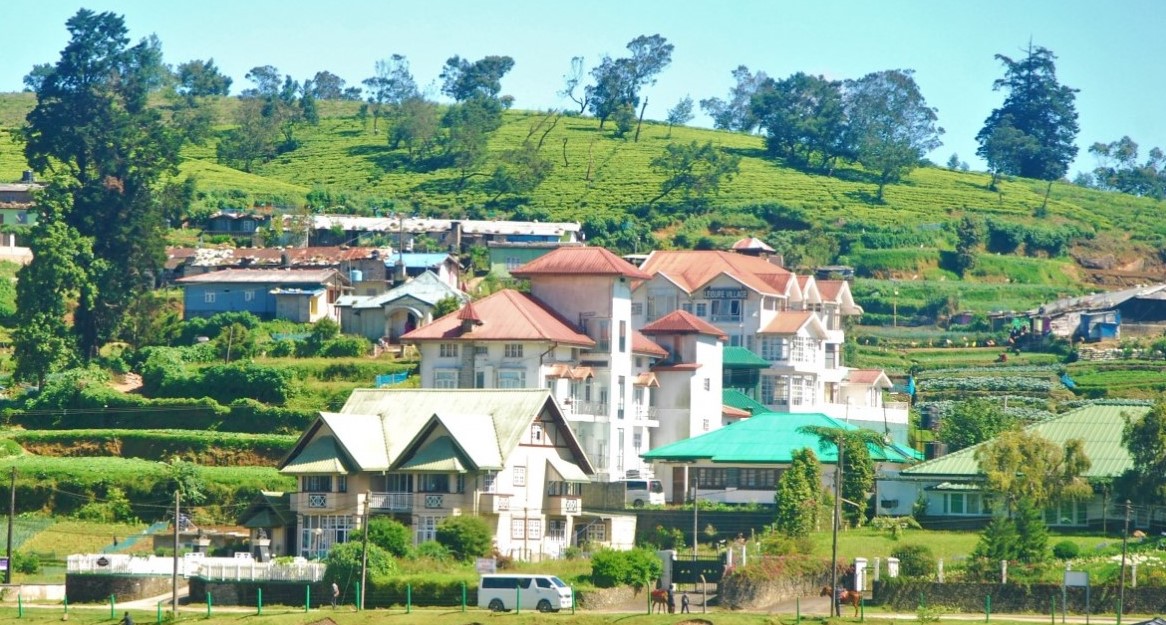
"From taro cultivation in Bogor to village tourism in Banyumas, every village has a story worth telling — and an opportunity worth sharing."
Seven areas of village knowledge
FolderDesa organizes its articles across these interconnected topics, each one grounded in real Indonesian village experience.
What you'll find on FolderDesa
Practical articles written by contributors who understand village life.
Agriculture & Cultivation
Articles on taro (talas bogor), dragon fruit, crystal guava, durian, oyster mushrooms, and tabulampot grapes — plus livestock such as dairy goats and Merino sheep.
Village-Owned Enterprises
Guides on establishing BUMDes, the differences from cooperatives, and why professional phased management matters for village economic growth.
Village Tourism
Coverage of destinations like Desa Karangkemiri in Banyumas, where outbound activities and a swimming pool helped tourism contribute Rp 50 million to village income in 2021.
Culinary Traditions
Indonesian village foods, Sundanese heritage dishes, spiced drinks, infused waters, seafood street-food ideas, and home-industry snack production.
Business Opportunities
From dried wood ear mushrooms and kopyor coconut seedlings to ecoprint crafting, bamboo crafts, and mina padi integrated rice-fish farming.
Village News & Community
Reports on social assistance programs like PKH, village governance structures, and practical tips such as safe homecoming travel during mudik season.
How to Organize a Village Clean-Up Day That Sticks
A village clean-up day can clear drainage channels, collect scattered waste, and make public spaces feel cared for. Yet a single gotong royong event rarely changes habits by itself. Rubbish returns when no one knows who maintains a roadside, market corner, riverbank, or community hall afterward.
The lasting approach is to treat the activity as a shared village system rather than a one-day campaign. Residents need a clear purpose, manageable tasks, suitable tools, and a simple schedule for follow-up. When people can see the results and understand their role, environmental care becomes part of everyday village life.
A clean-up also creates opportunities for cooperation between neighborhood groups, schools, farmer associations, youth organizations, women’s groups, BUMDes, and village officials. The event can improve public health while strengthening the relationships needed for other local development projects.
Start with a shared purpose
Begin by identifying the problem residents recognize most clearly. It may be blocked irrigation, plastic around a traditional market, overgrown paths to farmland, or waste collecting near a bridge. A specific target is easier to explain than a general appeal to “make the village clean.”
Walk through the area with representatives from several neighborhood units and record the locations that need attention. Take photographs if useful, but focus on practical details: the type of waste, access for collection vehicles, safety risks, and who uses the area. This assessment gives the activity a concrete destination and prevents volunteers from scattering across too large an area.
Connect the clean-up to village priorities. Removing waste from a drainage line may reduce flooding, while clearing a path can support farm access or rural tourism. Communities restoring productive land can also learn from reviving abandoned fields, where regular cooperation is often as important as the first improvement.
Build a small organizing team
A village head or neighborhood leader can announce the event, but coordination should not rest with one person. Form a compact team with a field coordinator, equipment manager, safety contact, waste-collection coordinator, and documentation person. Include residents who know the area well, especially women, older people, and young volunteers.
Assign responsibilities before publicity begins. One person can confirm the collection point with the village office, another can contact the waste service or recycling buyer, and another can organize attendance by neighborhood. Schools, mosques, farmer groups, and BUMDes can each take responsibility for a specific zone rather than simply sending unnamed participants.
Set a date that respects village routines. Avoid harvest periods, market days, religious events, and hours when residents are working in the fields. Early morning is often comfortable, but the right time depends on local weather, transport, and the availability of families.
Match tasks, tools, and waste handling
A successful village sanitation activity needs more than brooms and enthusiasm. Prepare sacks, gloves, masks, rakes, shovels, wheelbarrows, long-handled grabbers, drinking water, first-aid supplies, and signs for temporary collection points. Borrowing equipment from farmers or renting a small vehicle may be cheaper than asking every household to bring its own tools.
Separate waste during collection. Organic material, recyclable items, residual waste, and hazardous objects should not be mixed. Do not ask volunteers to handle medical waste, chemicals, broken electrical equipment, or sharp materials without trained supervision. Inform the local health post or village office when dangerous waste is found.
| Area | Main task | Useful equipment | Follow-up owner |
|---|---|---|---|
| Drainage channel | Remove leaves, mud, and plastic | Rakes, shovels, boots | Neighborhood unit |
| Market edge | Sort litter and sweep paths | Sacks, gloves, handcarts | Market association |
| Riverbank | Collect waste without entering deep water | Grabbers, ropes, sacks | Youth group |
| Village road | Cut weeds and clear shoulders | Hoes, sickles, wheelbarrow | Roadside households |
| Community facility | Clean floors, yards, and storage areas | Brooms, brushes, water | Facility committee |
Arrange where each category will go before the event starts. Recyclables can be sold or handed to a waste bank, compostable material can support a community garden, and residual waste should be transported to an approved disposal point. A clean-up loses credibility when collected rubbish is left in a new pile beside the road.
Make participation easy and inclusive
Use several communication channels instead of relying on one announcement. Village noticeboards, neighborhood messaging groups, mosque announcements, school networks, and direct invitations can reach different residents. State the meeting point, working hours, clothing guidance, assigned zones, and what participants should bring.
Keep tasks varied so participation is possible for different ages and abilities. Children can help with supervised sorting or poster-making, older residents can register volunteers and prepare refreshments, and physically fit adults can handle drainage or hauling. Pregnant residents and people with health conditions should have safe alternatives rather than feeling pressured to perform heavy work.
Provide drinking water, rest areas, shade where possible, and a clear end time. A short briefing should explain safety rules, waste categories, and the location of first aid. Recognizing every group’s contribution at the end—through a communal meal, public thanks, or a village notice—helps volunteers feel that their time mattered.
Turn the event into a routine
The most important decision is what happens the week after the clean-up. Divide the area into maintenance zones and assign each one to a household cluster, organization, or facility manager. The responsibility should be visible, realistic, and shared so that it does not become an unpaid burden for one individual.
Choose a repeat schedule based on the type of site. A market may need daily sweeping, a drainage channel may need monthly inspection, and a riverbank may require a larger activity every three months. A simple attendance sheet or photo record can show whether each zone has been checked without creating complicated administration.
Use these practices to keep the program active:
- Set a short monthly inspection for drainage, roadsides, and public facilities.
- Place labeled bins only where there is a collection or emptying plan.
- Establish a village waste bank or partner with an existing recycling service.
- Ask each neighborhood to report blocked drains and illegal dumping quickly.
- Publish a brief before-and-after update through the village noticeboard or messaging group.
Positive reminders work better than public blame. If waste repeatedly appears in one location, investigate the cause: irregular collection, missing bins, a nearby food stall, or poor lighting may be responsible. Solving the cause is more effective than simply organizing another sweeping campaign.
Keep the habit visible
Measure a few useful results after each activity. Record the number of volunteers, sacks collected, locations cleaned, drainage points reopened, and materials sent for recycling. These figures help the village evaluate its effort and can support proposals for equipment, waste services, or environmental funding.
Make cleanliness part of other village activities. A tourism committee can include a site inspection in visitor management, a farmer group can protect irrigation channels, and BUMDes can explore income from composting, recycling, or equipment rental. When environmental care is linked to livelihoods and public services, it becomes easier to maintain.
The next clean-up day should already have a date, a responsible team, and a small target before the current event fades from memory. Gather residents, confirm the first maintenance zones, and begin with one place that the whole village can see improve. Consistent local action turns a clean-up from a ceremonial morning into a durable village habit.

Questions or story ideas from your village?
FolderDesa welcomes readers who want to share village experiences or learn more about the topics covered on the site.
Visit the Contact Page