
FolderDesa brings together practical knowledge on farming, village-owned enterprises, culinary traditions, rural tourism, and small-business ideas — all rooted in the everyday life of Indonesian villages.
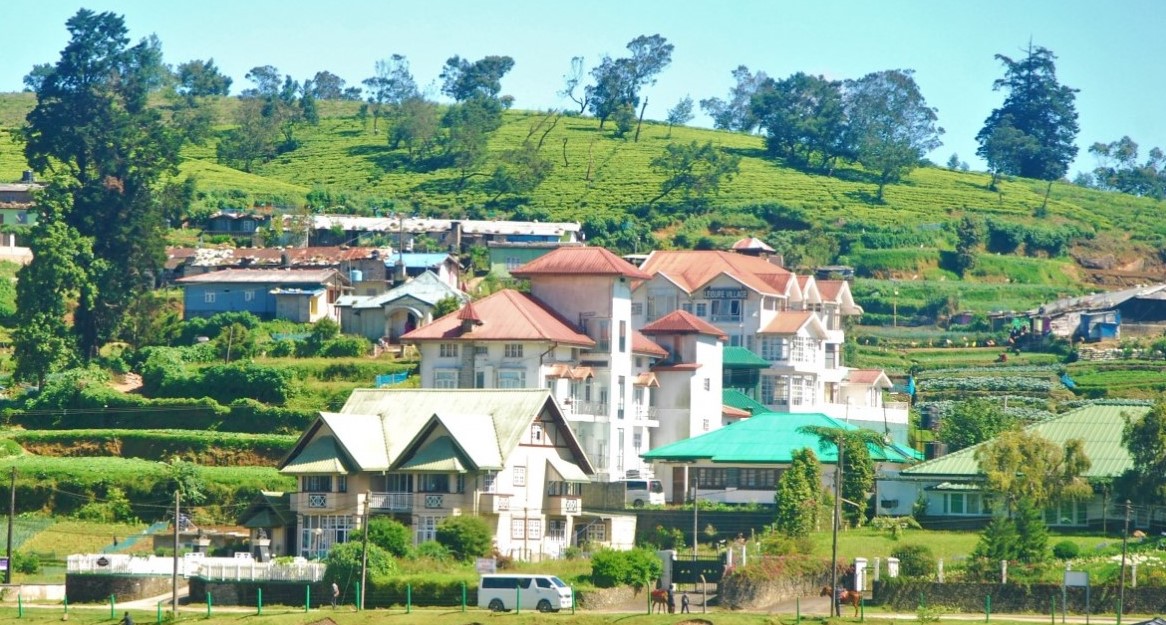
"From taro cultivation in Bogor to village tourism in Banyumas, every village has a story worth telling — and an opportunity worth sharing."
Seven areas of village knowledge
FolderDesa organizes its articles across these interconnected topics, each one grounded in real Indonesian village experience.
What you'll find on FolderDesa
Practical articles written by contributors who understand village life.
Agriculture & Cultivation
Articles on taro (talas bogor), dragon fruit, crystal guava, durian, oyster mushrooms, and tabulampot grapes — plus livestock such as dairy goats and Merino sheep.
Village-Owned Enterprises
Guides on establishing BUMDes, the differences from cooperatives, and why professional phased management matters for village economic growth.
Village Tourism
Coverage of destinations like Desa Karangkemiri in Banyumas, where outbound activities and a swimming pool helped tourism contribute Rp 50 million to village income in 2021.
Culinary Traditions
Indonesian village foods, Sundanese heritage dishes, spiced drinks, infused waters, seafood street-food ideas, and home-industry snack production.
Business Opportunities
From dried wood ear mushrooms and kopyor coconut seedlings to ecoprint crafting, bamboo crafts, and mina padi integrated rice-fish farming.
Village News & Community
Reports on social assistance programs like PKH, village governance structures, and practical tips such as safe homecoming travel during mudik season.
Ayam Betutu With Village Spices And Banana Leaves
Ayam betutu is a Balinese celebration dish built around a whole chicken, fragrant ground spices, and slow cooking. The meat becomes tender while the spice paste sinks deep into the flesh, creating a rich flavour that is warm, savoury, aromatic, and gently hot rather than simply fiery.
For cooks in Australia, this dish can be prepared with ingredients from an Indonesian grocer, a farmers’ market, or a well-stocked supermarket. Banana leaves are available fresh or frozen in many Asian shops in Sydney, Melbourne, Brisbane, and Perth. If they are difficult to find, baking paper can support the parcel, although banana leaves provide the traditional fragrance.
Understanding The Dish And Its Village Roots
In Balinese villages, ayam betutu is commonly associated with family gatherings, religious occasions, and communal cooking. The preparation takes time because the chicken is seasoned thoroughly, wrapped carefully, and cooked slowly until the bones loosen from the meat. It is food made for sharing rather than rushed individual portions.
The spice mixture varies between households. Shallots, garlic, ginger, turmeric, galangal, candlenuts, chillies, lemongrass, coriander, and shrimp paste are common ingredients, while lime leaves and salam leaves add a deeper herbal note. Australian cooks can adjust the chilli level without losing the character of the dish.
Preparing The Village Spice Paste
For one chicken weighing about 1.5 to 1.8 kilograms, make a paste from eight shallots, six garlic cloves, a thumb-sized piece each of ginger, turmeric, and galangal, two candlenuts, two stalks of lemongrass, four lime leaves, two salam leaves, one teaspoon of coriander seeds, one teaspoon of shrimp paste, and chillies to taste. Add salt, a little palm sugar, and two tablespoons of cooking oil.
Grind the dry and fresh ingredients in a mortar and pestle, food processor, or small blender. A rough paste gives the best rustic texture. Fry it over medium heat for eight to ten minutes, stirring until the oil separates and the raw aroma disappears. This step is important: undercooked spice paste can taste sharp and muddy inside the chicken.
Fresh turmeric may stain chopping boards and fingers, so use gloves or wash equipment promptly. At an Australian weekend market, look for small bunches of lemongrass, ginger, and turmeric from local Asian growers, which often have a brighter aroma than dried alternatives.
Seasoning And Wrapping The Chicken
Pat the chicken dry, then make shallow cuts through the thick breast and thigh areas. Rub the cooked spice paste under the skin, across the surface, and inside the cavity. For fuller flavour, cover the chicken and refrigerate it for at least four hours, or overnight if time allows.
Soften two or three large banana leaves by passing them briefly over a gas flame, hotplate, or a pot of boiling water. This makes them flexible and reduces splitting. Place the chicken in the centre, fold the leaves tightly around it, and secure the parcel with kitchen string or toothpicks. Several layers help retain steam and protect the spices from drying out.
Do not use leaves that have been treated with chemicals or collected from an unknown plant. Rinse packaged leaves, check for tears, and keep raw chicken separate from salad ingredients. The parcel can be placed in a roasting dish to catch any escaping juices.
Slow Cooking For Tender Meat
Heat the oven to 160°C fan-forced, or 180°C conventional. Put the wrapped chicken in a covered roasting dish and cook for about two hours, depending on its size. For an especially soft result, cook it at 150°C fan-forced for up to three hours, checking that the parcel does not dry out.
The chicken is safe when the thickest part reaches 75°C. A thermometer is useful because banana leaves can make visual checking difficult. Once cooked, open the parcel carefully, as the steam will be hot. Spoon the juices over the chicken and rest it for 15 minutes before carving.
Some village cooks steam the wrapped chicken first and then grill or roast it briefly to deepen the aroma. This method works well in Australia when the weather makes outdoor cooking appealing, though the chicken should still be checked with a thermometer. It also suits a backyard gathering in Adelaide or a family lunch in suburban Perth.
Serving It With Local Pantry Choices
Ayam betutu is traditionally served with steamed rice, sambal matah, fried shallots, and fresh vegetables. Cucumber, long beans, bean sprouts, and blanched greens balance the richness of the chicken. A squeeze of lime brightens the spice paste just before serving.
For Australian guests, jasmine rice is easy to find, while brown rice can provide a nuttier alternative. At a Melbourne farmers’ market, seasonal greens can replace water spinach, which may be unavailable. A simple salad of cucumber, tomato, and herbs also makes the meal feel lighter without taking attention away from the chicken.
Village food is connected to local livelihoods as well as flavour. A community that raises poultry can learn from practical examples such as duck farming economics, especially when comparing feed costs, household labour, market demand, and opportunities for supplying restaurants or tourist kitchens.
Practical Kitchen Notes And Storage
The recipe works best when preparation is organised before the cooking begins. Keep the spice paste, banana leaves, chicken, and serving dishes separate until the parcel is ready. Wash hands, boards, and utensils after handling raw poultry, and refrigerate leftovers within two hours.
Helpful equipment and ingredients include:
- A digital kitchen thermometer
- Fresh or frozen banana leaves
- A mortar, blender, or food processor
- Palm sugar, lime leaves, and lemongrass
Useful adjustments for Australian kitchens include:
- Use chicken pieces when a whole bird is unavailable
- Replace salam leaves with extra lime leaves if necessary
- Reduce red chillies for children or milder palates
- Add a little water if the paste becomes too thick while frying
Rainwater can support a village kitchen garden, but harvested water should be managed safely and kept separate from drinking and food preparation unless properly treated. Simple systems described in rainwater harvesting can help rural households maintain herbs such as lemongrass, turmeric, and chillies during dry periods.
The finished dish should smell of toasted spices and banana leaf before it reaches the table. Its value lies in patient cooking, flexible use of local ingredients, and the way one chicken can feed a household or a gathering. Remember that good ayam betutu depends less on expensive equipment than on well-cooked spices, careful wrapping, safe temperatures, and time.

Questions or story ideas from your village?
FolderDesa welcomes readers who want to share village experiences or learn more about the topics covered on the site.
Visit the Contact Page