
FolderDesa brings together practical knowledge on farming, village-owned enterprises, culinary traditions, rural tourism, and small-business ideas — all rooted in the everyday life of Indonesian villages.
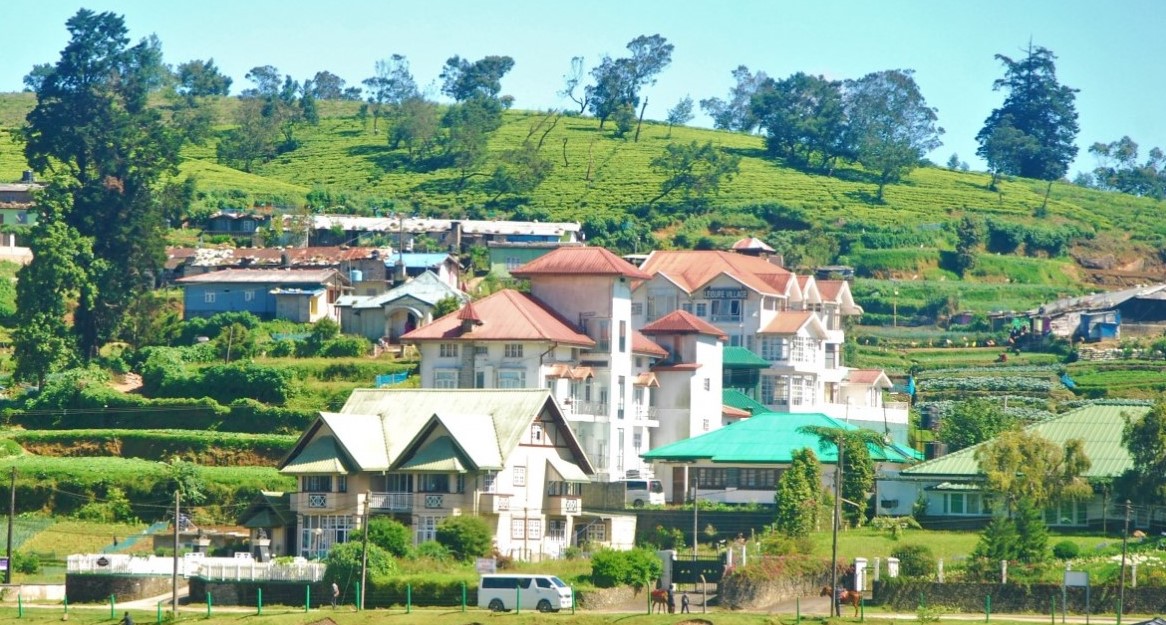
"From taro cultivation in Bogor to village tourism in Banyumas, every village has a story worth telling — and an opportunity worth sharing."
Seven areas of village knowledge
FolderDesa organizes its articles across these interconnected topics, each one grounded in real Indonesian village experience.
What you'll find on FolderDesa
Practical articles written by contributors who understand village life.
Agriculture & Cultivation
Articles on taro (talas bogor), dragon fruit, crystal guava, durian, oyster mushrooms, and tabulampot grapes — plus livestock such as dairy goats and Merino sheep.
Village-Owned Enterprises
Guides on establishing BUMDes, the differences from cooperatives, and why professional phased management matters for village economic growth.
Village Tourism
Coverage of destinations like Desa Karangkemiri in Banyumas, where outbound activities and a swimming pool helped tourism contribute Rp 50 million to village income in 2021.
Culinary Traditions
Indonesian village foods, Sundanese heritage dishes, spiced drinks, infused waters, seafood street-food ideas, and home-industry snack production.
Business Opportunities
From dried wood ear mushrooms and kopyor coconut seedlings to ecoprint crafting, bamboo crafts, and mina padi integrated rice-fish farming.
Village News & Community
Reports on social assistance programs like PKH, village governance structures, and practical tips such as safe homecoming travel during mudik season.
The Economics of Duck Farming in Rural Java
Duck farming is a familiar livelihood across rural Java, where rice fields, irrigation channels, ponds, and household yards can support small flocks. Ducks provide eggs, meat, manure, and regular cash flow, making them useful for families that need income between rice harvests or from seasonal work.
The business looks simple, but its profitability depends on feed prices, flock health, market access, labor, and the timing of production. A farmer who sells fresh eggs to nearby traders may follow a different model from one who supplies salted eggs, restaurants, or traditional food producers.
For village officials, cooperatives, and entrepreneurs, duck raising can become part of a broader rural economy. Local feed production, collection services, processing, and tourism-related food sales can create additional value beyond the farm gate.
Why ducks fit village economies
Ducks are well suited to many parts of Java because they can use open areas, rice fields after harvest, small ponds, and simple shelters. Some farmers allow flocks to forage in wetland areas, reducing purchased feed when natural food is available. However, roaming systems must respect landowners, planting schedules, and village regulations.
Egg-laying ducks offer frequent sales rather than a single annual harvest. A flock may generate daily or weekly income, while manure can be used on vegetable plots or sold to growers. Meat ducks provide a different cycle, with revenue concentrated when birds reach market weight.
The most suitable system depends on land, labor, water, and buyer demand. A household with limited space may prefer 30 to 100 laying ducks, while a village enterprise can coordinate larger production through several farmer groups.
Income streams and market timing
Fresh duck eggs are usually the simplest product to sell. Collectors may visit villages, or farmers may deliver eggs to traditional markets, grocery stalls, restaurants, and food processors. Prices can change according to supply, religious holidays, school events, and demand from snack producers.
Processing can improve margins when farmers have reliable quality control. Salted eggs, smoked duck, frozen meat, and ready-to-cook products can reach customers who pay more than wholesale buyers. Processing also requires packaging, hygiene, labor, permits, and a dependable sales channel, so expansion should follow proven demand.
A strong duck enterprise tracks sales by customer type. Selling every egg to one collector is convenient, but it can leave the farm exposed to sudden price reductions. A mix of collectors, local shops, food vendors, and direct customers provides greater flexibility.
Costs, margins, and scale
The main expenses include ducklings, housing, feed, medicines, labor, water, transport, and replacement birds. Feed commonly becomes the largest operating cost, especially when ducks are kept indoors or when grain prices rise. Losses from disease, predators, poor-quality ducklings, and low egg production can quickly reduce a farmer’s margin.
The figures below are illustrative planning ranges rather than fixed market prices. Actual results in Central Java, East Java, West Java, and other regions will vary by breed, season, feed formula, and buyer relationships.
| Farming model | Typical scale | Main cost pressure | Revenue pattern | Suitable market |
|---|---|---|---|---|
| Household laying flock | 30–100 ducks | Feed and replacement birds | Frequent egg sales | Neighbors, collectors, markets |
| Semi-intensive layer farm | 100–500 ducks | Feed, housing, labor | Regular wholesale income | Traders, shops, food businesses |
| Meat duck production | 100–1,000 birds | Ducklings and feed | Income at the end of each cycle | Restaurants, wholesalers |
| Processed egg business | Linked to local farms | Labor, packaging, permits | Higher value per egg | Retailers, tourism outlets, online buyers |
Profit should be measured per bird and per production cycle, not by gross sales alone. Farmers need records for feed consumed, eggs collected, mortality, transport, medicine, and unsold products. These numbers show whether adding birds will improve income or simply increase exposure to rising costs.
Feed, housing, and flock management
A balanced ration supports egg production, growth, and shell quality. Farmers may combine commercial feed with rice bran, corn, fish meal, snails, vegetables, or other locally available materials, but substitutions should be made carefully. A cheap ration that lowers production can cost more than a higher-priced balanced feed.
Clean water is essential because ducks drink, bathe, and produce wet manure. Housing should provide shade, drainage, airflow, protection from dogs and predators, and enough dry resting space. Wet, crowded shelters increase disease risk and make cleaning expensive.
Farmers should purchase ducklings from reputable sources and isolate new birds before mixing them with the flock. Vaccination and veterinary guidance are important, particularly where respiratory disease or highly pathogenic avian influenza is a concern. Daily observation helps identify reduced appetite, unusual droppings, weak birds, or sudden drops in egg numbers.
Connecting duck farms with village business
A village-owned enterprise can coordinate activities that are difficult for individual farmers. It may purchase feed in bulk, arrange duckling supplies, collect eggs, standardize packaging, or negotiate with hotels and food producers. Information about BUMDes opportunities can help village stakeholders assess how livestock services might fit within a wider local business portfolio.
A BUMDes should avoid entering duck farming simply because livestock is popular. It needs a clear feasibility study, capable managers, transparent accounts, and evidence of demand. The enterprise might begin with collection and marketing rather than owning a large flock, allowing it to test logistics with lower capital exposure.
Tourism can create another market. Village homestays, culinary centers, traditional markets, and festivals may use salted duck eggs or duck dishes as local products. Consistent labeling and a clear village identity can turn ordinary farm output into a recognizable rural brand.
Priorities for new duck farmers
Starting small gives farmers room to learn production records, buyer preferences, and disease prevention before committing substantial capital. A simple business plan should estimate the cost of one full cycle and include a reserve for feed price increases or unexpected mortality. The practical guidance in this BUMDes start-up guide is also relevant when a village group plans to manage shared livestock services.
Farmers and village groups should focus on the following priorities:
- Confirm at least two dependable buyers before expanding the flock.
- Compare feed formulas by cost per unit of production, not price per sack.
- Keep daily records for feed, eggs, mortality, medicine, and sales.
- Separate sick or newly purchased ducks from the main flock.
- Add processing only after hygiene, packaging, and customer demand are established.
Duck farming can strengthen rural household income when production is matched with disciplined management and realistic market planning. Farmers, cooperatives, and village enterprises can begin by mapping local buyers, calculating a small pilot flock, and reviewing the results after one complete production cycle. Share the plan with local agricultural officers and farmer groups, then build growth around evidence rather than guesswork.

Questions or story ideas from your village?
FolderDesa welcomes readers who want to share village experiences or learn more about the topics covered on the site.
Visit the Contact Page