
FolderDesa brings together practical knowledge on farming, village-owned enterprises, culinary traditions, rural tourism, and small-business ideas — all rooted in the everyday life of Indonesian villages.
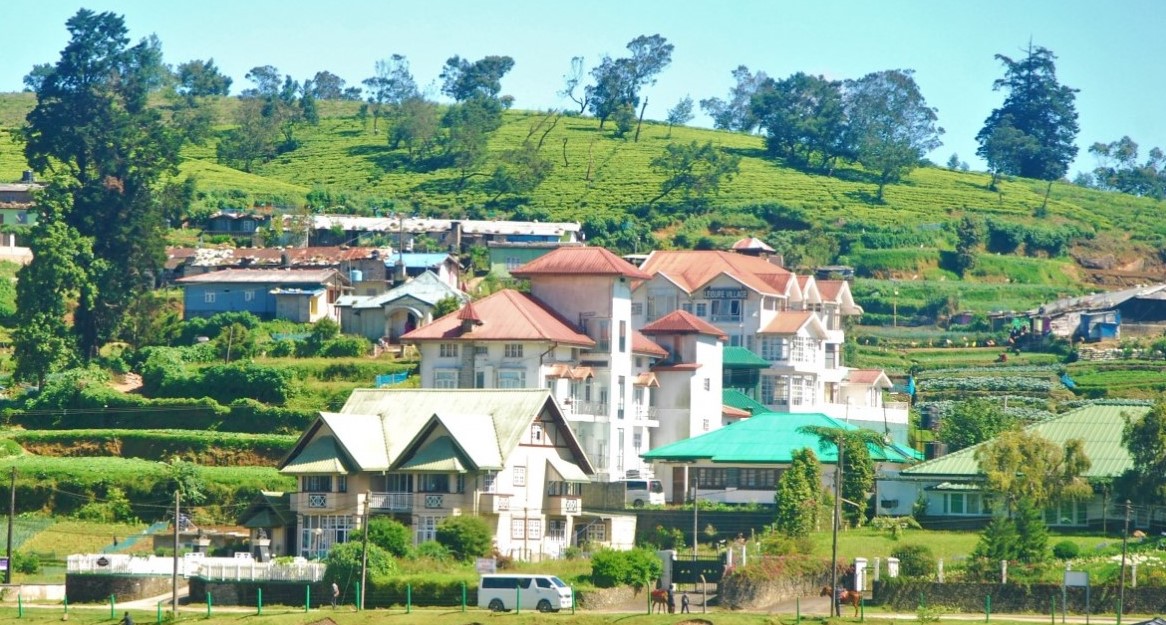
"From taro cultivation in Bogor to village tourism in Banyumas, every village has a story worth telling — and an opportunity worth sharing."
Seven areas of village knowledge
FolderDesa organizes its articles across these interconnected topics, each one grounded in real Indonesian village experience.
What you'll find on FolderDesa
Practical articles written by contributors who understand village life.
Agriculture & Cultivation
Articles on taro (talas bogor), dragon fruit, crystal guava, durian, oyster mushrooms, and tabulampot grapes — plus livestock such as dairy goats and Merino sheep.
Village-Owned Enterprises
Guides on establishing BUMDes, the differences from cooperatives, and why professional phased management matters for village economic growth.
Village Tourism
Coverage of destinations like Desa Karangkemiri in Banyumas, where outbound activities and a swimming pool helped tourism contribute Rp 50 million to village income in 2021.
Culinary Traditions
Indonesian village foods, Sundanese heritage dishes, spiced drinks, infused waters, seafood street-food ideas, and home-industry snack production.
Business Opportunities
From dried wood ear mushrooms and kopyor coconut seedlings to ecoprint crafting, bamboo crafts, and mina padi integrated rice-fish farming.
Village News & Community
Reports on social assistance programs like PKH, village governance structures, and practical tips such as safe homecoming travel during mudik season.
Building a Village Wooden Bridge for Safe Pedestrian Access
A small timber bridge can transform daily life in a rural community. It may connect homes to rice fields, shorten the walk to school, or give visitors safer access to a village tourism site. In Indonesia, such a structure often serves several purposes at once, linking farms, footpaths, waterways, and community facilities.
Building a village wooden bridge requires more than placing planks across a stream. The site, soil, water flow, timber quality, drainage, handrails, and maintenance routine all affect safety and durability. A simple pedestrian crossing should be designed for real local conditions, including wet-season flooding and heavy daily use.
Australian readers may recognise similar needs in creek crossings near regional towns such as Cairns, Darwin, or the outskirts of Brisbane. The materials and construction details may differ, but the principle is shared: a modest community project works best when residents understand the risks, plan together, and use materials suited to the environment.
Surveying the Site Before Construction
Start by measuring the crossing and observing how water moves during both dry and wet conditions. A bridge should span the narrowest stable section without forcing water into a restricted channel. Check the banks for erosion, soft soil, fallen trees, and signs that the stream changes direction after heavy rain.
Speak with farmers, residents, and village officials before fixing the location. Their knowledge can reveal where children usually walk, which paths become muddy, and how high floodwater rises. A village map can help record homes, fields, drainage channels, and alternative routes; guidance on creating a village map is useful during this stage.
The crossing should also be checked against land ownership and local approvals. In Indonesia, a village government may need to coordinate with landholders, irrigation groups, or a BUMDes before work begins. In Australia, a similar project may require council permission, environmental review, or consultation with a local land manager.
Selecting Timber and Structural Components
Use straight, sound timber with no major cracks, deep insect damage, or severe warping. Durable hardwood is generally preferable for beams, decking, and posts, especially in humid locations. Timber should be seasoned and treated appropriately, while cuts and drilled holes should receive additional protection where possible.
A basic pedestrian bridge normally includes support posts or abutments, longitudinal beams, cross-bearers, deck boards, and handrails. The beams carry the main load, while closely spaced cross-bearers help prevent the decking from flexing. Galvanised bolts and brackets are better suited to outdoor conditions than ordinary nails.
Do not rely on a single plank or improvised supports for a regular public route. If the span is long, the banks are unstable, or the bridge may be exposed to flood debris, consult a qualified builder or engineer. A low-cost project can still use professional advice for the parts where failure could cause serious injury.
Preparing Foundations and Setting the Frame
Clear vegetation only where necessary and avoid weakening the stream banks. Place supports on firm ground above the likely scour zone. Stone, compacted gravel, or concrete footings may be required to stop posts from sinking, although the appropriate solution depends on soil, water flow, and available materials.
Set the main beams level and ensure both ends have secure bearing. Use temporary bracing while the frame is being assembled. Before attaching the deck, check the span, width, height above the water, and alignment with the approach path. A bridge that is technically strong can still be awkward if it ends at a steep or slippery bank.
For wet tropical villages, keep timber away from constantly saturated soil where practical. In areas affected by monsoonal rain, allow water to drain around the structure instead of creating a dam-like obstruction. In southern Australian settings, seasonal creek flows and bushfire-related erosion may require different inspections after storms or dry periods.
Installing Decking, Rails, and Access Paths
Fix deck boards across the beams with small, consistent gaps for drainage. The surface should be firm underfoot without creating openings large enough for a child’s foot or a walking stick to catch. Avoid excessively smooth boards, as algae, mud, and rain can make them dangerous.
Handrails are important wherever the bridge is raised, narrow, or used by children and older people. Install rails on both sides, with sturdy posts and a comfortable gripping height. Consider a lower barrier or infill where small children, bicycles, or farm animals frequently use the crossing.
The approaches deserve equal attention. Compact gravel, paving blocks, or timber edging can prevent muddy slopes from washing away. In an Australian village or rural reserve, users may expect a clear, accessible path similar to a creekside walking track; in an Indonesian village, the same improvement can support school journeys, market trips, and visitors moving between attractions.
Managing Safety, Labour, and Community Costs
Before opening the bridge, inspect every bolt, joint, board, and handrail. Test the surface carefully and remove splinters, protruding fasteners, and unstable branches nearby. Put up a simple sign stating the intended use, especially if the bridge is for pedestrians only and cannot carry motorbikes or livestock carts.
Community labour can reduce costs, but responsibilities should be clear. A village work group may handle clearing and painting, while experienced carpenters complete the load-bearing frame. Record donated timber, paid labour, transport, and tools so the project remains transparent and can be reported to residents or a village enterprise.
A practical budget commonly includes:
- Durable structural timber and decking boards
- Galvanised bolts, screws, brackets, and handrail fittings
- Gravel, stone, or concrete for stable approaches
- Transport, tools, protective equipment, and contingency funds
Useful planning checks include:
- Highest known flood level and debris risk
- Expected users, including children and older residents
- Land access, permits, and environmental restrictions
- Maintenance duties and inspection dates
Maintaining the Crossing Over Time
Wooden bridges need regular care, even when the first construction is sound. Inspect them after intense rain, flooding, cyclones, or long periods of humidity. Look for loose boards, rotten ends, rusted fittings, leaning posts, bank erosion, and changes in the streambed.
Create a simple maintenance register managed by the village government, neighbourhood group, or BUMDes. Monthly visual checks may be enough in the dry season, while weekly checks are sensible during heavy rains. A small reserve for replacement boards and fasteners is more effective than waiting until the entire structure becomes unsafe.
The bridge can also support local economic activity. It may improve access to a farm stall, traditional food area, fishing pond, or rural tourism route. Australia’s weekend farmers’ markets and walking trails show how reliable pedestrian access can increase visits to small producers; in Indonesian villages, a safe crossing can connect visitors with warung, craft makers, homestays, and village-owned enterprises.
Practical rural knowledge, project reports, and community development ideas can be explored through the village development magazine. The most useful bridge is not necessarily the largest or most expensive one, but the crossing that matches local traffic, survives seasonal water, and has a named group responsible for checking it. Finish the work with a recorded inspection schedule, clear user limits, and a maintenance fund set aside from the beginning.

Questions or story ideas from your village?
FolderDesa welcomes readers who want to share village experiences or learn more about the topics covered on the site.
Visit the Contact Page