
FolderDesa brings together practical knowledge on farming, village-owned enterprises, culinary traditions, rural tourism, and small-business ideas — all rooted in the everyday life of Indonesian villages.
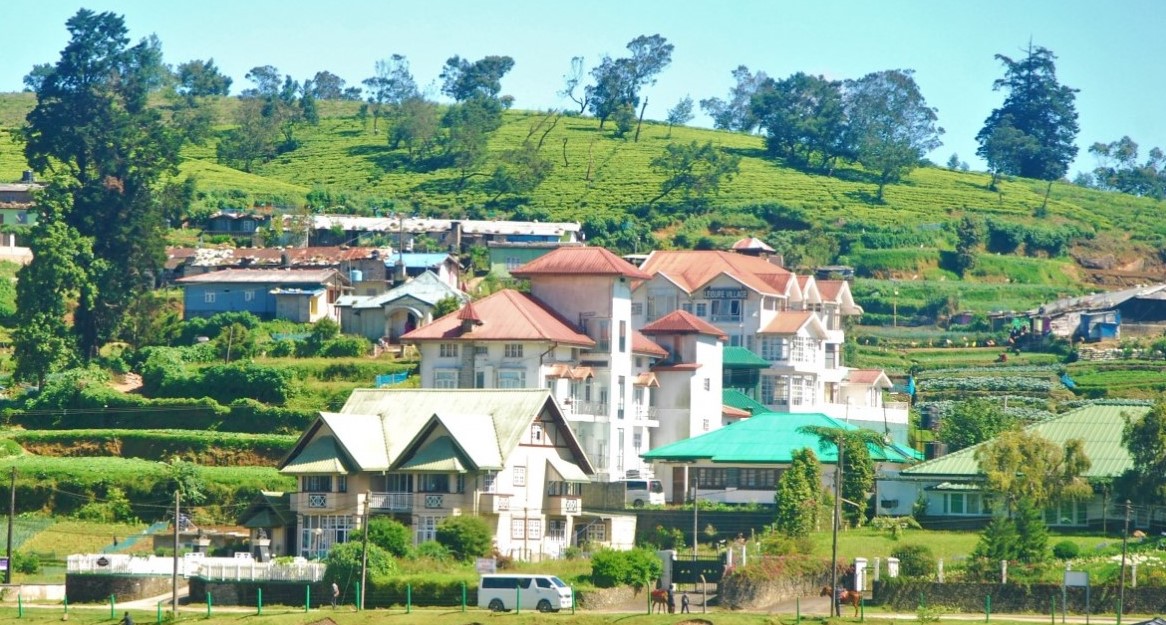
"From taro cultivation in Bogor to village tourism in Banyumas, every village has a story worth telling — and an opportunity worth sharing."
Seven areas of village knowledge
FolderDesa organizes its articles across these interconnected topics, each one grounded in real Indonesian village experience.
What you'll find on FolderDesa
Practical articles written by contributors who understand village life.
Agriculture & Cultivation
Articles on taro (talas bogor), dragon fruit, crystal guava, durian, oyster mushrooms, and tabulampot grapes — plus livestock such as dairy goats and Merino sheep.
Village-Owned Enterprises
Guides on establishing BUMDes, the differences from cooperatives, and why professional phased management matters for village economic growth.
Village Tourism
Coverage of destinations like Desa Karangkemiri in Banyumas, where outbound activities and a swimming pool helped tourism contribute Rp 50 million to village income in 2021.
Culinary Traditions
Indonesian village foods, Sundanese heritage dishes, spiced drinks, infused waters, seafood street-food ideas, and home-industry snack production.
Business Opportunities
From dried wood ear mushrooms and kopyor coconut seedlings to ecoprint crafting, bamboo crafts, and mina padi integrated rice-fish farming.
Village News & Community
Reports on social assistance programs like PKH, village governance structures, and practical tips such as safe homecoming travel during mudik season.
Building a Village Rooftop Rainwater Harvesting System
Rooftop rainwater harvesting has long been part of village life in Indonesia, where wet-season downpours can drop several hundred millimetres a month on a single roof. Captured, stored, and used carefully, that runoff becomes drinking water during the dry months, irrigation for kitchen gardens, and a reliable supply for small village enterprises. For households that currently rely on distant wells or limited standpipes, a well-designed system can transform daily routines.
Australian readers will recognise the principle. Brisbane City Council continues to offer rebates for households installing rainwater tanks above a minimum capacity, Melbourne has required plumbed tanks on new homes for years, and Sydney turned to widespread household storage during the millennium drought. In Perth, where groundwater levels have dropped for decades, tanks complement mains supply through long dry summers. The same logic applies on a Javanese joglo or a Balinese wantilan: gravity feeds water down, a tank stores it, and simple plumbing delivers it where needed.
Before raising a single pipe, it helps to think about how the system fits the rhythms of the village. Monsoon rains arrive predictably between November and March in many regions, but dry-season scarcity stretches from June into October. Matching storage size to roof area, rainfall, and household demand avoids the common mistake of installing a tank that empties before the rains return.
Planning the Catchment Area and Storage Needs
The starting point is the roof itself. Measure its plan area in square metres and note the pitch, since steeper roofs shed water faster but deliver the same total volume. A simple calculation multiplies roof area by expected rainfall in millimetres to estimate litres collected per rainy season, then subtracts losses from splash and evaporation.
Household demand shapes storage size. A typical Indonesian family of five uses between 80 and 120 litres per day for drinking, cooking, and washing when no other source is available. For a village system serving a small warung or community kitchen, demand climbs quickly, so the storage target often sits between 5,000 and 10,000 litres for a single household and higher for shared facilities.
Local rainfall patterns matter as much as averages. While Bali receives around 1,500 millimetres a year, parts of East Nusa Tenggara get less than half that, meaning a smaller roof there needs a proportionally larger tank. Checking the nearest meteorological station's decade-long data avoids over- or under-sizing before any pipe is fitted.
Gutters, Downpipes, and First-Flush Filtration
A catchment system is only as clean as the roof above it. Galvanised or PVC gutters running along the eaves collect runoff, while downpipes channel it toward the storage tank. Half-round gutters suit most tile roofs common in rural Indonesia, and a gentle slope toward each downpipe keeps water moving rather than pooling and breeding mosquitoes.
First-flush diverters are a small but worthwhile addition. They route the initial, dustiest runoff from each storm away from the tank, leaving cleaner water to fill the storage. A simple manual diverter can be built from a PVC elbow, a small bucket, and a floating ball, costing a fraction of a commercial unit while performing the same job.
Mesh guards over gutters and at tank inlets keep out leaves, frogs, and insects. In humid tropical conditions, even small debris breaks down quickly and taints stored water, so screening at every entry point protects water quality and pump equipment. Combined with gutter cleaning before the monsoon, this layer extends tank life considerably.
Comparing Tank Materials and Storage Options
| Material | Typical Capacity | Lifespan | Cost Range | Best For |
|---|---|---|---|---|
| Polyethylene (plastic) | 1,000–10,000 L | 10–20 years | Low | Households, light commercial use |
| Fibreglass | 2,000–20,000 L | 20–30 years | Medium | Permanent homes, shared village systems |
| Concrete | 5,000–50,000 L | 30+ years | Medium–High | Large community tanks, mosques, schools |
| Galvanised steel | 1,000–5,000 L | 15–25 years | Medium | Smaller roofs, mild climates |
Each material behaves differently in the Indonesian climate. Polyethylene tanks are affordable and easy to transport up narrow village lanes, but they can crack under intense midday sun if not shaded. Concrete tanks last decades and stay cool, yet they need proper curing and a solid base to prevent cracking. Fibreglass sits between the two on most measures, while galvanised steel remains popular where transportation is straightforward.
Selection often comes down to logistics and local availability. A fibreglass tank ordered from a regional supplier may take weeks to arrive, whereas a polyethylene tank can be sourced from a nearby building materials shop. Matching the tank to the village's supply chain reduces delays and keeps the project moving through the wet season.
Distribution Lines, Pumps, and Household Use
Once water reaches the tank, getting it to the tap is the next step. Gravity-fed systems work when the tank sits higher than the kitchen or bathroom, common on two-storey village homes and hillside plots. A tap line from the tank's lower outlet, fitted with a float valve, can serve washing and cooking needs without electricity.
Where the tank sits at ground level, a small electric or hand pump raises water to a header tank or directly to household plumbing. Many villages already have intermittent electricity, so a low-wattage pump paired with a pressure switch keeps costs modest. A separate line for garden irrigation avoids pressure drops when the family uses kitchen taps.
Plumbing quality determines how useful the system feels day to day. PEX or PVC pipes are widely available from local suppliers, and fittings should match the tank's outlet thread. Labelling pipes as drinking and non-drinking during installation prevents confusion that plagues shared systems as connections evolve over years.
Seasonal Care and Community Maintenance
Common maintenance materials to keep on hand:
- Stiff-bristled gutter brush
- Replacement mesh screens
- Mild chlorine-based cleaner for tank walls
- Spare washers for tap fittings
A simple yearly care routine:
- Inspect gutters and downpipes before the wet season
- Check the first-flush diverter after every major storm
- Wash the tank interior every 12 to 24 months
- Clear mosquito mesh around tank vents and overflows
Community-owned systems need a written handover so maintenance does not depend on a single person. The BUMDes or local PKK women's association often takes responsibility, scheduling cleaning days and keeping a small parts fund. A short logbook beside the tank records when the system was last checked, making troubleshooting easier when problems appear.
Even well-cared-for systems need upgrades over time. Pipe fittings corrode, pumps wear out, and tank seals crack. Setting aside a small annual contribution from each connected household creates a reserve for repairs, replacing the temptation to defer maintenance until a major failure forces an expensive fix.
When the system is in place, water security quickly reshapes village life. School gardens stay productive through the dry months, mothers spend fewer hours fetching water, and village enterprises gain a reliable supply for washing produce or cleaning equipment. The next step is to walk the planned roofline with a measuring tape and notebook, sketch the gutter layout, and price a 5,000-litre tank from the nearest supplier before the next rainy season arrives.

Questions or story ideas from your village?
FolderDesa welcomes readers who want to share village experiences or learn more about the topics covered on the site.
Visit the Contact Page