
FolderDesa brings together practical knowledge on farming, village-owned enterprises, culinary traditions, rural tourism, and small-business ideas — all rooted in the everyday life of Indonesian villages.
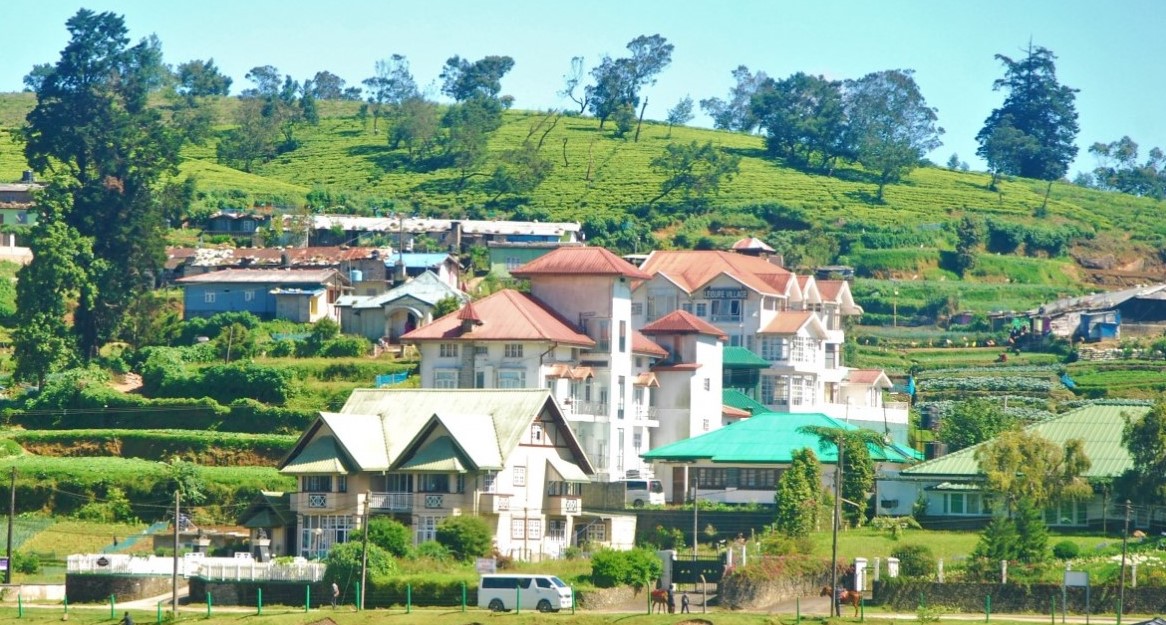
"From taro cultivation in Bogor to village tourism in Banyumas, every village has a story worth telling — and an opportunity worth sharing."
Seven areas of village knowledge
FolderDesa organizes its articles across these interconnected topics, each one grounded in real Indonesian village experience.
What you'll find on FolderDesa
Practical articles written by contributors who understand village life.
Agriculture & Cultivation
Articles on taro (talas bogor), dragon fruit, crystal guava, durian, oyster mushrooms, and tabulampot grapes — plus livestock such as dairy goats and Merino sheep.
Village-Owned Enterprises
Guides on establishing BUMDes, the differences from cooperatives, and why professional phased management matters for village economic growth.
Village Tourism
Coverage of destinations like Desa Karangkemiri in Banyumas, where outbound activities and a swimming pool helped tourism contribute Rp 50 million to village income in 2021.
Culinary Traditions
Indonesian village foods, Sundanese heritage dishes, spiced drinks, infused waters, seafood street-food ideas, and home-industry snack production.
Business Opportunities
From dried wood ear mushrooms and kopyor coconut seedlings to ecoprint crafting, bamboo crafts, and mina padi integrated rice-fish farming.
Village News & Community
Reports on social assistance programs like PKH, village governance structures, and practical tips such as safe homecoming travel during mudik season.
How to start a small-scale tilapia hatchery
Tilapia is one of Indonesia’s most familiar freshwater fish, creating steady demand for healthy seed among pond farmers, rice-fish producers, and household aquaculture businesses. A small hatchery can serve this market without requiring a large pond complex, provided production is organized around water quality, reliable broodstock, and careful handling.
The business can fit well within a village economy. Farmers may raise broodfish, youth groups can manage nursery tanks, and BUMDes can support equipment purchases or coordinate sales to nearby fish growers. The most practical approach is to begin with a manageable target: consistent, healthy tilapia fingerlings rather than maximum output.
A hatchery operator also needs to understand the local market before building. Ask farmers what size of seed they prefer, when demand rises, which strains perform well in local ponds, and whether buyers collect the fish or expect delivery. These details shape tank size, production cycles, packaging, and working capital.
Choose a suitable site and production target
Select a site with a dependable supply of clean water throughout the year. Spring water, deep wells, or filtered irrigation water may work, but water should be tested for odor, turbidity, pH, and possible pesticide contamination. Avoid locations that flood easily or receive runoff from livestock areas and heavily treated fields.
Electricity is important for pumps and aerators, although a gravity-fed system can reduce energy costs. The hatchery should have drainage that keeps wastewater away from the intake. A roof or shade structure protects tanks from excessive heat and helps stabilize water temperature.
Start with a production target that matches available labor. A few breeding tanks, hatching containers, and nursery units are easier to monitor than a crowded facility. Record expected survival rates rather than assuming every egg will become a saleable fingerling.
Build the basic hatchery system
A simple setup may include broodstock ponds or tanks, spawning tanks, egg-hatching containers, nursery tanks, water storage, aeration equipment, nets, buckets, and a grading area. Hapa nets placed inside ponds can separate breeding groups while allowing water circulation. Plastic tanks are useful for controlled spawning and nursery work.
Water entering the hatchery should pass through a screen or filter to keep insects, wild fish, and debris out. Separate tools for incoming fish, nursery units, and waste handling reduce the spread of disease. A footbath at the entrance is inexpensive, while routine cleaning is essential.
Do not overspend on automated equipment during the first cycle. Reliable aerators, backup power, thermometers, pH test kits, and good nets usually provide greater value than complex machinery. Keep spare air stones and repair materials ready because oxygen failure can kill fry quickly.
Select broodstock and manage spawning
Healthy broodfish are the foundation of a profitable hatchery. Choose active fish with sound body shape, clear eyes, intact fins, and no visible wounds. Use mature males and females from a dependable source, and avoid breeding closely related fish for many cycles because inbreeding can weaken growth and survival.
A common starting practice is to place a controlled ratio of males and females in a breeding unit, then inspect the fish regularly. Female tilapia often mouthbrood fertilized eggs, so they must be handled gently when eggs or larvae are collected. Overcrowding can increase stress and make it difficult to identify breeding problems.
Eggs and newly hatched fry need calm water and steady aeration. Remove dead eggs and damaged material promptly. Keep records of spawning dates, broodfish groups, egg counts where practical, and hatch rates. Such records show which broodfish produce dependable offspring and which groups should be replaced.
Control water quality and early feeding
The most sensitive stage is the nursery period. Fry need stable temperature, sufficient dissolved oxygen, and low ammonia. Test pH and ammonia regularly, remove uneaten feed, and replace part of the water when readings or fish behavior indicate trouble. Fish gasping at the surface, gathering near inflows, or swimming weakly may signal oxygen or water-quality problems.
Feed should match the size of the fish. Newly free-swimming fry can receive finely powdered starter feed several times a day in small portions. As they grow, use appropriately sized pellets and avoid feeding more than the stock can consume within a short period. Overfeeding is expensive and can damage water quality.
Clean water does not mean completely sterile water. A stable biological filter or mature nursery system can help process waste, but sudden changes may still stress fry. Quarantine new broodstock before adding them to the main system, and never move nets or buckets between units without cleaning them.
Compare costs, scale, and selling options
Revenue depends on survival, size, and local price rather than the number of eggs produced. A hatchery selling strong 3–5 centimeter fingerlings may earn better repeat business than one selling undersized seed at a lower price. Calculate feed, electricity, transport, labor, water treatment, mortality, packaging, and equipment depreciation before setting prices.
| Production element | Small starting option | Main cost concern | Practical control |
|---|---|---|---|
| Broodstock | 2–4 breeding groups | Fish replacement | Buy healthy, unrelated stock |
| Spawning units | Tanks or hapa nets | Construction materials | Use modular units |
| Nursery system | Several tanks or lined ponds | Aeration and water exchange | Monitor oxygen daily |
| Feed | Starter powder and small pellets | Waste and overfeeding | Feed measured portions |
| Sales | Local farmers and groups | Transport and mortality | Schedule collection times |
Potential buyers include neighboring pond owners, farmer cooperatives, fisheries extension programs, ornamental or food-fish traders, and village enterprises. A simple order book can prevent overproduction. Coordinate delivery days so fish spend less time in transport containers.
Village businesses may also connect hatchery work with food and tourism activities. For example, local women who operate small food outlets can help promote fish products or identify demand from community events; this aligns with the wider role described in village food stalls.
Build a routine that protects survival
Daily discipline matters more than occasional intensive work. Check aerators, inspect fish behavior, remove dead fish, and record feeding and water changes. Weekly tasks can include grading fingerlings by size, cleaning filters, checking electrical connections, and reviewing sales orders.
Use transparent records for a group-run hatchery. Note who feeds fish, who checks water, which broodstock spawned, and how many fingerlings were sold. This prevents confusion when several families or BUMDes staff share responsibilities.
Good customer service is also part of production. Supply fish of a consistent size, explain acclimatization before stocking, and replace clearly defective batches when the cause is verified. Farmers who receive vigorous seed are more likely to return for the next cycle.
Practical steps before the first cycle
A first production cycle should be treated as a controlled test. Begin with a limited number of broodfish and measure actual hatch rates, survival, labor time, and customer response. Use those figures to adjust the next cycle instead of relying on estimates from equipment sellers.
- Survey nearby tilapia farmers and record their preferred fingerling size.
- Test the water source during both dry and wet conditions.
- Prepare backup aeration and a safe temporary holding container.
- Purchase broodstock from a traceable, reputable supplier.
- Keep production, mortality, feed, and sales records from day one.
Training from a fisheries office, aquaculture extension worker, or experienced hatchery operator can prevent costly mistakes. Demonstrations are especially useful for egg collection, fry grading, transport, and recognizing early signs of disease.
Turn a hatchery into a village enterprise
A small-scale tilapia hatchery becomes stronger when it serves an existing local network. Partnerships with pond farmers can create regular orders, while BUMDes can provide shared equipment, bookkeeping support, or a small revolving fund. Farmer groups may also coordinate feed purchases and transport to reduce costs.
Expansion should follow evidence. Add tanks only after the existing units achieve stable survival and dependable sales. With careful water management, healthy broodstock, accurate records, and close attention to buyers, a modest hatchery can develop into a practical source of income and reliable fish seed for the surrounding village.
Begin by surveying local demand, preparing the water system, and completing one carefully documented production cycle. Use the results to refine the business and build trust with farmers before increasing capacity.

Questions or story ideas from your village?
FolderDesa welcomes readers who want to share village experiences or learn more about the topics covered on the site.
Visit the Contact Page