
FolderDesa brings together practical knowledge on farming, village-owned enterprises, culinary traditions, rural tourism, and small-business ideas — all rooted in the everyday life of Indonesian villages.
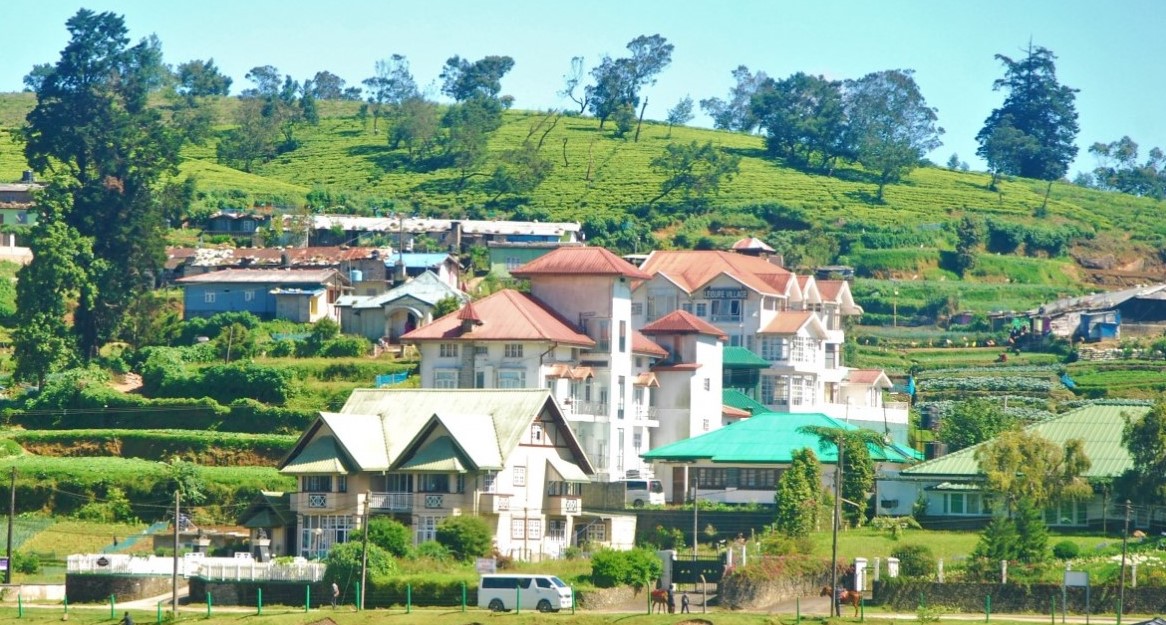
"From taro cultivation in Bogor to village tourism in Banyumas, every village has a story worth telling — and an opportunity worth sharing."
Seven areas of village knowledge
FolderDesa organizes its articles across these interconnected topics, each one grounded in real Indonesian village experience.
What you'll find on FolderDesa
Practical articles written by contributors who understand village life.
Agriculture & Cultivation
Articles on taro (talas bogor), dragon fruit, crystal guava, durian, oyster mushrooms, and tabulampot grapes — plus livestock such as dairy goats and Merino sheep.
Village-Owned Enterprises
Guides on establishing BUMDes, the differences from cooperatives, and why professional phased management matters for village economic growth.
Village Tourism
Coverage of destinations like Desa Karangkemiri in Banyumas, where outbound activities and a swimming pool helped tourism contribute Rp 50 million to village income in 2021.
Culinary Traditions
Indonesian village foods, Sundanese heritage dishes, spiced drinks, infused waters, seafood street-food ideas, and home-industry snack production.
Business Opportunities
From dried wood ear mushrooms and kopyor coconut seedlings to ecoprint crafting, bamboo crafts, and mina padi integrated rice-fish farming.
Village News & Community
Reports on social assistance programs like PKH, village governance structures, and practical tips such as safe homecoming travel during mudik season.
How to Build a Village Bamboo Bridge for Safer River Crossings
A bamboo footbridge can connect homes, farms, schools and markets across a narrow stream at relatively low cost. In Indonesian villages, it may provide a vital route during the wet season, when muddy roads become difficult for motorbikes and pedestrians. Good construction, however, matters more than speed or appearance.
The safest bridge begins with a careful understanding of the river. Water depth, current strength, bank stability and seasonal flooding all influence the design. A crossing that seems secure in the dry season may be dangerous after heavy rain, especially where upstream land clearing increases runoff.
For readers in Australia, the same principles apply to a creek crossing on rural property, a community walking trail or a small eco-tourism site. A council permit, an environmental approval or advice from a structural engineer may be required, particularly in areas near waterways, floodplains or public land.
Bamboo is renewable and widely available, but it is not automatically durable. Selecting mature culms, keeping them away from constant ground contact and inspecting the structure regularly can extend its useful life. The bridge should also suit the people who use it, including children, older residents and visitors carrying goods.
Assess The River Crossing
Begin by observing the site over several days and, if possible, during different weather conditions. Measure the normal width and depth, identify slippery banks, and look for signs of flood debris on trees or fences. Never place a bridge where fast water strikes the supports directly or where the river can change course around a bend.
A short span is generally safer and easier to maintain than a long one. If the crossing is wide, consider a central support only after checking that it will not obstruct floodwater or collect branches. In Indonesian villages, local farmers often know which banks remain firm during monsoon rain. Their practical knowledge should complement, rather than replace, technical assessment.
The bridge approach also needs attention. A level path, steps cut into the bank or a compacted gravel landing can reduce slips. Drainage planning around nearby homes and gardens is useful too; guidance on a rainwater harvesting system can help communities think about directing water away from paths and foundations.
Select And Treat Bamboo
Choose mature bamboo with a hard outer surface, a strong natural colour and no extensive cracks, insect holes or fungal stains. Culms should be straight enough for the span and thick enough to resist bending. Species vary, so a local builder or forestry officer can help identify suitable material.
Cut bamboo above a node and allow it to dry under cover with good airflow. Direct sun can cause uneven cracking. Traditional treatment may involve soaking or smoke curing, while boron-based preservatives can provide additional protection when used according to product instructions. Treated pieces must be kept away from drinking-water sources and handled with appropriate protective equipment.
Do not rely on bamboo alone for every connection. Galvanised bolts, threaded rod, rope, hardwood blocks and corrosion-resistant brackets can improve stability. In coastal Queensland or northern New South Wales, salt air can accelerate metal corrosion, so fittings should be selected and inspected with that climate in mind.
Build The Deck And Supports
Use two or more substantial bamboo stringers running along the direction of travel, supported by stable abutments on both banks. Lay smaller culms or split bamboo across them to form the walking surface, fixing each piece firmly rather than relying on loose lashing. A slight camber or textured surface can help rain drain away, but it should not create a trip hazard.
Install handrails on both sides where the bridge is above deep water, has a steep approach or will be used by children. The railing should be continuous and firmly connected to the main frame. A low bridge may still need edge protection because wet bamboo becomes slippery and a fall onto rocks can cause serious injury.
Keep the structure as close to the ground as flood risk allows, while leaving enough clearance for ordinary water flow and floating debris. In Australia, work around a creek may fall under state environmental rules and local council requirements. Public projects should also be reviewed under applicable Work Health and Safety duties, with a qualified person checking the design before opening the crossing.
Organise Community Construction
A village bridge is more reliable when responsibility is shared. The village government, farmers, youth groups, tourism operators and nearby households can agree on its location, construction schedule and maintenance duties. BUMDes or a local cooperative may help manage funds from visitor fees, produce transport or community enterprise activities.
Construction should be staged so that materials are inspected before they reach the river. One team can prepare bamboo, another can build the abutments, and a trained group can complete the structural assembly. Keep children and untrained visitors away from the work area, particularly when drilling, lifting heavy culms or working above water.
Useful community records include the construction date, bamboo source, preservative used, names of responsible volunteers and inspection findings. These records support budgeting and make it easier to replace individual components rather than abandoning the entire bridge.
Inspect, Compare And Maintain
Inspect the crossing after heavy rain, strong winds and periods of high use. Look for split culms, loose lashings, rust, leaning rails, undermined banks and soft landing areas. Replace damaged pieces promptly; a small repair is safer and cheaper than waiting for several connected components to fail.
Everyday habits can affect longevity. Ask users not to ride motorbikes across a footbridge unless it has been specifically designed for that load. In Australian rural communities, people are accustomed to checking bush tracks after storms; the same routine should apply to a creek bridge. At a popular village tourism site, a simple sign can state the maximum users, wet-weather closure rule and emergency contact.
Materials worth preparing
- Mature, treated bamboo culms
- Galvanised or stainless-steel fixings
- Hardwood blocks, rope and protective sealant
- Gravel, drainage material and hand tools
Checks before opening
- Stable banks and secure abutments
- Firm walking surface without sharp splinters
- Strong handrails and visible edge protection
- Clear flood and emergency-maintenance plan
The choice of bridge type depends on the crossing, budget and expected traffic:
| Bridge option | Suitable use | Main advantage | Main limitation |
|---|---|---|---|
| Simple bamboo footbridge | Narrow streams and footpaths | Low cost and quick assembly | Requires frequent inspection |
| Bamboo bridge with timber abutments | Community routes and farm access | More stable landings | Needs treated timber and stronger foundations |
| Bamboo-and-steel frame | Tourism sites or heavier pedestrian use | Better load control and durability | Higher cost and skilled fabrication |
| Permanent engineered bridge | Wide, deep or flood-prone rivers | Highest reliability when designed correctly | Requires professional design, permits and funding |
A bamboo bridge should be treated as community infrastructure, not a temporary decoration. Sound site selection, properly cured material, secure connections and regular inspections create a safer crossing for villagers, farmers and visitors. The key lesson is simple: build for the river’s strongest conditions, maintain every component, and seek qualified engineering or council advice whenever the crossing serves the public or faces serious flood risk.

Questions or story ideas from your village?
FolderDesa welcomes readers who want to share village experiences or learn more about the topics covered on the site.
Visit the Contact Page