
FolderDesa brings together practical knowledge on farming, village-owned enterprises, culinary traditions, rural tourism, and small-business ideas — all rooted in the everyday life of Indonesian villages.
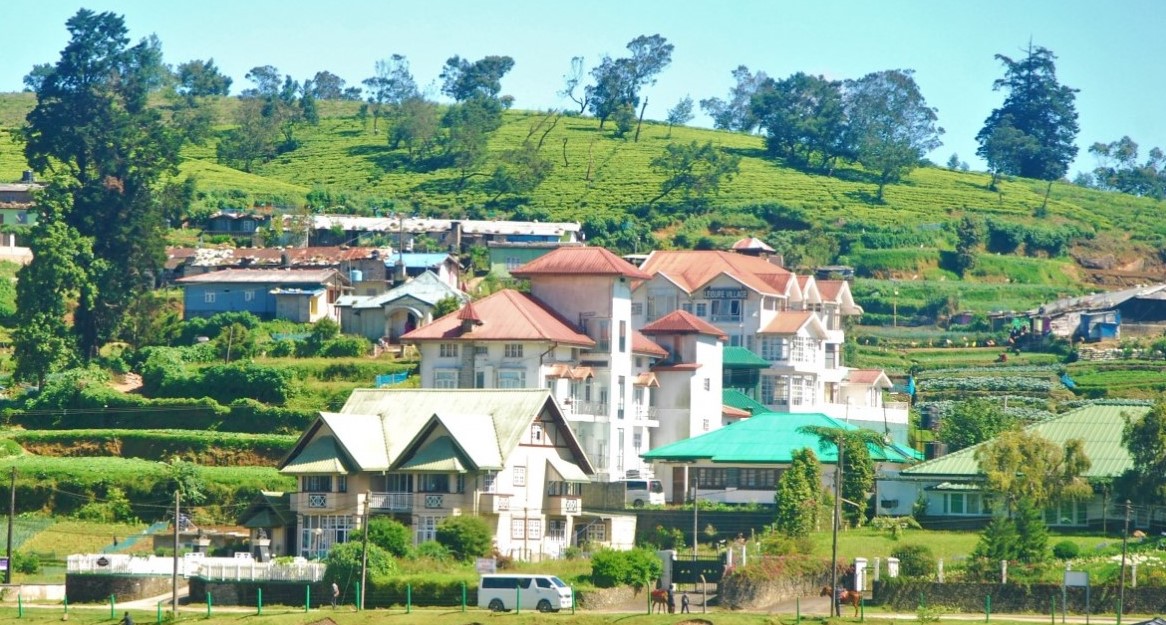
"From taro cultivation in Bogor to village tourism in Banyumas, every village has a story worth telling — and an opportunity worth sharing."
Seven areas of village knowledge
FolderDesa organizes its articles across these interconnected topics, each one grounded in real Indonesian village experience.
What you'll find on FolderDesa
Practical articles written by contributors who understand village life.
Agriculture & Cultivation
Articles on taro (talas bogor), dragon fruit, crystal guava, durian, oyster mushrooms, and tabulampot grapes — plus livestock such as dairy goats and Merino sheep.
Village-Owned Enterprises
Guides on establishing BUMDes, the differences from cooperatives, and why professional phased management matters for village economic growth.
Village Tourism
Coverage of destinations like Desa Karangkemiri in Banyumas, where outbound activities and a swimming pool helped tourism contribute Rp 50 million to village income in 2021.
Culinary Traditions
Indonesian village foods, Sundanese heritage dishes, spiced drinks, infused waters, seafood street-food ideas, and home-industry snack production.
Business Opportunities
From dried wood ear mushrooms and kopyor coconut seedlings to ecoprint crafting, bamboo crafts, and mina padi integrated rice-fish farming.
Village News & Community
Reports on social assistance programs like PKH, village governance structures, and practical tips such as safe homecoming travel during mudik season.
Building Reliable Rainwater Systems for Rural Homes
Rain can be an abundant resource in Indonesian villages, yet many households still experience water shortages during the dry season. Wells may become shallow, springs can weaken, and the cost of pumping or purchasing clean water can place pressure on family finances. A simple rainwater collection system helps households store part of the rainfall that would otherwise flow away from the roof.
A home-scale system does not need expensive technology. With a suitable roof, gutters, a storage tank, basic filtration, and regular maintenance, families can collect water for bathing, washing, gardening, livestock, and selected household uses. Drinking water requires more careful treatment, but rainwater harvesting can still reduce demand on other sources.
The best design depends on local rainfall, roof size, household members, available materials, and the length of the dry season. Planning these factors before construction prevents overflowing tanks, contaminated water, and unnecessary spending.
Why Rainwater Matters In Villages
Rainwater harvesting gives rural households an additional water source when wells and public supply networks are unreliable. It can support vegetable gardens, tree seedlings, sanitation, and livestock without using water reserved for cooking or drinking. In areas affected by seasonal drought, stored water can help families maintain basic activities for several weeks.
The system can also reduce erosion around the house. Instead of rushing from the roof onto bare ground, rain is directed through gutters and downpipes into a tank or infiltration area. This protects foundations, pathways, and garden beds while making better use of seasonal rainfall.
For households with a small food-processing activity, nursery, or livestock operation, stored water may lower operating costs. Families exploring additional income can connect water savings with village business opportunities, especially in agriculture, plant nurseries, rural tourism, and traditional food production.
Assess The Roof And Household Demand
Begin by checking the roof material and condition. Ceramic tiles, metal sheets, and fiber-cement roofing can generally collect water, but surfaces with peeling paint, heavy dust, bird droppings, or chemical treatment need cleaning or replacement. Avoid collecting from roofs that contain hazardous materials or shed loose fibers.
Estimate potential collection with a simple formula: roof area in square meters multiplied by rainfall in millimeters, then multiplied by a runoff factor of about 0.8. For example, a 60-square-meter roof receiving 100 millimeters of rain could theoretically provide 4,800 liters after allowing for losses. The actual amount will vary because of wind, leaks, gutter overflow, and the first dirty flow.
Households should list their intended uses before choosing tank capacity. One family may need water mainly for gardening, while another needs it for bathing and livestock. A smaller tank used frequently may be more practical than a large tank that is difficult to fill, clean, or finance.
Select Components And Storage Capacity
The main parts are roof catchment, gutters, a leaf screen, downpipes, a first-flush diverter, a storage tank, an overflow pipe, and an outlet tap. Gutters should slope gently toward the downpipe and be firmly supported so they do not sag when filled with water. Mesh screens help block leaves, insects, and roof debris.
A first-flush device diverts the initial portion of rainfall, which usually carries dust, bird droppings, and other contaminants from the roof. The diverter needs a drain or release point so dirty water does not remain beside the foundation. For non-drinking use, this basic step significantly improves water quality.
| Storage option | Suitable use | Strengths | Points to manage |
|---|---|---|---|
| Plastic tank | Household water and gardening | Easy to install and widely available | Must be shaded and placed on a stable base |
| Ferrocement tank | Larger family or community storage | Durable and can use local labor | Requires skilled construction and curing time |
| Concrete tank | Permanent household storage | Strong, cool, and long-lasting | Higher construction cost and difficult to relocate |
| Covered drum | Small gardens and emergency use | Low initial cost and simple setup | Limited capacity and faster water-quality decline |
Place the tank on firm, level ground above the surrounding drainage path. A raised platform can improve water pressure at the tap, but it must be designed to carry the full weight of the tank. One thousand liters of water weighs approximately one metric ton, excluding the tank itself.
Build For Safety And Clean Water
Keep the tank covered with a tight lid to prevent mosquitoes, rodents, leaves, and sunlight from entering. An opaque tank reduces algae growth. The inlet should have a removable screen, while the outlet should be positioned above the bottom sediment layer or connected through a floating intake when the budget allows.
Do not connect rainwater pipes directly to a household drinking-water line unless the system has been professionally designed to prevent backflow. Use clearly marked taps for harvested water. If the water will be consumed, combine filtration with disinfection such as boiling, chlorination according to local health guidance, or a tested household treatment unit.
A concrete or masonry tank should be checked for cracks before use. Plastic tanks need protection from sharp objects, excessive heat, and strong wind. Every tank should have an overflow that leads to a soakaway pit, garden, or drainage channel rather than allowing water to collect near the house.
Maintain The System Through Every Season
Before the rainy season, clean the roof, gutters, screens, and first-flush chamber. Check for loose brackets, blocked downpipes, leaks, and mosquito breeding sites. The first rainfall after a long dry period should usually be diverted until the roof has been rinsed.
During storage, inspect the water for unusual odor, color, or surface growth. Remove sediment according to the tank design, and wash the tank periodically while keeping workers safe from confined-space hazards. Children should not be allowed to climb on tanks or play near uncovered openings.
At the end of the dry season, review how quickly the supply was used. If the tank emptied early, the family can reduce nonessential consumption, add another collection surface, improve leak control, or install a second tank. If water remained unused, the household may have chosen excessive capacity or can expand garden production.
Practical Steps For A Durable Installation
A village household can begin with a modest system and expand it as funds and experience grow. Cooperation between neighbors may reduce costs when buying gutters, tanks, filters, or construction materials. Village officials and community groups can also include rainwater storage in sanitation, drought-preparedness, or home-improvement programs.
- Measure the roof and record local rainfall before purchasing a tank.
- Separate drinking-water equipment from water intended for gardens, washing, and livestock.
- Install a first-flush diverter, covered inlet, overflow, and secure tap from the beginning.
- Build the tank base on stable ground away from septic tanks and flood-prone areas.
- Assign a household member to inspect and clean the system on a regular schedule.
A well-maintained rainwater system supports household resilience, protects groundwater, and creates practical value from seasonal rainfall. Start with a safe collection point, use materials that local residents can repair, and document water use through the wet and dry seasons. Turn the plan into a working installation before the next heavy rains arrive.

Questions or story ideas from your village?
FolderDesa welcomes readers who want to share village experiences or learn more about the topics covered on the site.
Visit the Contact Page