
FolderDesa brings together practical knowledge on farming, village-owned enterprises, culinary traditions, rural tourism, and small-business ideas — all rooted in the everyday life of Indonesian villages.
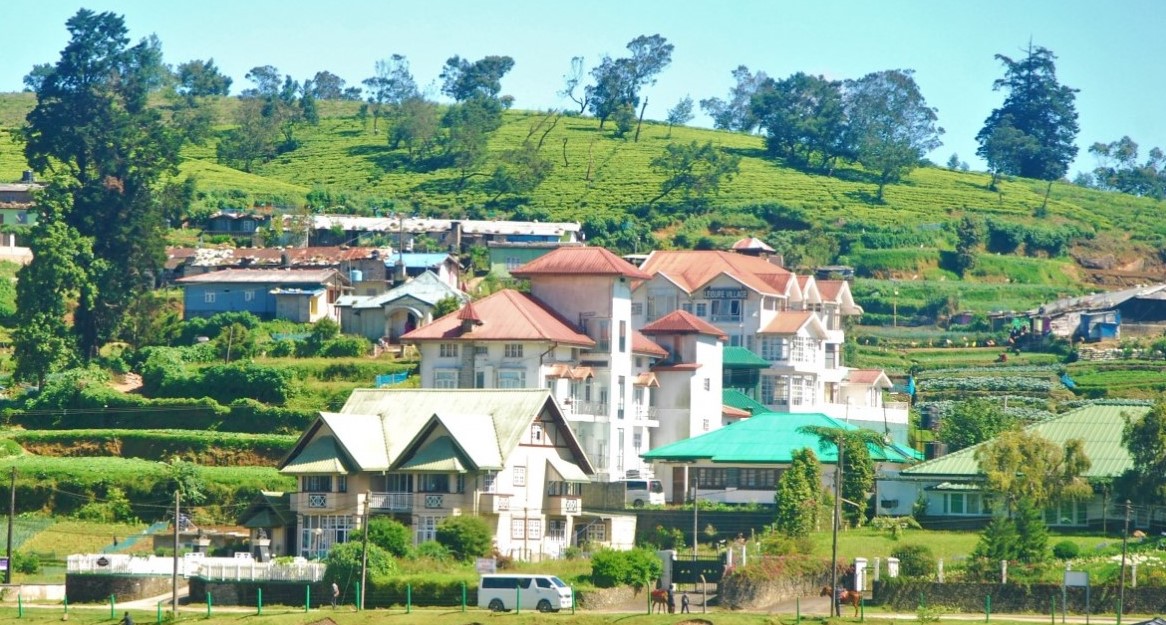
"From taro cultivation in Bogor to village tourism in Banyumas, every village has a story worth telling — and an opportunity worth sharing."
Seven areas of village knowledge
FolderDesa organizes its articles across these interconnected topics, each one grounded in real Indonesian village experience.
What you'll find on FolderDesa
Practical articles written by contributors who understand village life.
Agriculture & Cultivation
Articles on taro (talas bogor), dragon fruit, crystal guava, durian, oyster mushrooms, and tabulampot grapes — plus livestock such as dairy goats and Merino sheep.
Village-Owned Enterprises
Guides on establishing BUMDes, the differences from cooperatives, and why professional phased management matters for village economic growth.
Village Tourism
Coverage of destinations like Desa Karangkemiri in Banyumas, where outbound activities and a swimming pool helped tourism contribute Rp 50 million to village income in 2021.
Culinary Traditions
Indonesian village foods, Sundanese heritage dishes, spiced drinks, infused waters, seafood street-food ideas, and home-industry snack production.
Business Opportunities
From dried wood ear mushrooms and kopyor coconut seedlings to ecoprint crafting, bamboo crafts, and mina padi integrated rice-fish farming.
Village News & Community
Reports on social assistance programs like PKH, village governance structures, and practical tips such as safe homecoming travel during mudik season.
How to build a village floating vegetable garden on a pond
A floating vegetable garden turns unused pond space into a productive growing area. Lightweight beds made from bamboo, recycled containers, or sealed frames can support leafy greens and herbs while leaving the water available for fish, irrigation, or village recreation. The approach suits Indonesian villages where land is limited, but it can also be adapted to small farms and community gardens in Australia.
The key is to treat the project as a small food system rather than a floating planter. Water quality, safe access, suitable crops, maintenance, harvest timing, and local sales all affect whether the garden becomes a useful village enterprise. A carefully tested pilot is safer and cheaper than building a large platform immediately.
Assess the pond before building
Start by checking the pond’s purpose, depth, water movement, bank condition, and seasonal changes. A pond used for fish culture may contain nutrients that help plants grow, while water receiving household wastewater, chemical runoff, or livestock waste should not be used for edible crops. Test the water through a local agricultural office, university, or certified laboratory when possible.
Observe the pond through wet and dry periods. In Indonesia, sudden rain can raise water levels and move floating beds into vegetation or drainage outlets. In Australia, a dam near Toowoomba, Cairns, or Darwin may face intense heat and evaporation, while a pond outside Melbourne can become cold and slow-growing during winter. A simple map showing wind direction, sunny areas, access points, and overflow routes will guide the layout.
Choose safe floating materials
A basic raft can use bamboo poles tied into a rectangle, with crosspieces supporting planting containers. Another option is a frame made from food-grade plastic drums or sealed irrigation pipe. Any buoyant material must be clean, stable, and resistant to breaking down in sunlight. Avoid containers that previously held fuel, pesticides, or industrial chemicals.
The growing surface should stay above the water, even after rain. Coconut fibre, rice husks, compost, and lightweight potting media can be combined to reduce weight, but ordinary garden soil is usually too heavy. Secure every bed to the bank or to a weighted anchor so wind cannot push it across the pond. Leave a clear passage for inspection and emergency access.
Design for crops and growing conditions
Leafy vegetables are the easiest starting point because they mature quickly and do not need deep roots. Kangkung, pak choi, mustard greens, lettuce, basil, coriander, and chives are suitable choices. In warmer northern Australian regions, Asian greens and water spinach can perform well, while growers in Tasmania or Victoria may favour silverbeet, parsley, and cool-season lettuce.
Use shade cloth during extreme heat and install simple trellises only after the raft has proved stable. Heavy crops such as pumpkins, tomatoes, or cucumbers can make a narrow platform unstable. Stagger planting every one or two weeks instead of sowing the entire raft at once. This creates a regular harvest for household use, a warung, a café, or a weekend farmers’ market.
Build a small pilot first
A practical village pilot might contain three or four rafts, each around two metres long. Keep the first design simple: assemble the frame on dry land, add the growing medium, test its buoyancy, and then move it onto the pond with several people. Record how much the raft sinks after watering and whether it remains level when crops mature.
Village officials, youth groups, women’s cooperatives, and fish farmers can share responsibilities. A BUMDes may purchase materials and manage sales, while residents handle planting and maintenance. Clear ownership matters; without a roster, floating beds can become neglected or attract disputes. A useful guide to village development planning can help connect the garden with broader community enterprise activities.
Manage water, pests, and daily work
Do not assume pond water is automatically suitable for vegetables. If fish manure supplies nutrients, monitor plant growth and harvest hygiene carefully. Where contamination is possible, use a separate clean-water tank or raised containers with controlled irrigation. Keep leaves from touching dirty water, and wash produce with potable water before sale.
Inspect the raft several times each week for loose ties, root rot, insect damage, and blocked anchors. Aphids, caterpillars, snails, and fungal diseases can spread quickly in a dense garden. Use hand removal, netting, crop rotation, and approved low-risk treatments before considering stronger pesticides. In Australia, follow state rules for chemical use and observe food-safety requirements when selling produce.
Connect harvests with local markets
The best market depends on distance, volume, and freshness. A village near a tourist site might supply restaurants with herbs and salad greens, while a remote community may focus on household nutrition and weekly bundles. In Australia, customers at Melbourne farmers’ markets often want traceable, low-waste produce, whereas buyers in regional Queensland may value reliable supply during hot months. Prices should include seedlings, transport, packaging, repairs, and labour rather than relying on the pond as free space.
Use simple records for planting dates, harvest weights, sales, and losses. Bunches of kangkung or herbs can be sold directly, while mixed salad packs may suit cafés and farm-gate stalls. In Indonesia, a village enterprise can also sell seedlings, raft-building services, or training to neighbouring communities. In Australia, check council rules, approved food handling arrangements, and market-stall insurance before trading regularly.
Compare design choices before investing
Different systems suit different ponds and budgets. The cheapest option is not always the most durable, especially where strong wind, livestock, or frequent handling is expected.
| Floating garden option | Main strengths | Limitations | Suitable use |
|---|---|---|---|
| Bamboo raft | Affordable, locally available, easy to repair | Shorter lifespan and variable buoyancy | Community pilot in a sheltered pond |
| Recycled food-grade containers | Strong flotation and low material cost | Needs careful cleaning and secure framing | Larger beds with regular maintenance |
| Plastic pipe frame | Neat, durable, and easy to standardise | Higher upfront cost and needs skilled assembly | BUMDes production or demonstration sites |
| Modular planting trays | Easy to move, harvest, and replace | Can dry out quickly in hot weather | Australian backyard dams and small enterprises |
| Fixed-edge floating beds | Stable access and organised layout | More expensive and less flexible | Tourism sites, schools, or permanent gardens |
Make the garden part of village planning
A floating vegetable garden works best when it solves a clear local problem. It may provide fresh food during land shortages, create work for young residents, support a fish-and-vegetable enterprise, or add interest to a rural tourism destination. Set measurable targets such as survival rate, weekly harvest, income per raft, and the number of households involved.
Begin with a modest investment, test one crop cycle, and improve the design from recorded results. A stable frame, clean water, light growing media, regular inspection, and a dependable buyer are more valuable than an ambitious structure. With those basics in place, a pond can become a productive community asset while preserving its wider environmental and social uses.

Questions or story ideas from your village?
FolderDesa welcomes readers who want to share village experiences or learn more about the topics covered on the site.
Visit the Contact Page