
FolderDesa brings together practical knowledge on farming, village-owned enterprises, culinary traditions, rural tourism, and small-business ideas — all rooted in the everyday life of Indonesian villages.
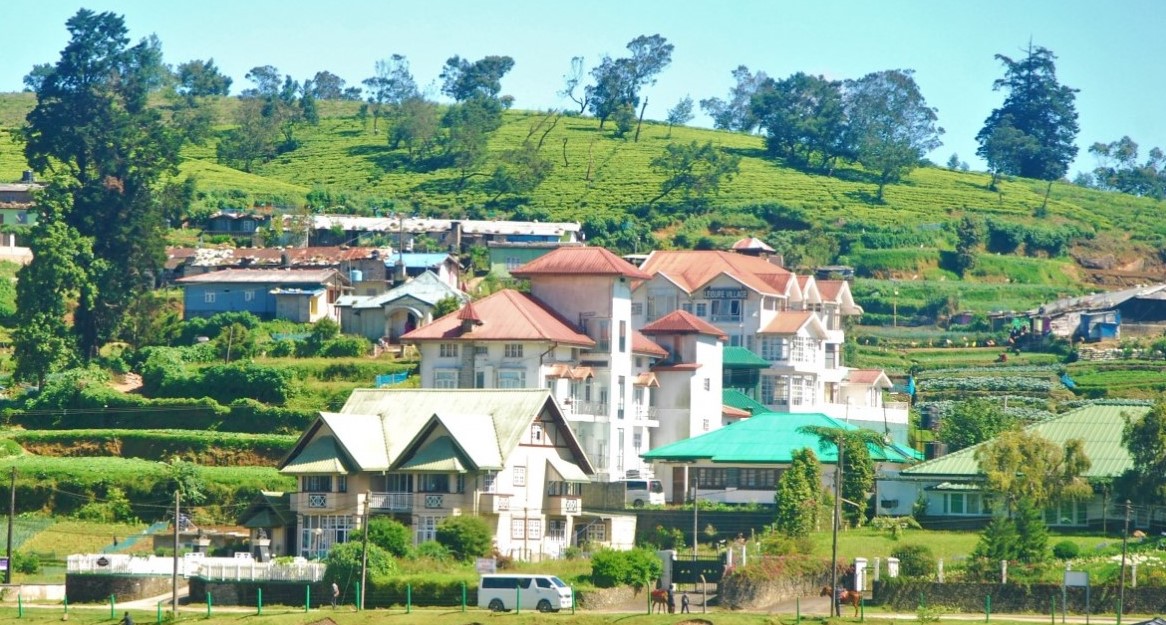
"From taro cultivation in Bogor to village tourism in Banyumas, every village has a story worth telling — and an opportunity worth sharing."
Seven areas of village knowledge
FolderDesa organizes its articles across these interconnected topics, each one grounded in real Indonesian village experience.
What you'll find on FolderDesa
Practical articles written by contributors who understand village life.
Agriculture & Cultivation
Articles on taro (talas bogor), dragon fruit, crystal guava, durian, oyster mushrooms, and tabulampot grapes — plus livestock such as dairy goats and Merino sheep.
Village-Owned Enterprises
Guides on establishing BUMDes, the differences from cooperatives, and why professional phased management matters for village economic growth.
Village Tourism
Coverage of destinations like Desa Karangkemiri in Banyumas, where outbound activities and a swimming pool helped tourism contribute Rp 50 million to village income in 2021.
Culinary Traditions
Indonesian village foods, Sundanese heritage dishes, spiced drinks, infused waters, seafood street-food ideas, and home-industry snack production.
Business Opportunities
From dried wood ear mushrooms and kopyor coconut seedlings to ecoprint crafting, bamboo crafts, and mina padi integrated rice-fish farming.
Village News & Community
Reports on social assistance programs like PKH, village governance structures, and practical tips such as safe homecoming travel during mudik season.
How to start a village tourism information center
A village tourism information center can be a modest room, a trained local team, and a reliable source of guidance for visitors. Its purpose is to connect guests with attractions, residents, homestays, food producers, guides, transport providers, and community activities without turning the village into a commercial showcase detached from daily life.
In rural Indonesia, tourism information is often scattered across social media posts, personal contacts, and informal recommendations. A central service makes it easier for visitors to plan respectful trips while helping village residents promote their own products and experiences. It can also become a practical unit within a BUMDes or a community tourism group.
The best center begins with local knowledge rather than expensive equipment. Before renting a building or printing brochures, residents should agree on what the village wants to share, how tourism income will circulate, and which cultural or environmental boundaries visitors must respect.
Define the village experience
Start by listing the attractions, activities, and services that already exist. These may include rice-field walks, waterfalls, craft workshops, traditional ceremonies, fishing areas, culinary businesses, cycling routes, farms, and village history. Record opening times, prices, travel distances, seasonal conditions, and the person responsible for each service.
The center should distinguish between a genuine community experience and a place that is merely nearby. A village can promote a local breakfast stall, a weaving group, or a beekeeper even if the activity is small. Visitors increasingly value personal interaction and clear explanations, while residents benefit when their skills receive direct recognition.
Talk with elders, youth groups, farmers, women’s associations, religious leaders, and business owners. This consultation helps prevent inaccurate cultural descriptions and identifies concerns about privacy, sacred places, traffic, waste, or disruption during harvest periods.
Choose a practical service model
The physical location should be easy to find and close to an arrival point, such as a village road, parking area, pier, market, or community hall. A small counter inside a BUMDes office may be enough at first. The space needs clear signage, a village map, a price list, emergency contacts, and a place where visitors can speak with staff.
Service hours should match actual visitor patterns. If most guests arrive on weekends, the center can use a rotating schedule rather than paying for a full-time desk. A WhatsApp number, Google Business Profile, and simple social media account can extend the service beyond the building.
Create a basic visitor process: welcome the guest, understand their interests, explain available options, confirm costs, assign a guide or provider, and record the booking. Written receipts and clear cancellation policies build trust. Staff should also explain appropriate clothing, photography rules, waste practices, and safety conditions before a tour begins.
Organize accurate local information
A useful information center depends on information that is current and easy to verify. Prepare short descriptions of each attraction, including the best time to visit, walking difficulty, facilities, accessibility, contact person, and community rules. Avoid exaggerated claims that may create disappointment or pressure fragile sites.
The team can maintain a simple database using a spreadsheet or printed register. Update it after weather events, road repairs, price changes, business closures, and public celebrations. A monthly coordination meeting with tourism providers keeps the information consistent across the center, guides, accommodation owners, and online channels.
| Information area | Details to record | Person responsible |
|---|---|---|
| Attractions | Location, hours, rules, seasonality | Tourism team |
| Local services | Prices, capacity, contact details | Provider or BUMDes |
| Safety | Weather risks, emergency contacts, route conditions | Village officials |
| Culture | Etiquette, restricted areas, photography rules | Community representatives |
| Visitor feedback | Complaints, suggestions, recurring questions | Information desk |
Digital content should show real conditions rather than staged promises. Photos can introduce village landscapes, food, crafts, and activities, while short videos explain how to arrive and what visitors should bring. For cultural tourism, a guide to traditional batik villages can provide useful ideas about explaining craft traditions in a respectful and accessible way.
Train people for welcoming service
Staff do not need formal tourism degrees, but they need practical training. Important skills include greeting visitors, explaining prices, handling bookings, using maps, communicating in basic English when possible, and responding calmly to complaints. Local young people can gain work experience while older residents contribute history and cultural knowledge.
Guides should receive orientation on first aid, group management, environmental care, and respectful storytelling. They must know when not to enter a site, how to respond to sudden rain, and how to protect children, livestock, crops, and private homes from unnecessary disturbance.
Training should also cover fair benefit sharing. Providers need to understand commissions, guide fees, parking charges, and contributions for conservation or village facilities. Publicly displayed rates reduce arguments and ensure that visitors are not charged differently without a clear reason.
Build partnerships and useful packages
A tourism desk becomes stronger when it connects several local businesses into practical packages. A half-day itinerary might combine a farm visit, lunch at a village food stall, a craft demonstration, and a walk with a local guide. A longer package could include a homestay, cycling route, cooking lesson, and evening cultural performance.
Partnerships with schools, universities, travel communities, hotels, transport operators, and nearby attractions can bring new visitors. The center should keep agreements simple and written, especially when money, visitor limits, or responsibilities are involved. Cooperation with district tourism offices may also provide training, signage support, and promotional opportunities.
Rural products can add depth to a visitor experience. For example, guests interested in agriculture may enjoy learning about rural beekeeping basics before visiting a local honey producer. The center can coordinate such visits while making sure that demonstrations do not disturb bees or compromise food safety.
Keep the service financially healthy
A village tourism information center should have a realistic operating budget. Possible income sources include booking commissions, guide fees, map sales, package margins, donations for conservation, and BUMDes support. The center should explain which charges pay staff and which funds support roads, sanitation, cultural activities, or habitat protection.
Track basic figures each month: visitor numbers, booking value, provider income, operating costs, complaints, and repeat visits. These records show which activities are profitable and which need adjustment. They also give village officials evidence when requesting grants or investing in better facilities.
Recommended early actions include:
- Form a small management team with clear roles and decision-making authority.
- Inventory attractions, businesses, routes, risks, prices, and seasonal limitations.
- Open one reliable communication channel before creating several inactive accounts.
- Train staff and guides in hospitality, safety, cultural etiquette, and transparent pricing.
- Review visitor feedback and financial records every month.
Financial success should not be measured by visitor volume alone. A smaller number of respectful guests may provide better income and cause less pressure than large crowds. Set limits for sensitive sites, protect water sources, manage waste, and involve residents when tourism plans change.
Turn information into local value
The center’s purpose is to help visitors discover the village while strengthening the people who live there. When information is accurate, bookings are transparent, and experiences are well managed, tourism can support farmers, cooks, artisans, drivers, guides, homestay owners, and conservation groups.
Begin with one clear map, a tested visitor route, a trained desk team, and several dependable local partners. Document what works, correct what does not, and expand only when the village can maintain quality. A well-run information center can become the practical doorway through which visitors enter rural Indonesia and the channel through which tourism benefits return to the community.

Questions or story ideas from your village?
FolderDesa welcomes readers who want to share village experiences or learn more about the topics covered on the site.
Visit the Contact Page