
FolderDesa brings together practical knowledge on farming, village-owned enterprises, culinary traditions, rural tourism, and small-business ideas — all rooted in the everyday life of Indonesian villages.
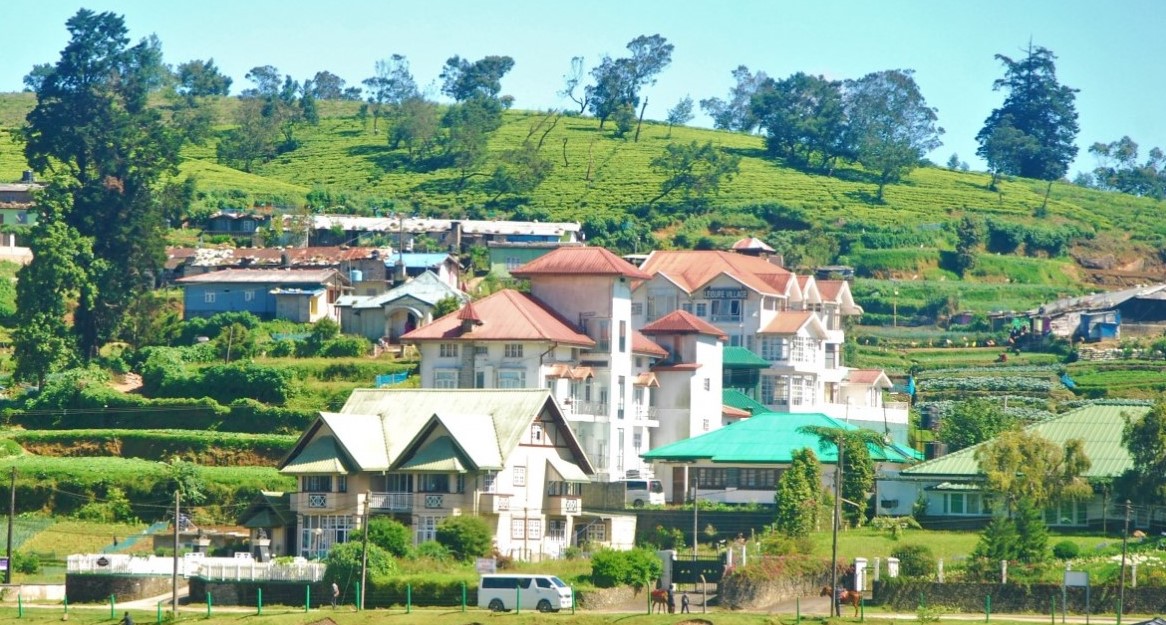
"From taro cultivation in Bogor to village tourism in Banyumas, every village has a story worth telling — and an opportunity worth sharing."
Seven areas of village knowledge
FolderDesa organizes its articles across these interconnected topics, each one grounded in real Indonesian village experience.
What you'll find on FolderDesa
Practical articles written by contributors who understand village life.
Agriculture & Cultivation
Articles on taro (talas bogor), dragon fruit, crystal guava, durian, oyster mushrooms, and tabulampot grapes — plus livestock such as dairy goats and Merino sheep.
Village-Owned Enterprises
Guides on establishing BUMDes, the differences from cooperatives, and why professional phased management matters for village economic growth.
Village Tourism
Coverage of destinations like Desa Karangkemiri in Banyumas, where outbound activities and a swimming pool helped tourism contribute Rp 50 million to village income in 2021.
Culinary Traditions
Indonesian village foods, Sundanese heritage dishes, spiced drinks, infused waters, seafood street-food ideas, and home-industry snack production.
Business Opportunities
From dried wood ear mushrooms and kopyor coconut seedlings to ecoprint crafting, bamboo crafts, and mina padi integrated rice-fish farming.
Village News & Community
Reports on social assistance programs like PKH, village governance structures, and practical tips such as safe homecoming travel during mudik season.
Establishing A Village Batik Dyeing Workshop With Natural Pigments
A village batik dyeing workshop can turn local plants, craft knowledge, and family labour into a practical rural enterprise. Natural pigments from indigo, teak leaves, mahogany bark, turmeric, mango leaves, and other botanical sources can give Indonesian batik a distinctive identity while creating income beyond farming.
For Australian buyers, the opportunity extends beyond souvenir sales. Customers in Melbourne, Sydney, Brisbane, and Perth increasingly value traceable materials, low-waste production, and handmade goods with a clear story. A well-managed workshop can supply weekend markets, ethical homeware shops, online customers, tourism outlets, and cultural gift programmes.
Choose Materials That Belong To The Village
The first step is to map plants already available in the village. Indigo may come from cultivated Indigofera, while mahogany pods, teak leaves, onion skins, sappanwood, turmeric, and mango leaves can provide brown, yellow, orange, and red-brown tones. Farmers can supply residues after pruning or harvest, creating a small secondary income stream.
The workshop should record each dye source, season, collection area, and preparation method. This information helps workers repeat successful colours and gives customers a credible product story. Wild harvesting needs limits, especially when bark or roots could damage trees. Leaves, fallen materials, and planned crop production are safer long-term choices.
Natural dyes rarely behave like factory colours. Water quality, plant age, temperature, fabric type, and fermentation time all affect the result. A simple colour log with fabric samples, measurements, and dates will gradually become the workshop’s technical library.
Design A Safe And Efficient Workspace
A suitable building does not need to be large, but it must separate dry storage, boiling, dye baths, waxing, rinsing, drying, and finished-goods packing. Good airflow matters because boiling plant material and melting batik wax produce heat and vapour. Non-slip floors, covered drainage channels, gloves, aprons, and first-aid supplies should be part of the original design.
Use food-grade or stainless-steel vessels where possible, and label containers clearly. Dye pots should not be used for cooking. Rainwater may be useful for some processes, but it must be filtered and tested before becoming part of a standard recipe. In flood-prone areas, raised shelving and a protected electrical system are essential; practical seasonal flood planning can help the workshop protect stock and equipment.
Security also deserves attention when the building is designed. A strong ventilated door, shaded windows, and lockable chemical and wax storage can reduce theft and weather damage. The principles in this door material guide are useful when comparing timber, steel, and aluminium for a rural production space.
Develop A Repeatable Dyeing Process
The usual sequence begins with scouring the cotton or silk, applying wax or a resist pattern, preparing the dye bath, repeated dipping, drying, and removing the wax. Mordants such as alum may improve colour attachment, although their use should be measured carefully and wastewater should never flow directly into streams or vegetable gardens.
Fermentation can create useful colour changes and support a more traditional production method. Village workers already familiar with food fermentation may understand the importance of temperature, cleanliness, and timing; knowledge from traditional tape making can provide a helpful comparison without treating food vessels and dye vessels as interchangeable.
Begin with a narrow palette of reliable colours rather than promising every shade. A workshop might launch with indigo blue, turmeric yellow, mahogany brown, and a layered green made from blue and yellow. Test swatches should be washed, dried in sunlight, and checked for colourfastness before cloth is sold.
Organise People, Costs, And Sales
A village-owned enterprise, cooperative, women’s group, or family partnership can manage the workshop. Roles might include plant collection, dye preparation, pattern design, quality checking, bookkeeping, and marketing. Paying by skill and responsibility is clearer than dividing income informally, while training younger residents helps preserve local knowledge.
Calculate the full cost of cloth, wax, fuel, water, labour, packaging, transport, stall fees, rejected pieces, and equipment maintenance. For Australian sales, prices should account for shipping, currency changes, customs requirements, and the higher retail expectations of customers at Melbourne design markets or Sydney craft fairs. Lightweight scarves, cushion covers, table runners, and framed samples are easier to transport than bulky products.
Useful operating habits include:
- Keep a batch number on every dyed fabric
- Photograph colours in natural daylight
- Store dried plants above floor level
- Track water, fuel, and labour per metre
Sales channels can be combined rather than relying on one tourist season:
- Village visitor demonstrations and workshops
- BUMDes retail space and regional craft fairs
- Australian ethical retailers and online orders
- Hotel, café, and cultural centre commissions
Australian customers often respond well to a small story card explaining the plant source, village location, care instructions, and maker’s name. Packaging should be recyclable and moisture-resistant, especially for parcels travelling from Indonesia to Perth or regional Queensland.
Compare Natural Pigments Before Scaling Up
A small pilot helps the group understand which pigments are beautiful, stable, affordable, and available throughout the year. The comparison below is a starting point; local tests should determine the final recipe.
| Pigment source | Common colour range | Main advantage | Main limitation | Suitable products |
|---|---|---|---|---|
| Indigo leaves | Blue to deep navy | Strong identity and repeat demand | Needs careful fermentation and oxidation | Scarves, shirts, wall cloth |
| Turmeric | Bright yellow to gold | Cheap and widely available | Fades more quickly in strong light | Small accessories, accents |
| Mahogany bark or pods | Tan to brown | Useful local by-product | Shade varies by material age | Table runners, bags |
| Teak leaves | Red-brown to muted tan | Seasonal and visually distinctive | Requires testing for consistency | Limited-edition cloth |
| Sappanwood | Pink, red, or purple tones | Adds a premium colour option | May require controlled sourcing | Decorative textiles |
Quality control should include a wash test, rubbing test, sunlight test, and customer-use simulation. If a colour bleeds heavily or fades quickly, sell it honestly as a decorative textile or adjust the recipe before using it for clothing.
The workshop can then build a seasonal production calendar. Indigo planting may be planned around rainfall, while fallen leaves and pruning waste are collected at set times. In a dry Australian market, a label explaining that each shade varies naturally can turn small differences into a valued handmade feature rather than a defect.
The next step is to select four locally available dye plants, produce six test swatches from each, and record the recipe, cost, colour, and wash result in one shared workshop ledger.

Questions or story ideas from your village?
FolderDesa welcomes readers who want to share village experiences or learn more about the topics covered on the site.
Visit the Contact Page