
FolderDesa brings together practical knowledge on farming, village-owned enterprises, culinary traditions, rural tourism, and small-business ideas — all rooted in the everyday life of Indonesian villages.
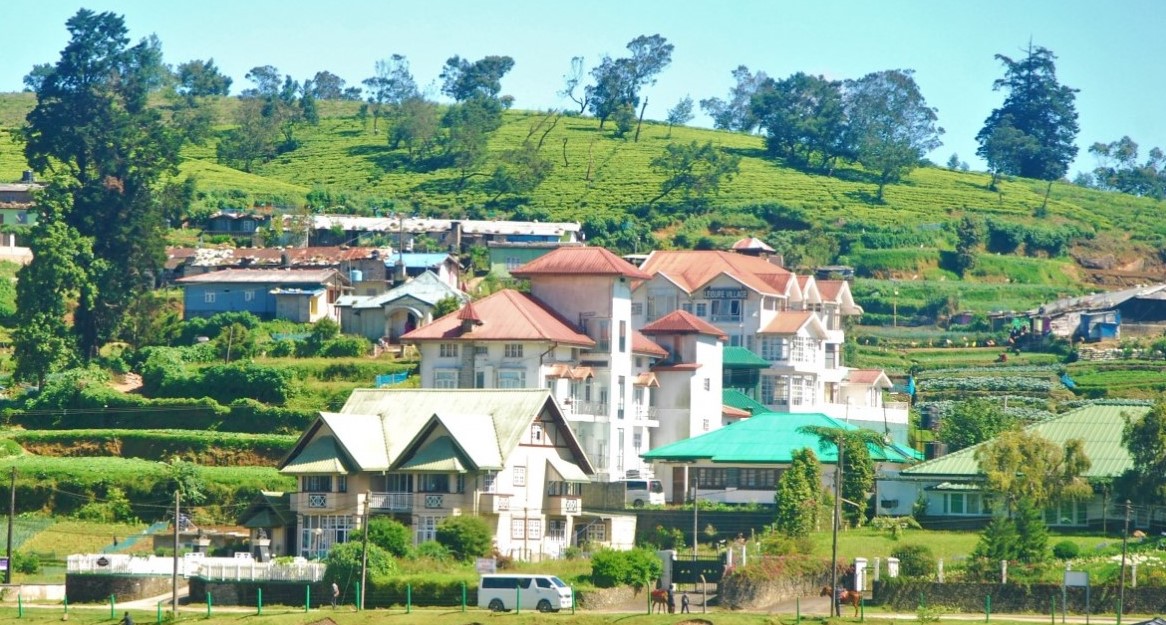
"From taro cultivation in Bogor to village tourism in Banyumas, every village has a story worth telling — and an opportunity worth sharing."
Seven areas of village knowledge
FolderDesa organizes its articles across these interconnected topics, each one grounded in real Indonesian village experience.
What you'll find on FolderDesa
Practical articles written by contributors who understand village life.
Agriculture & Cultivation
Articles on taro (talas bogor), dragon fruit, crystal guava, durian, oyster mushrooms, and tabulampot grapes — plus livestock such as dairy goats and Merino sheep.
Village-Owned Enterprises
Guides on establishing BUMDes, the differences from cooperatives, and why professional phased management matters for village economic growth.
Village Tourism
Coverage of destinations like Desa Karangkemiri in Banyumas, where outbound activities and a swimming pool helped tourism contribute Rp 50 million to village income in 2021.
Culinary Traditions
Indonesian village foods, Sundanese heritage dishes, spiced drinks, infused waters, seafood street-food ideas, and home-industry snack production.
Business Opportunities
From dried wood ear mushrooms and kopyor coconut seedlings to ecoprint crafting, bamboo crafts, and mina padi integrated rice-fish farming.
Village News & Community
Reports on social assistance programs like PKH, village governance structures, and practical tips such as safe homecoming travel during mudik season.
Building a Digital Literacy Class for Village Online Services
Many Indonesian villages have stepped straight into the mobile era without first learning what a smartphone can do beyond chat and video. The gap is rarely about hardware. It is about knowing which doors the device opens — paying a water bill, checking a subsidy, uploading BUMDes receipts — and feeling safe pushing those buttons.
Across rural Australia, towns such as Ballarat, Cairns and Broome have wrestled with the same gap. Programs like Be Connected and Tech Savvy Seniors show that patient, small-group teaching works, and their materials translate well into the village context, where neighbours learn faster together than alone.
A well-run class becomes the on-ramp to the online services the village economy quietly depends on. It lowers the cost of running a BUMDes, opens new markets for local produce, and turns the balai desa into a place where paperwork finishes before sunset rather than being carried home and ignored.
Reading the room before the first lesson
Before any curriculum is drawn up, organisers need to listen. Literacy levels, language habits, and phone experience vary from household to household, and a class that assumes everyone starts at the same place loses half its seats by week two.
A short survey or phone walk-through reveals what villagers already do online. Some already use mobile banking, while others have never tapped a settings menu. In Townsville, Queensland, library staff run device clinics where the first question is always "show me three things you already do on this phone." That single question removes shame, sets a baseline, and tells the trainer where to begin.
A second listening pass should involve elders and the BUMDes manager. They know which services cause the longest queues at the kecamatan office and which forms stay on paper because nobody trusts the digital version. The class should be built around those pain points, not the trainer's assumptions.
Mapping the online services villagers actually need
A rural class works best when it is tied to a tangible task the learner cares about. Government services come first: BPJS health checks, Dukcapil ID updates, and village fund reporting. These run whether or not villagers are ready, so making them ready pays back every hour of teaching.
The second layer is agricultural: weather alerts, seed subsidy applications, e-commerce catalogues, and digital marketplaces for produce. Australian graziers rely on apps like AgriWebb and Farmbot for the same reasons, and how those tools earn their place on a farmer's phone offers a useful comparison. A tool that does not save time within a week gets uninstalled — and the same rule applies in a Javanese or Sumatran household.
A third layer is often overlooked: bookings for homestays, transport, and food experiences. Once a household can upload a photo, send a location pin, and reply politely, they already have the skills to host a guest. The same doorway that orders seeds can list a homestay or share a recipe, which is why a piece like exploring the culinary heritage of belongs in the waiting-area reading pile at the training venue.
Designing a curriculum that respects how adults learn
Adults learn by doing. Sessions should stay under ninety minutes and repeat the same screen for two weeks running, ending with a task the learner will attempt at home. A class on mobile wallet registration, for example, should end with each learner registering their own number during the session, not just watching a demo.
Language matters. Bahasa Indonesia works, but mixing in local terms for "password" and "form" removes the stress of translation. Screenshot handouts printed on A4 paper, with red arrows and a single instruction per image, beat glossy manuals. Pair-novice activities — two learners sharing one phone — match how families actually sit around a device in the evening.
Core modules to cover in the first twelve weeks:
- Phone basics: settings, storage, battery care, safe charging
- Accounts and passwords: email creation, PINs, recovery codes
- Messaging and voice notes: etiquette, voice-to-text, group rules
- Mobile payments: e-wallets, QRIS scans, transfer limits, refund handling
This sequence mirrors what Be Connected delivers in regional New South Wales, simply stretched across more sessions to match village rhythms.
Choosing trainers, tools, and a venue people already trust
The venue should be a place villagers already visit — the balai desa, the village school after hours, or the puskesmas waiting area. Asking people to come to a brand-new building adds a chore to a day that is already full. Trainers should come from village youth, retired teachers, and puskesmas or posyandu staff, because trust travels through familiar faces faster than through credentials.
Devices do not need to be expensive. Most lessons run on the learner's own phone; a small pool of shared Chromebooks helps with typing and form-filling. A reliable projector, a portable speaker, and a stack of printed handouts cover the rest.
Practical tools learners can use at home between sessions:
- A pocket-sized cheat sheet with screenshots and Bahasa captions
- A shared WhatsApp group moderated by a graduate learner for follow-ups
- A laminated QR card linking to trusted village and government sites
- A simple logbook where learners tick off tasks completed during the week
Programs like the Royal Flying Doctor Service's digital health outreach and the train-the-trainer model used by Aboriginal community organisations in the Kimberley show how small teams cover large distances — a useful pattern when a single trainer serves two or three neighbouring villages.
Keeping the class running with partners and funding
A digital class fades quickly without a sponsor, a champion, and a small pot of operational money. Local heroes — a BUMDes manager, school principal, or religious leader — should open the first day with a short welcome. Their presence signals that the class belongs to the village, and their endorsement keeps attendance steady when the harvest pulls families away.
Partnerships turn a six-week pilot into something durable. Local telcos can offer discounted data bundles, the kecamatan office can refer new users, and regional universities can send student volunteers under the Merdeka Belajar programme. Keep an attendance register on a shared sheet, mirroring how farmers log harvests — for templates and ideas, the FolderDesa homepage keeps a rolling list of village training stories.
Reporting matters more than glossy brochures. A one-page summary each quarter — total learners, services used, time saved — is enough for partners, and easier to defend than a thick evaluation.
The next concrete step is to pick one service villagers already touch in some form — WhatsApp, QRIS, or the village fund portal — and design one ninety-minute class around it. Run that session this Saturday morning with the five villagers who turn up.

Questions or story ideas from your village?
FolderDesa welcomes readers who want to share village experiences or learn more about the topics covered on the site.
Visit the Contact Page