
FolderDesa brings together practical knowledge on farming, village-owned enterprises, culinary traditions, rural tourism, and small-business ideas — all rooted in the everyday life of Indonesian villages.
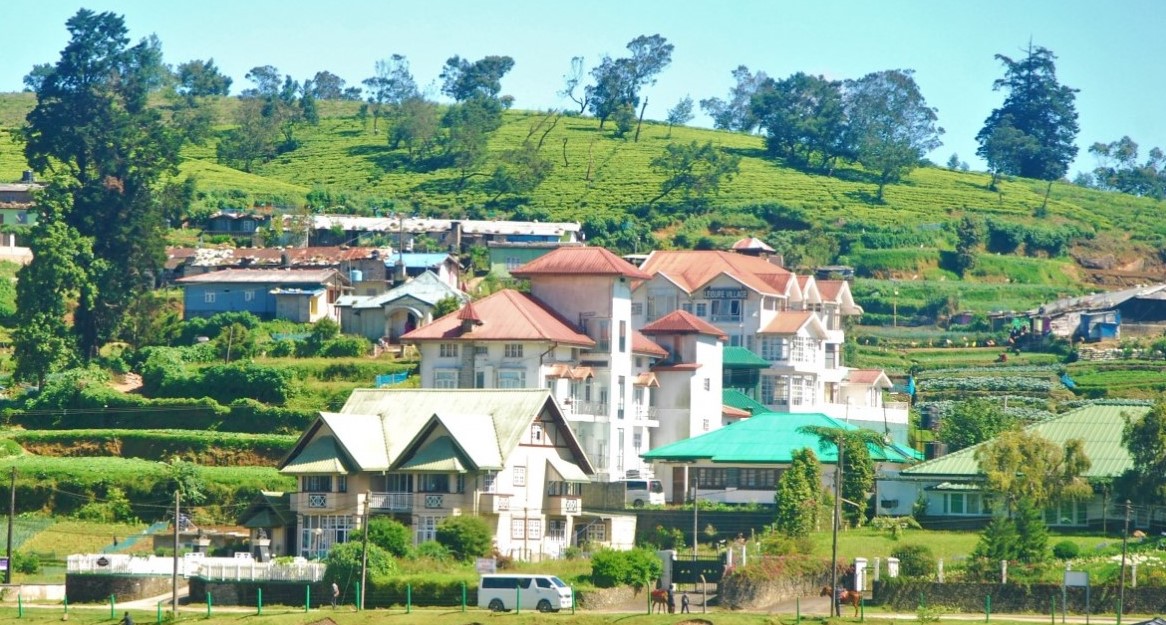
"From taro cultivation in Bogor to village tourism in Banyumas, every village has a story worth telling — and an opportunity worth sharing."
Seven areas of village knowledge
FolderDesa organizes its articles across these interconnected topics, each one grounded in real Indonesian village experience.
What you'll find on FolderDesa
Practical articles written by contributors who understand village life.
Agriculture & Cultivation
Articles on taro (talas bogor), dragon fruit, crystal guava, durian, oyster mushrooms, and tabulampot grapes — plus livestock such as dairy goats and Merino sheep.
Village-Owned Enterprises
Guides on establishing BUMDes, the differences from cooperatives, and why professional phased management matters for village economic growth.
Village Tourism
Coverage of destinations like Desa Karangkemiri in Banyumas, where outbound activities and a swimming pool helped tourism contribute Rp 50 million to village income in 2021.
Culinary Traditions
Indonesian village foods, Sundanese heritage dishes, spiced drinks, infused waters, seafood street-food ideas, and home-industry snack production.
Business Opportunities
From dried wood ear mushrooms and kopyor coconut seedlings to ecoprint crafting, bamboo crafts, and mina padi integrated rice-fish farming.
Village News & Community
Reports on social assistance programs like PKH, village governance structures, and practical tips such as safe homecoming travel during mudik season.
Exploring the culinary heritage of Minangkabau villages
In the highlands and coastal settlements of West Sumatra, food is closely tied to family memory, religious practice, farming, trade, and community gatherings. Minangkabau cuisine is often recognized through rich spices and slow-cooked dishes, yet its deeper story is found in village kitchens, market stalls, communal rice fields, and ceremonies held in the nagari.
Every village has its own interpretation of familiar dishes. The balance of chili, coconut milk, sourness, herbs, and smoke may change according to local crops and geography. A mountain community may rely on vegetables, river fish, and fermented ingredients, while a coastal village often adds seafood, dried fish, and stronger sambal.
Exploring this heritage means looking beyond famous restaurant menus. It means listening to cooks, farmers, elders, food sellers, and young entrepreneurs who continue to adapt traditional recipes while keeping their essential character alive.
Food shaped by nagari life
The Minangkabau nagari is more than an administrative area. It is a social and cultural space where kinship, customary leadership, religious values, and shared resources influence everyday life. Food reflects these relationships through communal cooking, ceremonies, hospitality, and the distribution of ingredients among households.
Rice remains central, supported by crops such as cassava, sweet potatoes, chili, shallots, turmeric, ginger, and coconut. Many ingredients can be grown in home gardens or obtained from nearby farms. Seasonal availability has encouraged practical cooking methods, including drying, salting, fermenting, and preserving meat with spices.
A village food tradition can therefore reveal how people manage land and labor. Mapping these connections through a local resource guide can help communities identify heirloom crops, cooking specialists, traditional markets, and potential culinary tourism routes.
Signature flavors and traditional dishes
Rendang is perhaps the best-known Minangkabau dish, but its identity is broader than beef simmered in coconut milk. The cooking process gradually removes moisture until the meat is coated in a dark, fragrant mixture of chili, lemongrass, galangal, turmeric leaves, garlic, shallots, and coconut. In some villages, rendang is prepared for celebrations or long journeys because its dry texture helps it keep longer.
Gulai offers another expression of the region’s cooking style. It may contain jackfruit, cassava leaves, fish, chicken, beef, or vegetables. The sauce can be intensely spicy and aromatic, but local cooks adjust the richness according to available coconut milk and family preference. Dendeng balado combines thin, dried beef with a bright red chili topping, while sambal lado often turns a simple meal of rice and vegetables into something memorable.
Snacks and ceremonial foods deserve equal attention. Lamang tapai pairs sticky rice cooked in bamboo with sweet fermented cassava. Pinyaram, a chewy fried rice-flour cake, is associated with gatherings and customary occasions. Sala lauak, made from rice flour and fish, is a familiar specialty in coastal areas. These foods show how village cuisine includes desserts, street foods, preserved products, and ritual offerings.
Ingredients that carry local knowledge
Traditional cooking depends on knowledge that is rarely written down in exact measurements. A grandmother may judge coconut milk by thickness, determine when chili has reached the right fragrance, or recognize the correct texture of a spice paste by sight. Such skills are learned through observation and repeated practice.
Local ingredients also carry environmental knowledge. Turmeric leaves, kaffir lime leaves, cassava leaves, freshwater fish, bamboo shoots, and wild herbs connect the kitchen to surrounding landscapes. When farmers preserve seed varieties and maintain home gardens, they protect both food security and culinary diversity.
The use of coconut is especially important. Coconut milk gives gulai and rendang their richness, while grated coconut appears in sweets and savory side dishes. Chili, meanwhile, is more than a source of heat. Different varieties contribute color, aroma, acidity, and texture, making the village spice garden a valuable cultural and economic resource.
| Culinary element | Common village role | Heritage value | Opportunity for local enterprise |
|---|---|---|---|
| Rendang | Celebration food and preserved meat dish | Demonstrates slow cooking and spice mastery | Packaged food, cooking classes, catering |
| Gulai | Daily meal with meat, fish, or vegetables | Reflects seasonal ingredients and family recipes | Warung menus and culinary tours |
| Lamang tapai | Festive snack and ceremonial food | Connects bamboo cooking with fermentation | Festival products and visitor experiences |
| Sala lauak | Coastal snack made with fish | Represents local fishing and rice culture | Market sales and travel souvenirs |
| Sambal lado | Condiment served with many meals | Shows regional chili preferences | Bottled sambal and household brands |
From home kitchens to village businesses
Culinary heritage can support household income when products are developed carefully. Women’s groups, youth collectives, farmers, and village-owned enterprises can work together to produce spice pastes, frozen foods, dried snacks, bottled sambal, and ready-to-cook rendang. The strongest products usually begin with a dish that residents already trust.
Quality control is essential. Producers need consistent recipes, clean preparation areas, suitable packaging, expiration information, and reliable supply chains. A product may be traditional, but it still needs to meet modern expectations for food safety and convenience. Training in bookkeeping, branding, photography, and online sales can help small producers reach customers beyond the village.
Village tourism can add another layer of value. Visitors may join a market walk, grind spices, learn to wrap food in banana leaves, or share a meal with a local family. These activities create income while giving guests a more respectful understanding of Minangkabau life than a souvenir purchase alone.
Infrastructure that protects food traditions
A culinary program requires practical support. Clean water, reliable electricity, storage, kitchens that meet health standards, market access, and roads connecting farms to selling points all influence whether a village food business can grow. Better infrastructure also makes it easier to preserve seasonal produce and reduce waste.
Village governments can connect food initiatives with broader development plans. Those preparing proposals for public facilities may find the guidance on applying for village infrastructure grants useful when considering improvements to markets, production spaces, or tourism facilities.
Investment should respect local priorities. A modern food center is valuable only if residents can manage it, afford to use it, and connect it to dependable buyers. Community discussion, transparent budgeting, and participation from cooks and producers can prevent infrastructure from becoming an underused building.
Practical steps for preservation and growth
Documentation is a good starting point. Villages can record recipes, ingredient names, cooking tools, food stories, and the occasions when particular dishes are served. This work may involve schools, customary leaders, women’s organizations, farmers, and local cultural groups. Photographs and short videos can preserve techniques that are difficult to describe in writing.
At the same time, traditions should be allowed to evolve. Younger cooks may reduce packaging waste, develop smaller portions, use digital marketing, or create vegetarian versions of familiar dishes. Adaptation does not automatically weaken authenticity when the community remains connected to the original ingredients, methods, and meanings.
Villages seeking to strengthen their culinary identity can begin with focused actions:
- Identify three to five dishes that residents consider distinctive and document their preparation.
- Build partnerships between farmers, home cooks, youth groups, markets, and BUMDes.
- Create clear hygiene, packaging, pricing, and labeling standards for local food products.
- Organize seasonal food events that highlight ingredients, cooking demonstrations, and village stories.
- Reinvest part of culinary income in gardens, traditional tools, training, and cultural education.
Minangkabau village cuisine remains alive because it is practiced, shared, and adjusted to real circumstances. Supporting it requires more than promoting famous dishes; it means valuing the people, landscapes, and community systems behind every recipe. Visit local markets, purchase from village producers, record family knowledge, and make each shared meal an opportunity to keep West Sumatra’s culinary heritage in everyday use.

Questions or story ideas from your village?
FolderDesa welcomes readers who want to share village experiences or learn more about the topics covered on the site.
Visit the Contact Page